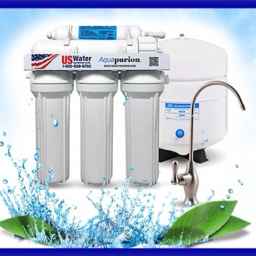

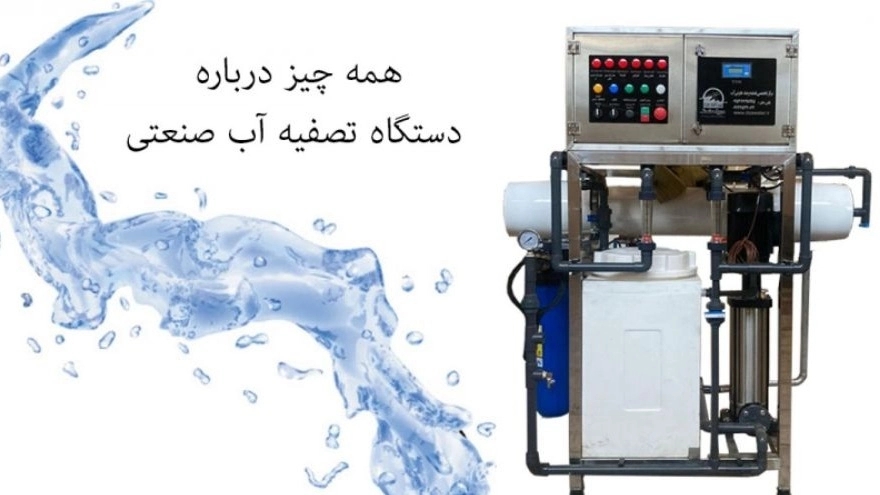
The industrial water purifier is one of the great innovations in the world of industry, which plays a vital role in improving the quality and safety of water. Using complex and multi-step processes, these devices remove all contaminants and solid particles from water, including chemical contaminants, bacteria and viruses. This advanced technology helps to develop and use suitable and sustainable water sources and reduce water wastage.
Types of industrial water purifiers
There are different types of industrial water purification devices that design and operate based on the needs and changing environmental conditions. Below we will mention some common types of industrial water purification devices: Mechanical filtration: These types of devices use different filters and membranes to remove suspended particles and larger objects from the filter holes. These devices are usually used in the initial stages of water purification. Reverse osmosis: In this type of devices, membranes installed in reverse osmosis are used to remove various types of pollutants from water. This process is especially effective for removing mineral salts and organic matter. Deionization: These devices use ion exchange methods to remove mineral ions from water. Water after deionization is mostly free of mineral salts and is suitable for industries that need very clean water. Advanced Oxidation: These types of devices use chemical processes such as oxidation by adding oxidants to water to remove organic matter and microbes. Nanofiltration: In this method, nanometer membranes are used to remove much smaller particles and organic substances from water. This process is very useful to purify water for uses such as drinking water and precision industries. Also, industrial water treatment plants may use a combination of these processes to improve water quality. Choosing the right type of purifier
Steps of industrial water purifier
The steps of an industrial water purifier can generally include several main steps, each step is used to remove a specific type of pollutants and improve water quality. Below we will mention the main steps of an industrial water purifier: Water entry stage: In this stage, the water entering the device enters the device by means of a pump. This water may contain suspended particles and various pollutants. Pre-treatment stage: In this stage, suspended particles and larger solids in the water are removed using filters and separation systems. This process helps purify water from dust particles and foreign objects. Primary purification stage: In this stage, methods such as mechanical filtration and chemical processes are used to remove smaller suspended particles, organic matter, and some inorganic solutes. Main Treatment Stage: In this stage, more advanced processes such as reverse osmosis, nanofiltration, deionization, and advanced oxidation are used to remove microbes, ions, and other contaminants from water. Post-treatment stage: In this stage, the treated water is removed from the device and, if necessary, additional stages are treated to increase the final quality. This can include adding beneficial minerals (such as calcium and magnesium) to water to improve water quality for specific uses. Discharge stage: After the final treatment, the water is allocated to the distribution network or the final consumer. In some cases, the treated water is discharged into the environment, which should be environmentally friendly. Also, different industrial water purification devices may have additional steps and processes, according to the type of pollutants and the specific needs of each user.
Price of Industrial Water Purifier
The price of an industrial water purifier is usually very variable and depends on several factors. These factors include machine capacity, type of treatment processes used, quality of materials and equipment, and specific industry or user requirements. More precisely, the following factors influence the price of an industrial water purifier: Capacity of the device: The capacity of industrial water treatment means the amount of water that the device can treat on a daily or hourly basis. Larger capacity devices usually cost more. Type of purification process: The type of purification processes used in the device has a great influence on the price. Advanced processes such as reverse osmosis and nanofiltration may cost more. Quality of materials and equipment: Using high quality materials and equipment can increase the cost of the device. Low-quality materials may be made from a cheaper machine, but in the long run they may lead to technical and maintenance problems. Specific requirements of the industry or user: Some industries require specific purification devices that must be custom designed and adjusted. These types of devices usually have a higher price. Installation and maintenance cost: The installation and maintenance cost of the water purifier should also be considered in the price calculation. The cost of ongoing maintenance and possible repairs also affects the decision to buy an industrial water purifier.