

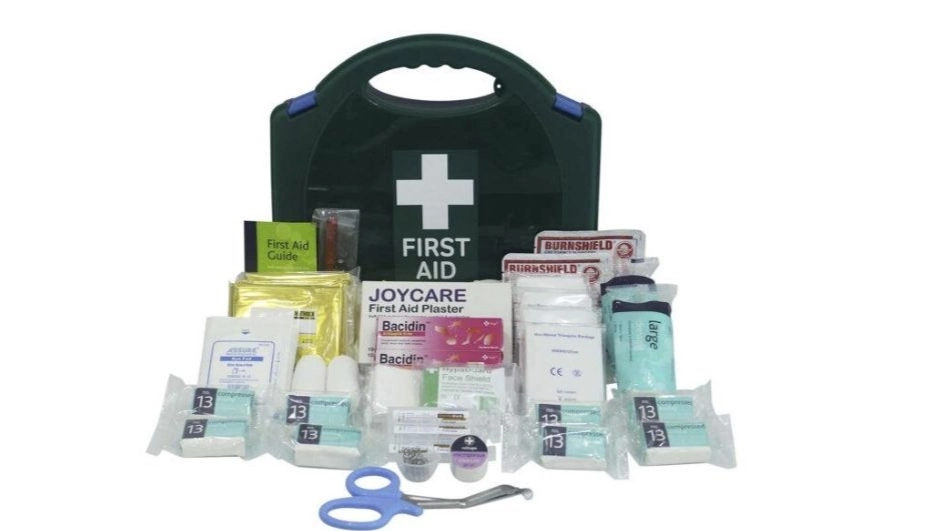
Exercise is an essential part of maintaining the health and fitness of our society. The government recommends that adults get 75 minutes of physical activity per week and children (ages 5-18) get 60 minutes of physical activity per day. Participating in sports not only helps to achieve these goals, but can also have a very positive effect on mental health. First aid training to be ready for sports. Sports clubs and associations are likely to already have such regulations in place after completing detailed risk assessments. However, it is often sports that are organized casually
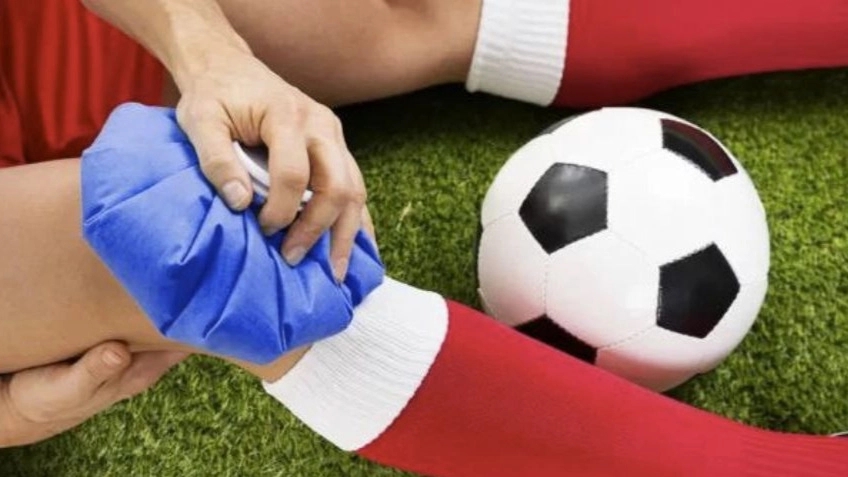
We all know the health benefits of exercise, but what do we do when things don't go as planned and injuries occur? We are looking for a first aid kit! There is often little time to think, so a well-organized and readily available first aid kit is essential to reduce downtime and aid in speedy recovery. A common question among sports doctors, coaches and first aiders is what do I need in a first aid kit? Whether it's a scrape, sprain, or tear, it's best to be prepared, plus having the right equipment is vital for the various sports injuries that can occur. So with that in mind, we've put together this handy guide full of first aid kit information and advice. Let's start with the types of first aid kits available. This may seem obvious, but when we dig deeper, you'll see that there are a few variations: Personal First Aid Kit – For those who need little or no first aid experience. Essential First Aid Kit – For those managing a small team. None of the products in this kit require formal first aid training.
No sports team or competition should be without a first aid kit designed to treat the most common injuries and illnesses you may encounter.
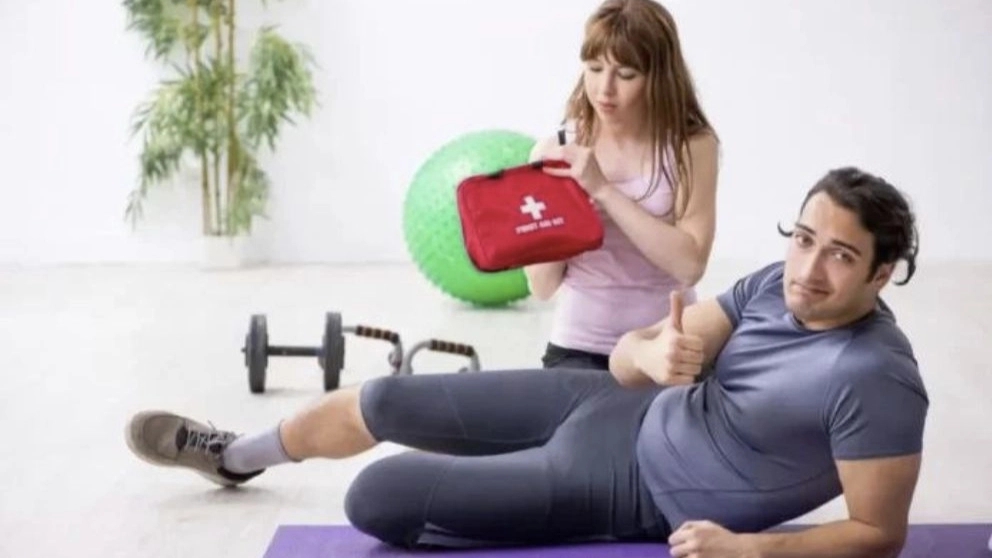
What are the essentials of a first aid kit?
So now you know what types of kits there are, let's talk about what's in them. A first aid kit should cover most common sports injuries, so we've compiled a list of recommendations for you. Essentials include
disposable gloves
hard cutting scissors
sterile wet wipes
sterile wound dressing
EAB/coherent bandage
ice packs
warm packs /cold
eye wash
candle/nose sponge
heat/freeze spray
triangular bandage
foil blanket
Naturally, you may want to make adjustments depending on the sport you're playing. For example, a boxing first aid kit might have more nasal sponges, eye washes, and sterile wipes, while a rugby first aid kit might have more bandages, ice packs, and bandages. We also recommend the following tips for keeping your first aid kit organized so you're always ready in any situation
Organize it well so you know exactly where everything is when time is of the essence
Amount Save the real one. Too much inventory leads to products becoming outdated and wasted, while under-stocking means you're not ready on all important race days
Check regularly to ensure all products are healthy and up-to-date Do
Check the expiry date when using the first aid kit to ensure it is up to date
Only store approved products of good quality, anything else may be harmful to the injury
Ensure ready access: First aid supplies should be placed where they are easily accessible and clearly marked to allow quick identification.