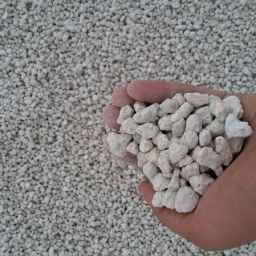

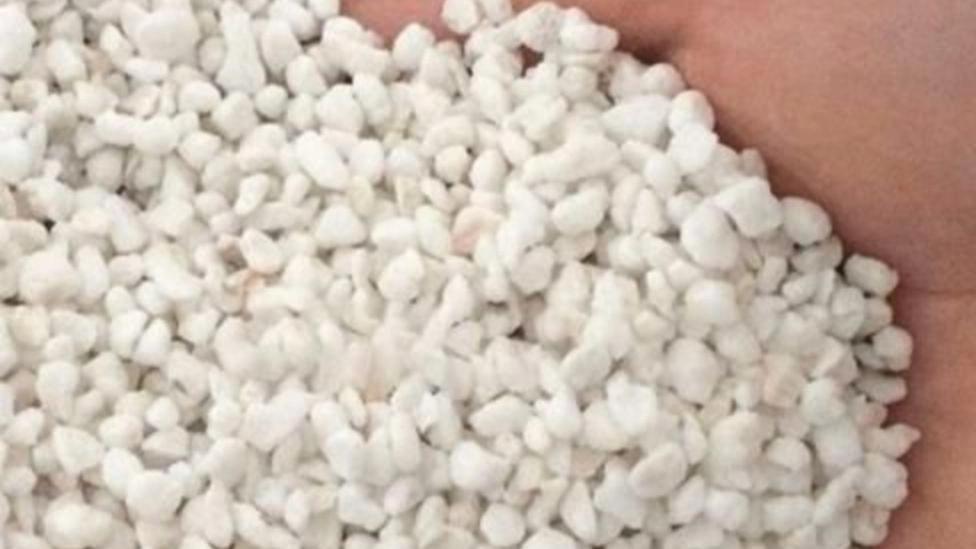
Perlite pumice is actually the same mineral as perlite with all kinds of pumice after heating. Perlite is a type of siliceous volcanic rock with a rhyolite composition that has trapped water and is found naturally. Their natural formation is from lava emitted from volcanoes and their cooling.
Because the cooling of these lavas takes place quickly, the water vapors are trapped inside the rock and the whole rock gets a glass-like structure. This stone has pearl polish and they chose the equivalent name of pearl stone for it. Because concentric spherical cracks can be seen inside its natural samples. Perlite is widely used in industries such as construction and agriculture.
Properties of the Perlite Shell
In general, in the economic and commercial definition for pearlite pumice, it can be said that any glass stone is expanded to a temperature of 860 to **** degrees Celsius. In this situation, the specific weight of perlite pumice is reduced. The elements in perlite contribute to its ability to expand.
At this temperature, the moisture inside the glass will turn into steam and the expansion of the stone will be 7 to 16 times its original volume. In this case, the dense stone becomes a light and white product and is known in the world as perlite granules. With rapid heating of perlite, its silicate structure softens, and with the evaporation of its water, it swells and there is a possibility of bursting.