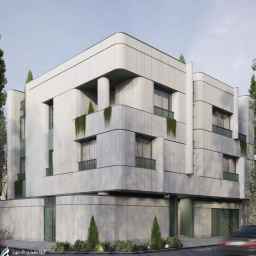

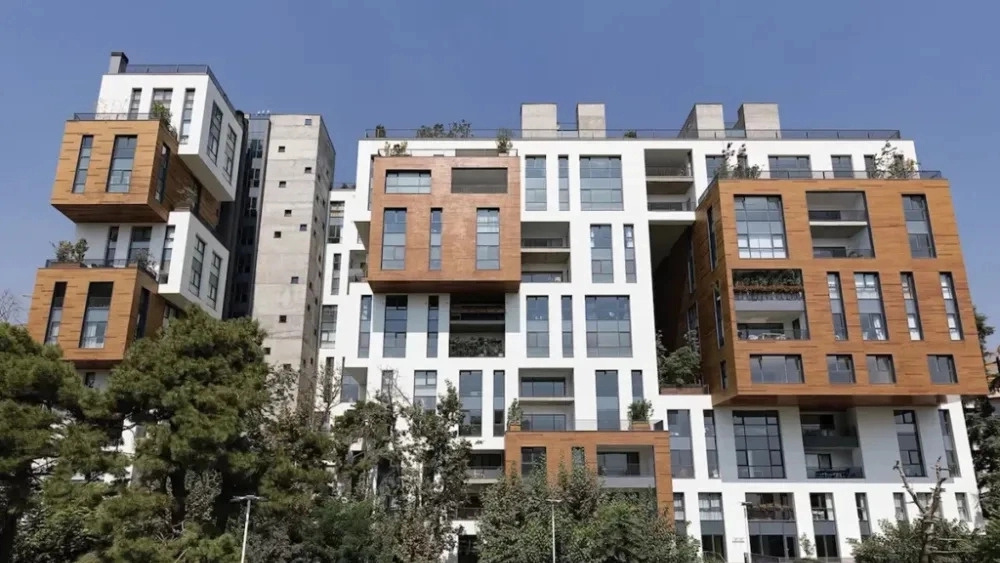
The main purpose of facade design in architecture is to improve the external appearance of the building and its connection with the surrounding environment. In fact, the exterior of the building is one of the important and visible components of the building, which has a significant impact on the real experience and people's perceptions of the building.
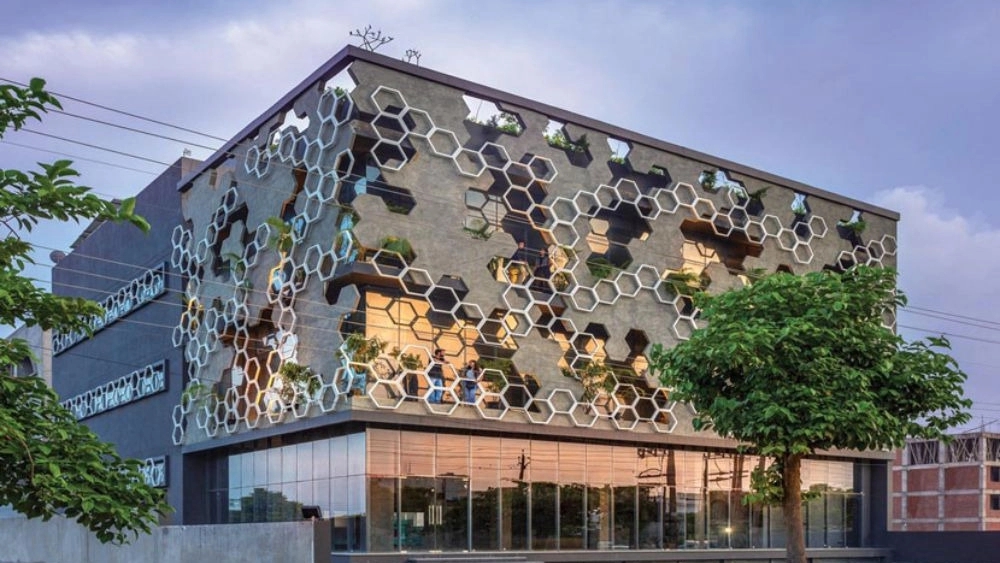
Interior and outside the building through the facade
The exterior of the building plays a very important role in the communication and interaction between the interior and exterior of the building and can bring the two closer together through reflection, connection and influence on the interior and exterior of the building. In the following, we examine how the facade of the building affects the relationship between the inside and outside of the building:
Light reflection and beauty effects:
The facade of the building can reflect the sunlight into the building and help for the natural lighting of the interior spaces of the building. This light reflection can have a direct effect on the interior color and brightness of the spaces and increase the feeling of brightness and inner freshness.
Establishing connection and interaction with the external environment:
The facades of the building by creating connection and interaction with the external environment, can convey a proportional sense of the external spaces to the inside of the building. This connection can be created through the use of windows, terraces, balconies and side views that allow users to be in contact with the outside environment and enjoy the outside views.
Psychological effects and coherence:
The design and appropriate coloring of the facade of the building can help to create a sense of coherence and harmony in the interior spaces. Using design patterns, textures, and colors that match each other can help create a homogeneous and balanced interior space.
Energy effects:
The facade of the building can have a direct effect on the amount of energy consumed inside the building. The use of reflective facades, vertical and horizontal canopies, building materials with suitable insulation properties, the use of solar systems, the use of intelligent systems, the use of vegetation, the ratio of light-transmitting surfaces to the total surfaces, double-skin facades, etc. can reduce the amount of consumption. reduce energy for cooling and heating spaces and save energy.
According to the above, it can be concluded that the facade of the building directly and indirectly has many effects on the quality of the interior space of the building and can help to improve the quality and comfort of life inside the interior spaces. And it should not be considered as a separate external covering for the building, and the design of the facade should also be taken into consideration from the beginning of the design stages and at the same time as the design of the plan and the overall volume.