
Polyurethane insulation features include the following:
Has a low heat transfer coefficient Resistant to erosion and corrosion Resistant to moisture, acid and solvents Water barrier Non-emission of gas and harmful substances Can be used in a wide range of temperatures Antibacterial and resistant to microbial, fungal and biological contamination Excellent and stable thermal performance Low weight polyurethane insulation Resistant to sudden temperature changes Ability to change density (from 30 to 1000 kg/m3) Very suitable for industrial use types of polyurethane insulation
The following types of polyurethane insulation can be mentioned:
Polyurethane insulation in block and board form
Polyurethane insulation in the form of prefabricated pipes
Injection polyurethane insulation
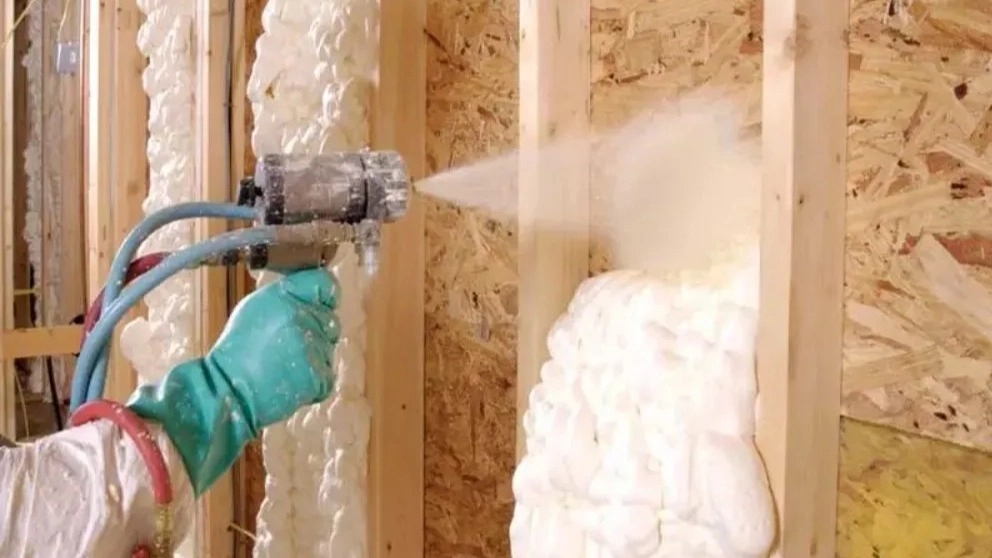
Polyurethane spray insulation
All kinds of hot and cold mastics
Use of polyurethane insulation
Benefits of polyurethane insulationAmong the advantages of urethane insulation compared to other insulations, the following can be mentioned: Low cost compared to elastomeric insulators and compact crosslinks They can be recycled and reused in insulation Very high execution speed Suitable cover for blind spots to prevent energy loss Can be injected and molded and executed, for insulating complex, bulky or inaccessible shapes
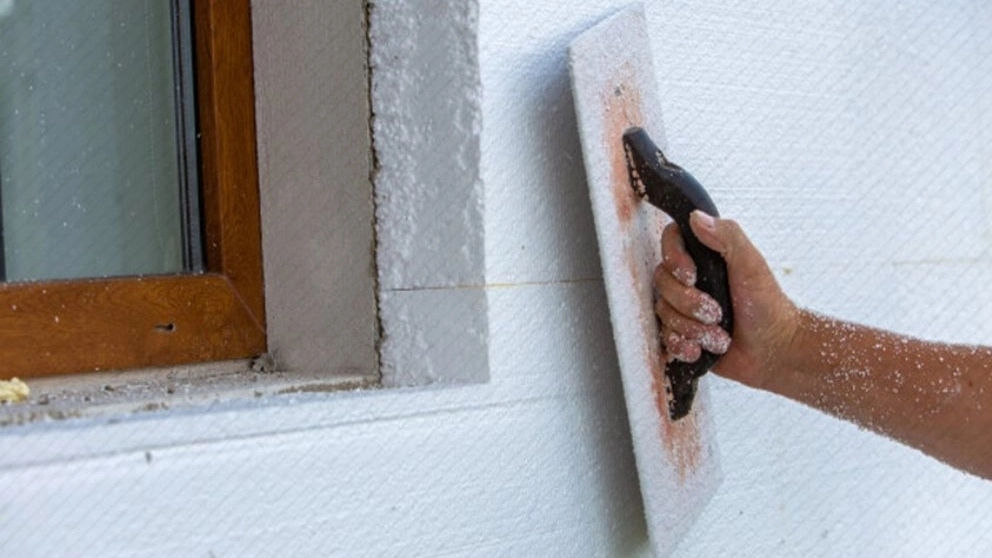
How to implement urethane insulation The method of applying urethane insulation is that different devices are used for spraying according to the size. The suitable thickness for insulating the roof and walls of buildings is 2.5 to 3 cm. Spraying materials with mechanical and electrical devices and compressors. When spraying, you should be careful about the composition of the ingredients before spraying and strictly follow the safety tips. The resulting thickness is directly proportional to the spraying time.