What is a power protector?
Electric protector is a device that is used to protect electrical devices against voltage increase. The main function of the electrical protector is to absorb excess voltage and dissipate it as heat. This will help protect your electronic devices from damage from overvoltage. The protector is usually in the form of a multiway that contains an additional electrical component called a "metal oxide varistor" that is responsible for absorbing the excess voltage. When you connect your device to a surge protector, it's just like connecting it to a multiplexer, except you get more benefits than a simple multiplexer. A surge protector can be installed to power the whole house. This will protect your entire home electrical equipment from voltage surges. This type of surge protector costs more than a portable surge protector and requires a qualified professional to install it. The surge protector may fail over time. If the voltage increases repeatedly, the components that convert the excess voltage into heat will be damaged, so the efficiency of the surge protector will decrease.
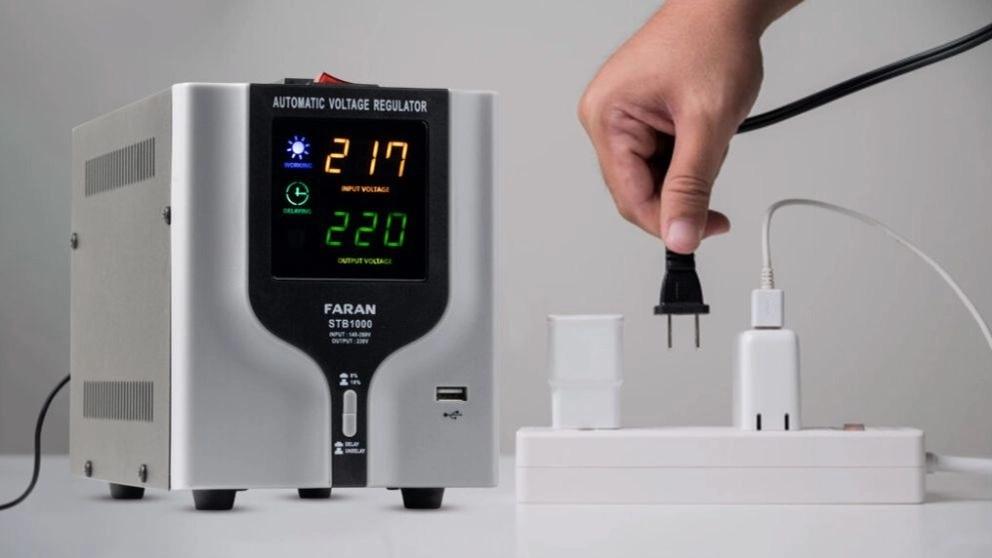
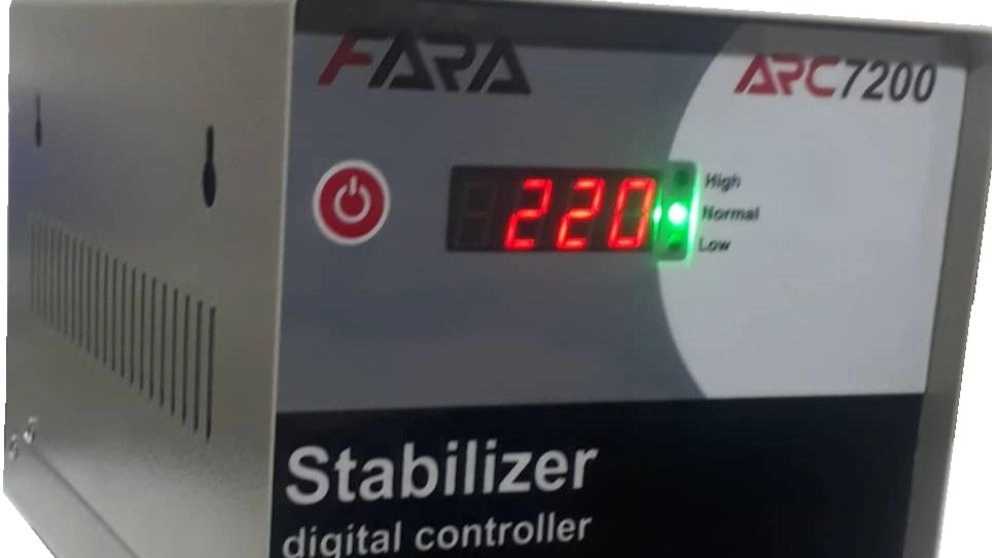
What is a stabilizer or voltage stabilizer?
What is the difference between stabilizer and electrical protector?
The main difference between the stabilizer and the electrical protector is that the stabilizer is designed to maintain the voltage level at a constant level, while the electrical protector is designed to protect electrical devices against voltage surges. Another difference between the two is that a voltage stabilizer allows the voltage to rise and fall to a certain point and then reach your device, while a surge protector only protects the equipment from sudden voltage spikes. In addition, voltage stabilizers are more durable than surge protectors. The electrical protection components may degrade over time depending on the frequency of current surges, while the voltage stabilizer will not lose its protective properties over time.
Which one should you choose? Power protector or stabilizer?
This is a difficult question to answer because it depends on your own needs. If you need a device that depends on maintaining a constant voltage level, you should use a voltage stabilizer. However, if you're looking to protect against sudden surges, just using a good surge protector will do the trick. The guide we provided on the difference between stabilizer and electric protector will help you to choose the best option. If your power supply is associated with frequent fluctuations, it makes sense to use a stabilizer instead of a power protector. TBM Industrial Group helps you to buy the voltage stabilizer you need with excellent quality. If you are using a portable power generator, use a model with an inverter feature, as these models have almost no oscillation and are more energy efficient. If your home power supply is stable enough, you can safely use a surge protector for your most expensive electronics or power tools. For most households, a portable surge protector is sufficient.
Conclusion
In this article, we discussed the difference between stabilizer and electric protector. In short, the stabilizer stabilizes the voltage precisely within a certain limit, but the surge protector only prevents damage to the equipment when the voltage suddenly increases. This device converts excess energy into heat so as not to damage the device. However, it gradually wears out and disappears. This is while the voltage stabilizer has a longer life and at the same time its price is higher. This device is usually purchased for expensive devices. Thank you for being with us in the article on the difference between stabilizer and electric protector.