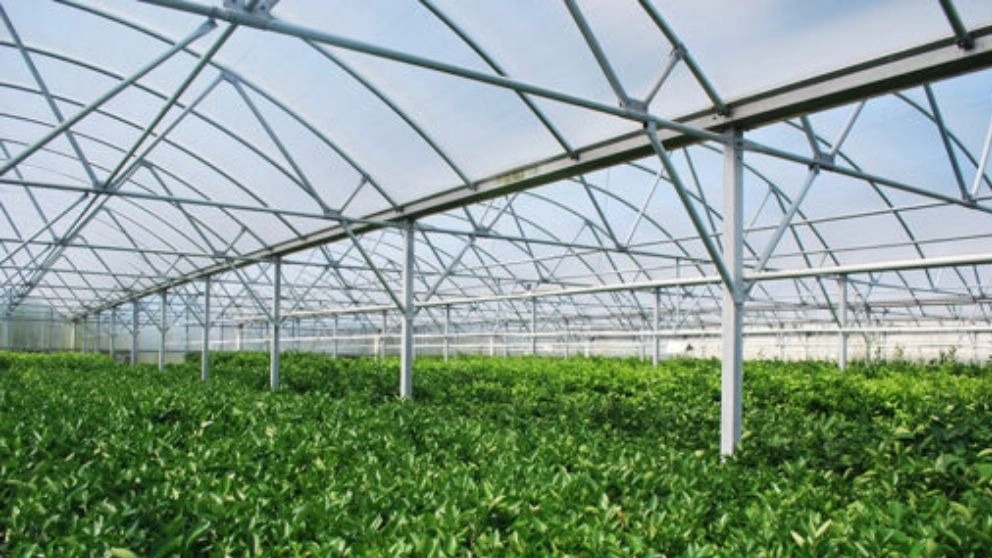
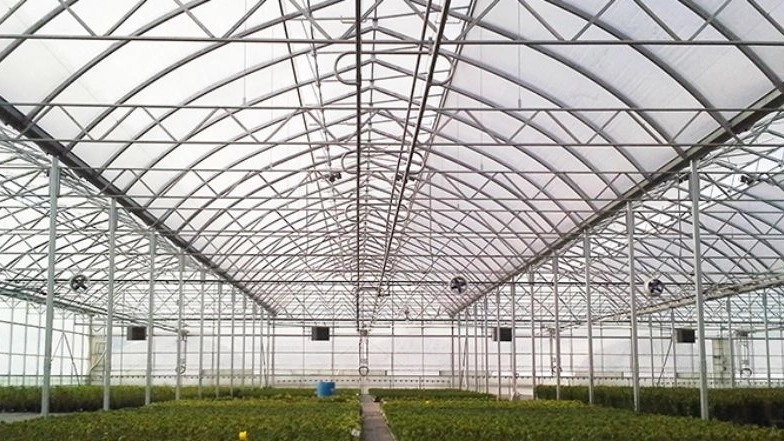
Greenhouse farming can be done using several types of structures, depending on the purpose and needs of the farming operation. They differ depending on the system, the materials used to cover them and the manufacturing technique. A simple greenhouse structure can be built at relatively low cost and helps small and novice farmers and smallholder farms in developing countries to extend the growing season and produce more food. On the other hand, there are high-tech controlled greenhouse structures that are replicated and managed at multiple locations using farm management software. Commercial greenhouses cost millions of dollars and are usually installed with advanced management systems including heat and humidity control, lighting, drip irrigation and fertilization, misting systems, and automatic benching systems for moving potted plants.
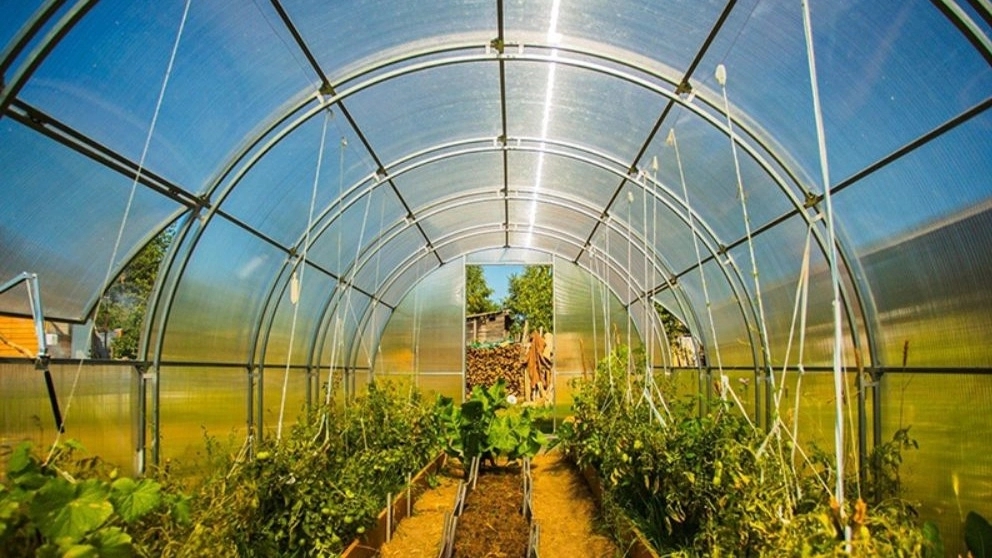
poly tunnels
Ring houses, also known as polytunnels, are greenhouse structures built on a ring. The ring frame can be made of any suitable material. Bamboo is traditionally used in hoop houses built in areas of the world where bamboo grows in abundance. PVC pipes or metal pipes are also commonly used.
Because of the hoop frame, hoop houses must be covered with a flexible material, usually a 6mm polyethylene plastic that resists UV degradation. Plastic will eventually need to be replaced, although it may last for years.
Read the dos and don'ts of planting broccoli in the greenhouse in Fardin Kasht.
Hoop houses are relatively inexpensive to build and can be designed as temporary greenhouse structures, seasonal or even portable. Many hoop houses are built so that the side walls can be lowered and raised, which allows natural airflow to lower temperatures and reduce humidity. Due to their low cost, flexibility and ease of construction, hoop houses are popular structures for lower budget and simpler management purposes. However, ring structures can be adapted with high-tech innovations, such as sophisticated HVAC systems, irrigation and nutrient management, to meet the needs of the commercial enterprise.
Shade structures and screen houses
A shaded greenhouse structure is used to cool the temperature and limit the sunlight that the crop receives. Shade structures are useful for fast-growing vegetables, such as lettuce, sensitive to hot weather.
Greenhouse structure Shade structures are covered with woven material that blocks sunlight. Since this material does not tear like plastic, it can be made on hoop frames or frames with more angular edges. In some cases, greenhouse operators cover the existing greenhouse structure with shade cloth. As a result, they convert their greenhouse from an area that absorbs sunlight to raise temperatures in cold weather to one that shades sunlight and lowers temperatures in hot weather. Shaded greenhouse structures are also useful in small farms, as they protect livestock such as chickens and turkeys from heat waves. Screen houses follow the same concept as shadow houses. Only they are covered with a tightly woven mesh screen designed to keep out pests. Screen houses are useful in areas with serious pest problems or with high value crops prone to pest pressure.