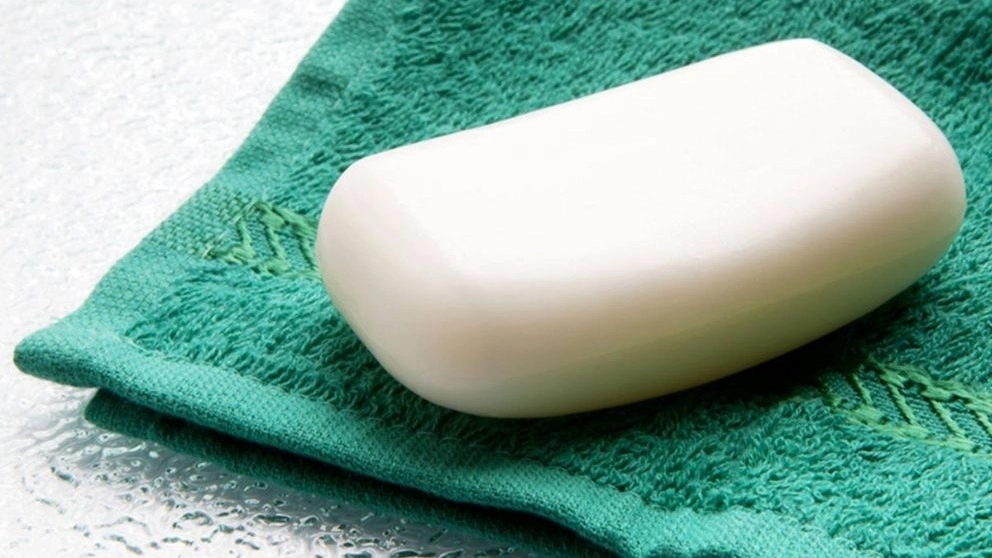




Natural soap (Natural Soap)
synthetic soap (synthetic soap)
Synthetic soaps, which are actually considered detergents, are made from saponified fatty acids and surfactants or a combination of both.
One of the major differences between natural and industrial soap is the production method and their components.
natural soap that is mainly produced by hand using hot and cold methods; Manufacturers use oils and fats mainly olive oil, coconut oil, cocoa butter, etc. whose main ingredient is triglyceride. Triglyceride is made of fatty acids and glycerol, therefore, when it is mixed with alkali, fatty acids are converted into alkaline salts of fatty acids, which are soap agents, and glycerol is converted into glycerin, which is a wonderful natural humectant or moisturizer. becomes; You should be careful that in natural soap, all ingredients remain in the product, so the final product is a combination of soapy agents, glycerin and natural ingredients related to used oils.
But in the industry, either triglyceride is not used (pure fatty acids are used) or if triglyceride is used, glycerin is produced, which is a valuable and expensive substance in the cosmetics and health industry as a by-product in the market. Supplied.
Also, if you pay attention to the label of market soaps, you will come across words like sodium lauryl sulfate (SLS) and sodium lauryl ether sulfate (SLES) in the raw materials section. These are surfactants that are added to the products to increase cleanliness and lather. And next to these detergents, saponified fatty acids such as sodium palmate, sodium stearate, etc., which are saponified agents, can also be seen, which is their soapy component.
In fact, for the part of the product that has a cleaning function, the manufacturers do not only use soapy substances, but surfactants, which often cause skin sensitivity and irritation, are also used. On the other hand, some surfactants contain a substance called dioxane, which is known to be a carcinogen, which is created in them during the production process; Of course, the standard dose is observed in the products, but it is still present in the product. Therefore, the final product is a set of surfactants and soap agents that do not contain glycerin and create a high detergent, which usually causes dryness, skin irritations, itching and inflammation. But natural soap does not contain surfactant, and on the other hand, due to the presence of a high percentage of glycerin and a certain percentage of extra fat (superfat) that remains in the soap during production, depending on the manufacturer's taste, in addition to proper washing, it will prevent dryness and skin sensitivity