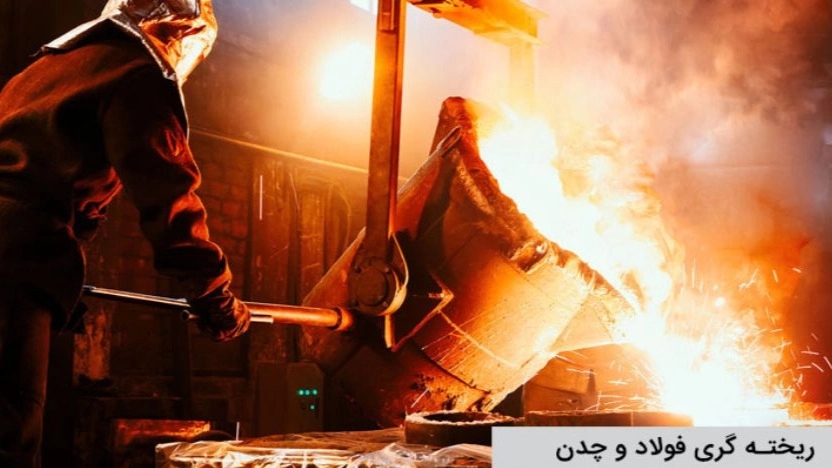
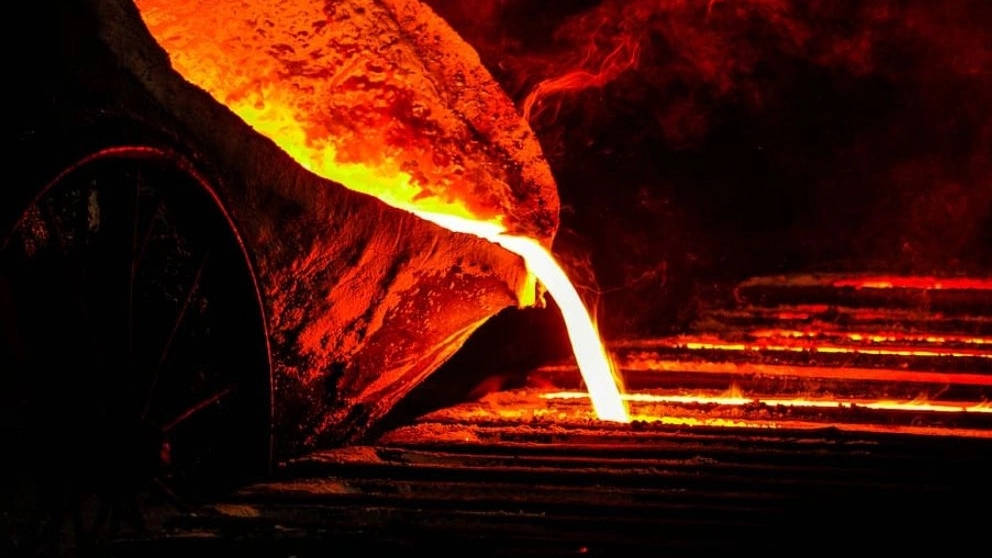


Casting is the best way to shape metals. In this method, metals are melted and poured into the mold. Finally, the molten material is formed into a mold after cooling. In general, steel and cast iron casting is known as the oldest method of making various parts. Casting is done in different ways. These methods have many similarities and differences with each other.
Important Tips for Steel & Cast Casting
According to the differences between steel and cast iron, their casting methods are also different from each other. Among the most important points that must be observed in the foundry of heavy steel and cast iron parts, the following can be mentioned: Compared to iron
3. The low fluidity of steel compared to cast iron
Note that the shrinkage rate in cast iron is about 1% and in steel is about 2%. Paying attention to the amount of shrinkage when ordering steel and cast iron castings is very important because it directly affects the modeling of parts. Failure to pay attention to the amount of shrinkage causes dimensional problems after the part cools down
types of steel and cast iron casting methods
Casting can be used to produce all kinds of metal parts. Steel casting and cast iron casting have unique characteristics. Steel casting is done on different grades of steel. This method of casting has many uses because steel has more resistance than iron and cast iron.
One of the most important features of cast iron is its resistance to decay and corrosion, high ductility and anti-vibration properties. Cast iron is used to make moving parts. Sand molds and foam molds are used in cast iron casting. The widespread use of cast iron in various industries is due to the lack of restrictions on the dimensions, appearance and thickness of the parts.