

One of the most important concerns of livestock farmers is providing suitable feed for livestock. Today, animal feed exists in different forms and even for feeding animals, various methods have been designed.
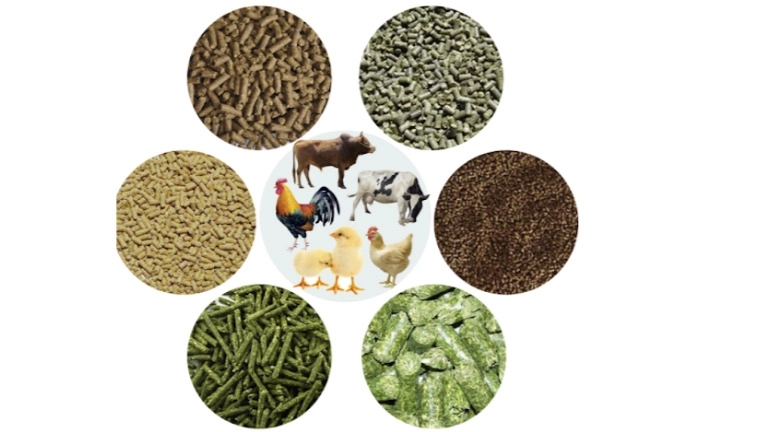
One of the most important tasks in keeping livestock is to prepare suitable feed for them. In general, animal feed can be divided into three main categories: concentrate, fodder and mixed feed.
Concentrates include feeds rich in energy and protein, but low in fiber, such as soybean meal, grains, cane molasses, etc. In contrast, forages include plant foods that are high in fiber but low in digestive nutrients. Straw, silage, hay, root crops, etc., are the most common foods found in this category. Finally, you will find the best elements of concentrates and forages in mixed feed. Mixed feed is a high quality animal feed that includes raw additives and vitamin, protein and mineral supplements.
Concentrates
Concentrates are a type of high-quality animal feed that contains nutrients such as protein, vitamins and other rare minerals; But they have little fiber. This type of feed is an easily digestible feed that helps to increase growth and improve health in livestock.
Some of the most common types of concentrate feed are:
Grains
Cereal grains such as wheat bran, oats and corn are excellent food supplements for different livestock diets. These grains are given to animals whole or ground, separately or mixed with different meals. If protein supplements or other food ingredients are added to this feed, they will increase the quality of the feed.
The use of grain is a food supplement rich in carbohydrates and protein, which provides a lot of energy for livestock and ruminants in general. does.
High protein meals
Plant seeds that are mainly produced as a source of oil for human food and industrial use include soybean, peanut, linseed, rapeseed, cottonseed, coconut, palm oil, and sunflower seed. After these seeds are processed, their residues, which may contain 5 to less than 1 percent fat and 20 to 50 percent protein, are marketed as animal feed. Cotton seeds and peanuts have hulls that are usually removed before processing. If the shell is left intact, the resulting by-product is higher in fiber and lower in protein.
The protein quality of these meals for monogastrics varies greatly depending on the level and availability of amino acids present. Ruminants generally only need protein or nitrogen sources for ruminal bacteria to synthesize amino acids.
Sugar beet and cane by side products
Sugar beet and molasses are excellent sources of carbohydrates that are popular feed for beef cattle and sheep. These types of feeds do not have a high price and are high-quality by-products produced from the sugar industry as animal feed.
Other side foods
Fodder
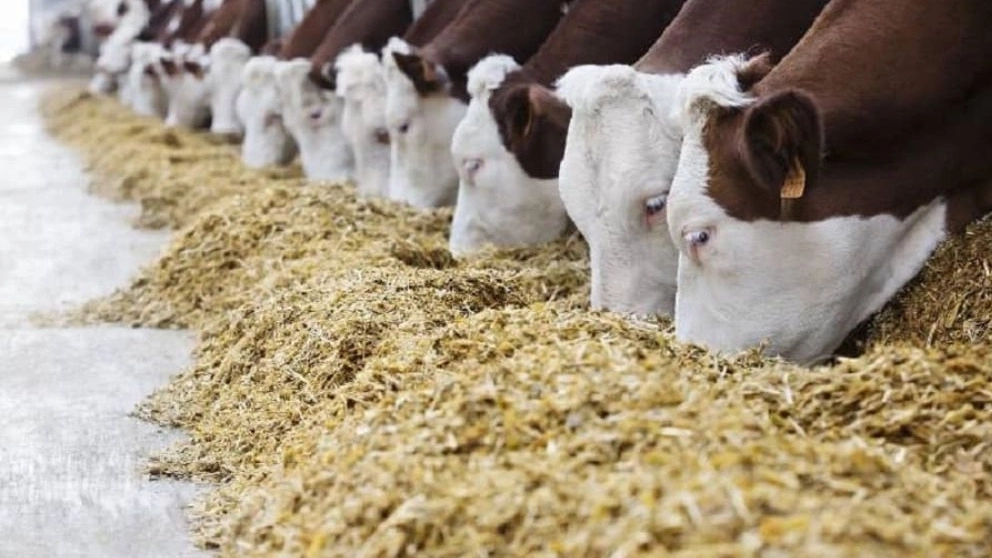
Fodder is a kind of animal feed that has enriched fiber. This feed contains fodder products, stems and other plant parts that have different nutritional values for livestock. For livestock feed, there are various fodder available, some of which are given below.
Pasture grasses
Pasture grasses and legumes, both auto and cultivated, are the most important source of nutrition for ruminants such as cattle, horses, sheep and goats. These grasses are cultivated or spontaneous plants, and grazing animals can consume hundreds of tons of these different grasses and shrubs as forage.
During the growing season, Pasture plants provide a stable source of food for animals. They are a cheaper option for harvesting, processing and transportation than other feeds.
Alfalfa
Alfalfa is a type of plant that provides various nutrients to your animal. The proteins in alfalfa help strengthen animal tissue, while its carbohydrates provide the energy needed by livestock. Alfalfa serves as the primary food source for many animals in livestock such as cattle and sheep. In addition, animals can enjoy a variety of food combinations as a meal if hay is combined with other foods.
Silo
Silo is the packaging of immature plants in a sealed container for fermentation to produce acetic and lactic acids that make wet feed. they keep The initial moisture concentration of fodder should be between 50 and 70%, depending on the species stored. Silage can be stored for longer with less nutrient loss than dry hay. The nutritional value of silage depends on the type of silage and the success of this operation.