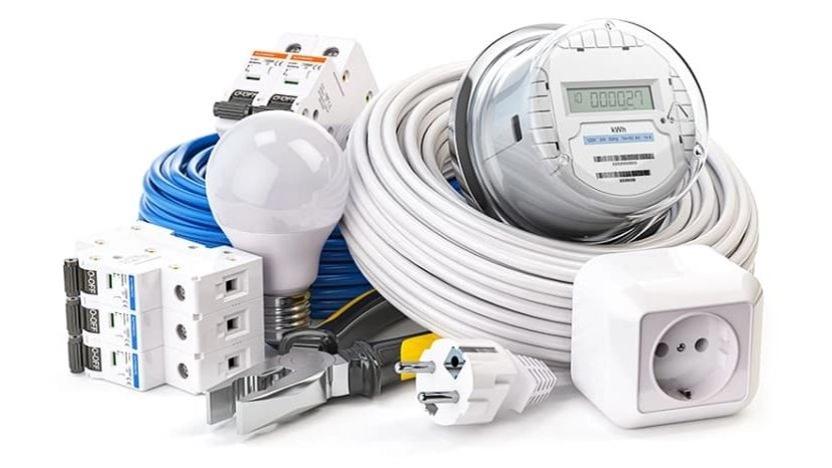
Plugs are used to connect household or industrial electrical appliances to the electrical energy source. The outlet consists of a rubber, plastic or bakelite enclosure and two slotted tubes that have metallic properties and are connected to two screws. In the outlet, the phase and neutral wires are each connected to one of these screws. Grounded sockets have three screws for connecting the wire, the ground wire is connected to the third screw, which is usually marked. The nominal voltage of electrical equipment such as switches and sockets, etc. must be in harmony with the nominal voltage of the electrical system.
Plug and how it is connected to the circuit
In terms of the number of phases, the outlet is divided into two groups, single-phase and three-phase, and in terms of the installation method, it is divided into built-in, surface-mounted and mobile types. In terms of protection, sockets can be divided into two simple types with ground connection (shock, earthed, with protective contact). Sockets with ground connection are used to connect the body of mobile electrical appliances such as refrigerators, washing machines, irons and the like to the ground and prevent people from getting electrocuted.
The socket must be made in such a way that before connecting the wires feeding the device to the socket, the body of the device is connected to the grounding blade of the socket and when disconnecting the device, the wires feeding the device should be disconnected from the socket first and after Disconnect the body of the device from the ground connection blade. There is another division for sockets based on the degree of protection against moisture, and based on that, sockets are divided into three main types: normal sockets, sockets protected against water leakage with IP44 degree of protection and sockets protected in against splashing water with pressure, with IP45 degree of protection, although depending on the need and place of use, sockets with a higher degree of protection may also be made.
In the electrical wiring of a residential building, a separate branch should be used to feed the kitchen sockets, also high-use appliances such as washing machines, electric ovens, air conditioners and the like should have separate branches and their own fuses. A 16-amp miniature switch is usually used to protect the branching of sockets in single-phase electricity. In residential, commercial and office places, the place of installation of electrical sockets, telephone sockets and central TV antenna sockets should be 30 cm away from the finished floor of the building. Electrical outlets installed in the kitchen, engine room, repair shop and garage must be 110 cm away from the finished floor. In order to connect electrical consumers to the outlet, two plugs are used, which are available in simple and earthed form.
Divide box
In electric circuits, branches are taken from current carrying wires in the distribution box. The distribution box is made in different dimensions as a surface and built-in with plastic, cast iron and metal materials. The installation location of the distribution box must be at least 2.5 meters from the finished floor or 30 cm from the simple ceiling, and the cables must be entered into the distribution box using various types of glands.
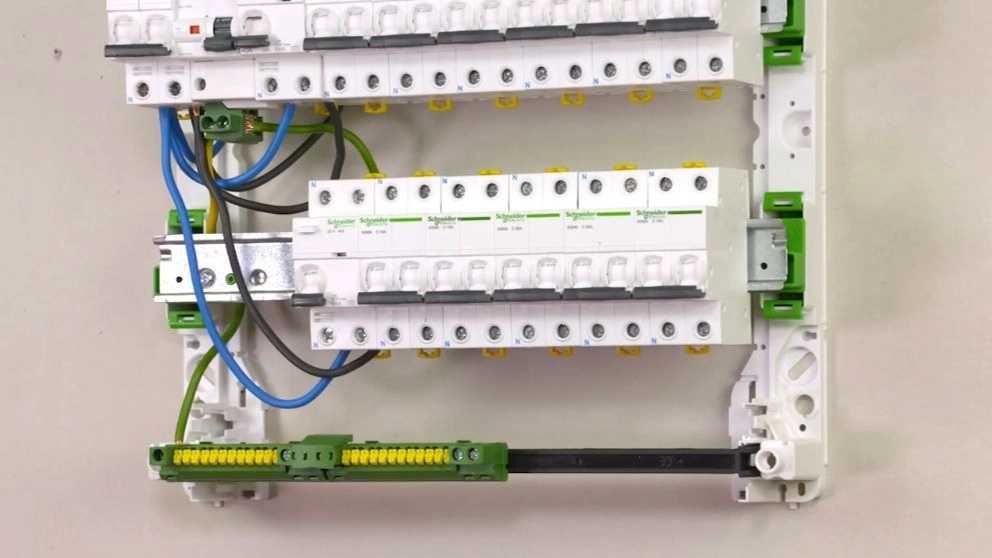
Automatic Key Types
In the electrical panel of the building, according to the needs of consumers, types of automatic switches such as miniature switches and compact switches are used to protect the circuit, and thermal and magnetic switches such as non-metal and contactors are used to prevent overload current and control and command the circuit. It is used in building electrical panels.