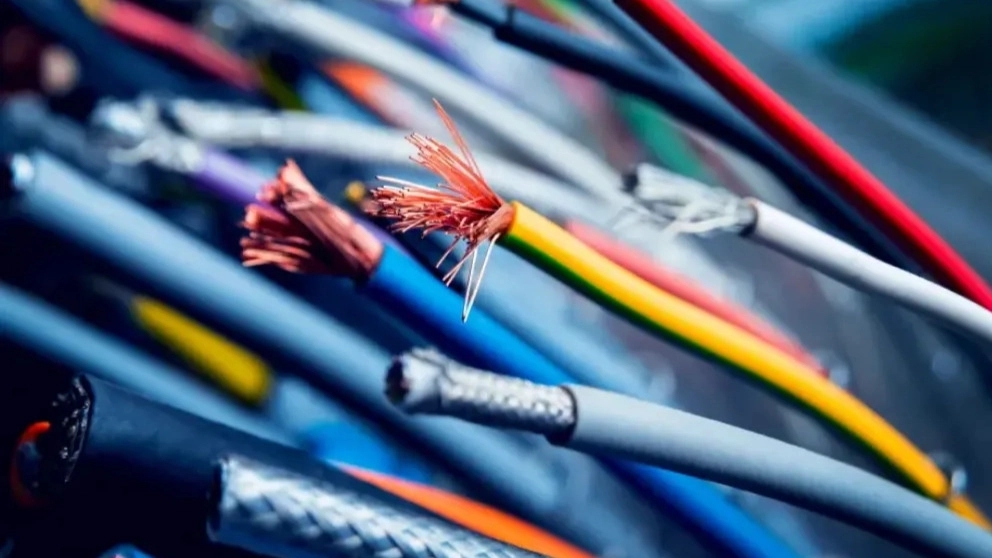
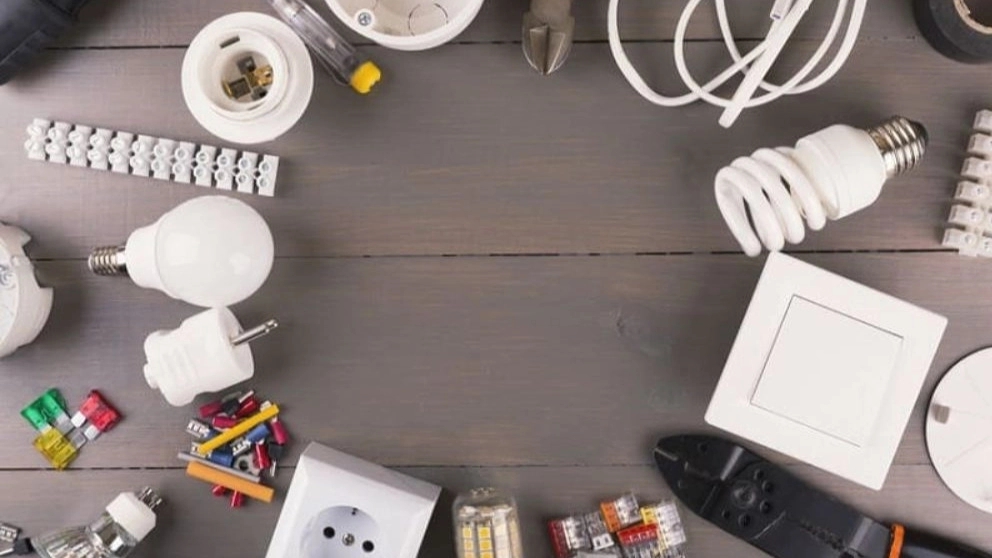

Wires and cables are essential equipment for transmitting electrical current and data in various industries and the telecommunications sector;
Cable
Wire is a conductive material and a conductor of electric current; But the cable is defined as a group of conductors or wires insulated and separated from each other, which are placed in a cover. Coating is a type of non-conductive material to protect the conductive part of wire and cable. Wires can be made of highly conductive metals such as copper, aluminum or gold; But they still have electrical resistance. The resistance of each wire is different according to the type of metal used in it, as well as its thickness and length. A thick wire has less resistance than a thin wire made of the same material. Also, the resistance of the wire changes according to the temperature or the length of the wire. When choosing the wire size, you should pay attention to the wire gauge, wire capacity and the type of wire application. For example, wires with very small dimensions pass a lot of electric current, and as a result, the wire loses more power in watts; Because it has high resistance.
A cable is a set of insulated wires wrapped in a sheath. Usually, each cable has at least one hot wire or hot wire to carry the current, a neutral wire and a ground wire. The cable is divided based on the number of wires in it and the size or gauge.
Types and applications of wires
Wires used in electrical wiring are divided into types of main feeder wire, panel feeder wire, non-metallic insulated wire, triplex wire and single-conductor wire or single-stranded wire. Before you learn the tricks of building wiring, you need to familiarize yourself with the types and uses of wire.
The main feeder wire transmits the current from the beam on the roof to the building.
Panel feeder wire to feed the junction box. Main and circuit breaker panels are used.
Non-metallic insulated wire has 2 to 3 conductors, each of which has plastic insulation and a neutral. These wires are suitable for internal wiring.
The triplex service drop wire consists of two insulated aluminum wires for the phase, which is placed in a third bare wire for the neutral.
Types of single-conductor or single-stranded wire are divided into two main groups: dry wire or stranded wire and braided wire. Dry or thick wire is hard and brittle and is a better conductor for electricity. The wire is made up of smaller wires that are woven together.
Semi-wires are a type of stranded wire but with more flexibility, which are used for wiring inside the building.
Jumper wire is a type of flexible and pre-cut wire with different lengths, which has a stiffer end than the wire. Easily connect the pins between two pins on the board
Types and applications of cable
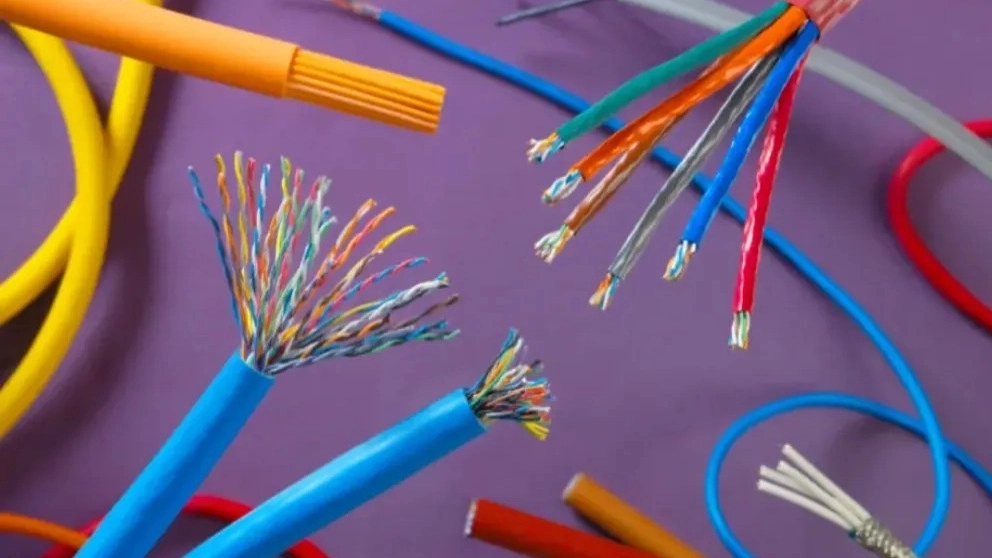
Ribbon cable, flat cable or multi-wire cable is a set of single-conductor or single-stranded wires that are connected to each other in the form of ribbons. This cable is also known as zip wire or zip cable; Because the conductors can be separated from the ribbon. In this cable, the wires are not placed together in a protective jacket like other types of cables; Rather, they are insulated separately. Usually, this cable is used for internal computer accessories such as hard disk, CD drive, etc.
Coaxial cable and network consists of an inner insulated conductor surrounded by an outer insulated foil conductor. Coaxial means two or more three-dimensional linear components with a common axis. This type of cable transmits high frequency electrical signals with low loss. These cables are often used as TV, radio and broadband internet cables. The composition of coaxial cable includes outer plastic sheath, braided copper shield, internal dielectric insulation and copper core.
Speaker cable consists of two or more electrical conductors, usually copper, that are individually insulated with plastic or rubber. These two wires are marked to identify the correct audio signal polarity. Speaker cable is used in electrical connections between speakers and amplifier sources. Three important electrical characteristics including resistance, capacitance and inductance are important in this regard. Low resistance allows more power to be supplied from the source and through the speaker coil, which affects the quality and loudness of the sound.
In high pressure cables, the copper or aluminum wires used in making the cable can withstand a very high voltage of 400,000 volts. Low pressure cables are also made of copper and aluminum; But they are insulated with different polymers and have a voltage level of up to 1000 volts.
The twisted pair cable consists of two cables that are woven together. The twisting of these cables prevents the noise produced by the magnetic coupling. This cable is used for signal transmission, data communication and telecommunication.