Diesel Generator structure
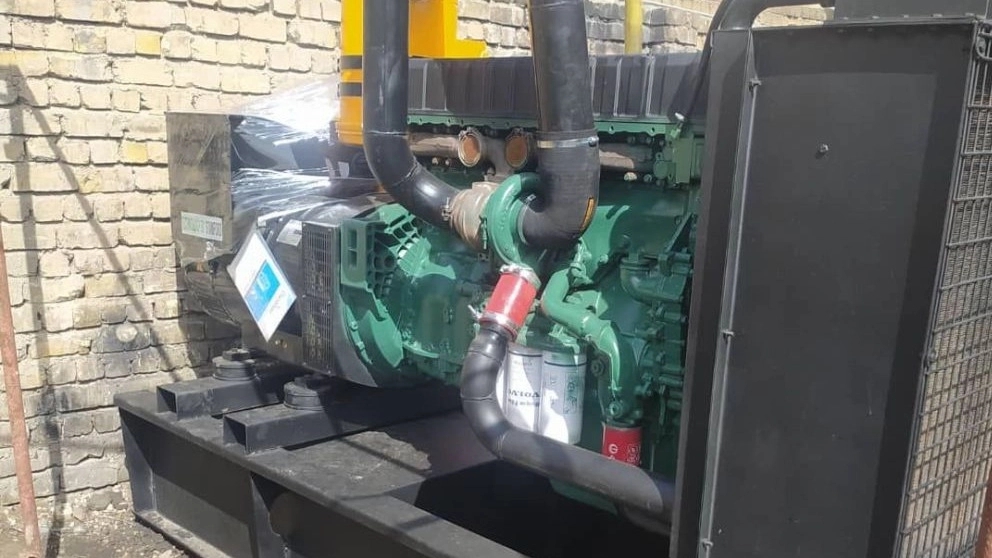
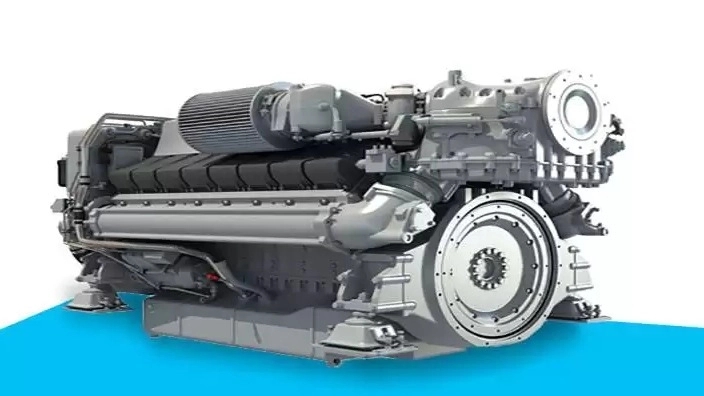
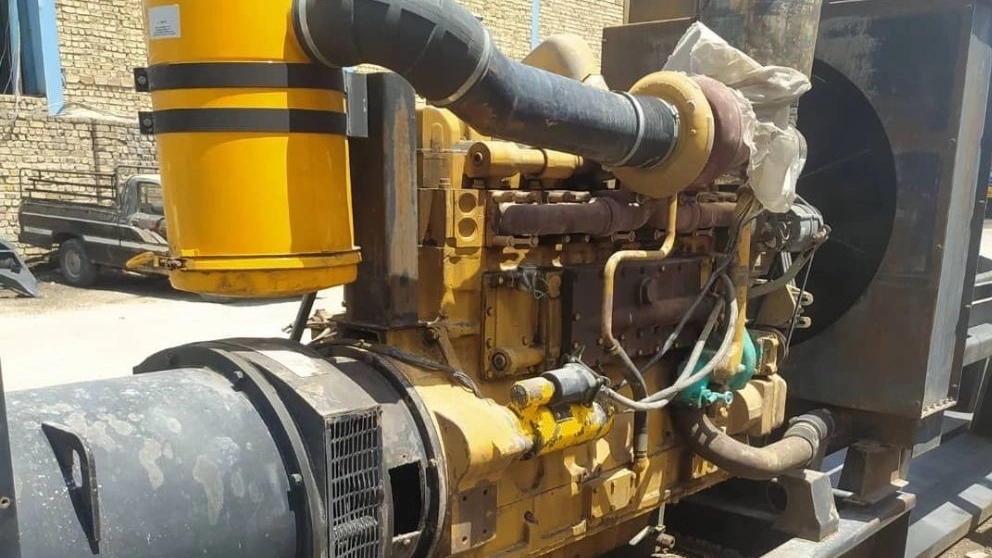
Engine 🔹🔸Engine, as its name suggests, is like the engine of a vehicle, with the difference that it has a bigger source of electrical energy and can produce more electrical energy.
Alternator
🔹This section converts the mechanical energy resulting from the rotation of the axis into electrical energy. Alternator is one of the most attractive parts of diesel generator. Faraday discovered (or at least described) electromagnetic induction in the early 1830s.
Electromagnetic induction states that if we move a wire (or any electrical conductor) in a magnetic field, an electric current is "induced" in the wire. If the wire is still fixed and the magnetic field moves, this phenomenon will still occur. Motion in a magnetic field causes electrons to flow through the wire. If the wire moves from north to south, the electrons flow on one side, and if it goes back from south to north, they flow on the other side.
The stronger the field and the longer the wire, the greater the induced current. Modern generators work by placing several large, powerful magnets in a cluster around a central rotating axis. The rotating part of the generator is called "rotor". Magnetic field generators may be permanent magnets or electromagnets, but they must produce a magnetic field that causes the motor to rotate. Another important component is the "stator" of the alternator, which is essentially a series of tightly wound windings, all near and around the rotor. When an external force (such as a diesel engine) rotates the central shaft, the north and south poles of the rotor's magnetic field move along the stator windings. This causes a lot of electric current to be induced in the coils, which we call alternating current.
fuel system
The fuel of diesel generators is diesel or diesel. The most obvious part of this part is the tank that stores the necessary fuel for at least 6 to 8 hours of work. In small, portable units, this tank may be inside the generator housing, or for larger units, it may be installed in a separate, permanent external structure. Other parts of the fuel system include the piping to deliver the fuel to the engine, the pump, the filter, and the fuel tank vent pipe or valve that prevents overpressure or vacuum inside the tank. There is also an overflow connection to ensure that fuel does not splash onto the engine surface or alternator if the tank is full.
voltage regulator
This part of the diesel generator is relatively complicated, but important. Without this system, the voltage and amperage will change as the motor speed changes. Since today's electrical appliances must be powered by a very reliable source, some requirements are required on the output of the generator. The explanation of the structure of the regulator is a bit complicated and is not included in this tutorial. Here, it is enough to know that the work of the regulator is to set the output voltage in a suitable and standard value.
Voltage regulator This part of the diesel generator is relatively complicated, but important. Without this system, the voltage and amperage will change as the motor speed changes. Since today's electrical appliances must be powered by a very reliable source, some requirements are required on the output of the generator. The explanation of the structure of the regulator is a bit complicated and is not included in this tutorial. Here, it is enough to know that the work of the regulator is to set the output voltage in a suitable and standard value.
Evacuation system All internal combustion engines produce gases. These gases are sometimes toxic and should be kept away from the engine itself and people around it. Exhausts are pipes that are passed through a path and directed to the outside air. There are usually health and safety regulations regarding how and where exhaust systems are located, and these must be taken into account before installing a new generator.
Lubrication system Every engine needs lubrication, which is done with an oil pump and tank connected to the engine. This is also true for the generator diesel engine.
Starting system and battery
Again, similar to a car, a diesel engine needs a small electric motor to start. This electric starter motor gets its energy from a battery that is charged with a separate charger or the output of the generator itself.
Control panel The control panel is where the operation of the generator is controlled. Common controls and outputs of control panels often include the following components: On/off control (manual, automatic or both) Phase selection key Frequency key Engine mode key Engine fuel Engine oil Engine speed Cooling temperature Battery charging Generator output voltage Generator output current Generator output power (in kilovolt-ampere) AC power frequency Room and body The diesel generator is housed in a waterproof enclosure, structural frame, or portable unit. All of this is to keep the connected components together. In addition, the enclosure ensures that electrical components are securely grounded.
Canopy A diesel generator can be placed in a sound insulation cover called a canopy, which reduces the sound caused by it well. In this case, the diesel generator is called a silent generator.