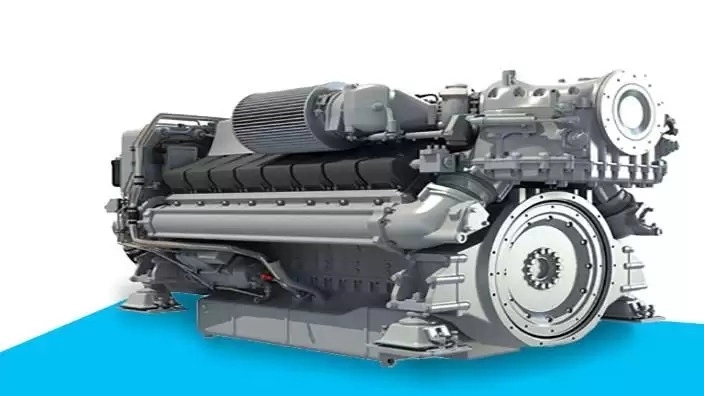
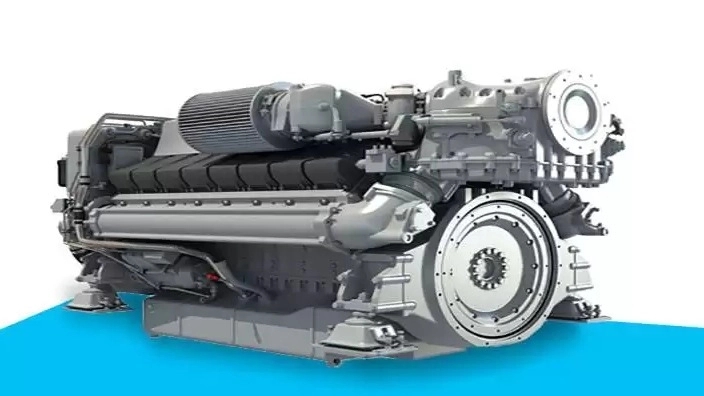
A diesel generator, or more precisely, a diesel generator, sometimes called an electric motor, converts mechanical (kinetic) energy into electrical energy. In fact, a diesel generator is a combination of a diesel engine (to turn the generator) and an alternator or electric generator that is used to generate electrical energy. Diesel generators are often used in emergencies and situations where grid power is not available.
The principles of diesel generator performance
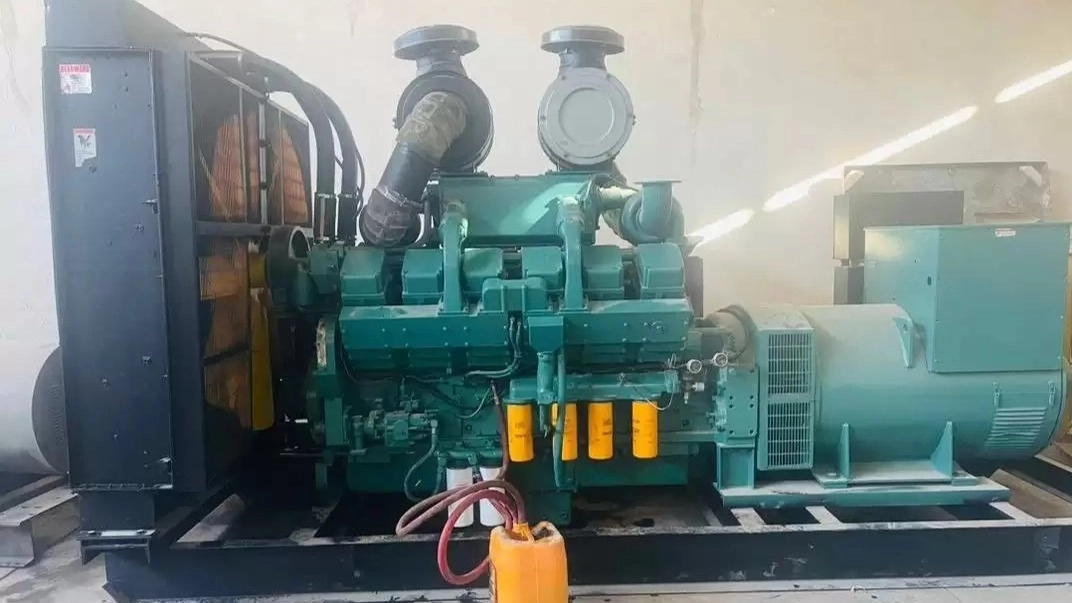
🔹🔸 The operating principles of a diesel generator are based on the law of energy conservation; That is, "Energy can neither be created nor destroyed, but is transformed from one form to another." Diesel has chemical energy and during combustion its chemical energy is converted into heat and power energy. This force is known as mechanical energy and rotates the alternator. The rotation of the alternator also produces electricity. Combustion is the process of burning fuel in very dense air and its temperature reaches 750 degrees Celsius. 🔹🔸 The operation of the diesel generator takes place briefly during four stages of suction, compression, combustion and discharge.
Suction stage When the inlet valve opens, the piston is moved from the center and air is drawn into the cylinder. When enough air is pressurized, the suction valve closes at the end of this step. Combustion stage At this stage, the fuel enters the hot dense air and begins to burn, maintaining the pressure, and when the piston reaches the top center, the fuel supply stops. Fuel injection continues at the end of the suction stage until the cut-off point is reached. In this case, the intake and exhaust valves remain closed, and hot gases and compressed air are distributed in the cylinder, causing the piston to move downward until it reaches the bottom point.
Evacuation stage At this point, the piston moves up again, allowing the drain valves to open and the fuel valve to close. Combusted fuel gases escape due to their expansion and as the piston moves up, the remaining gases are pushed out through the exhaust valve. At the end of this stage, the drain valves are closed and the cycle is complete.