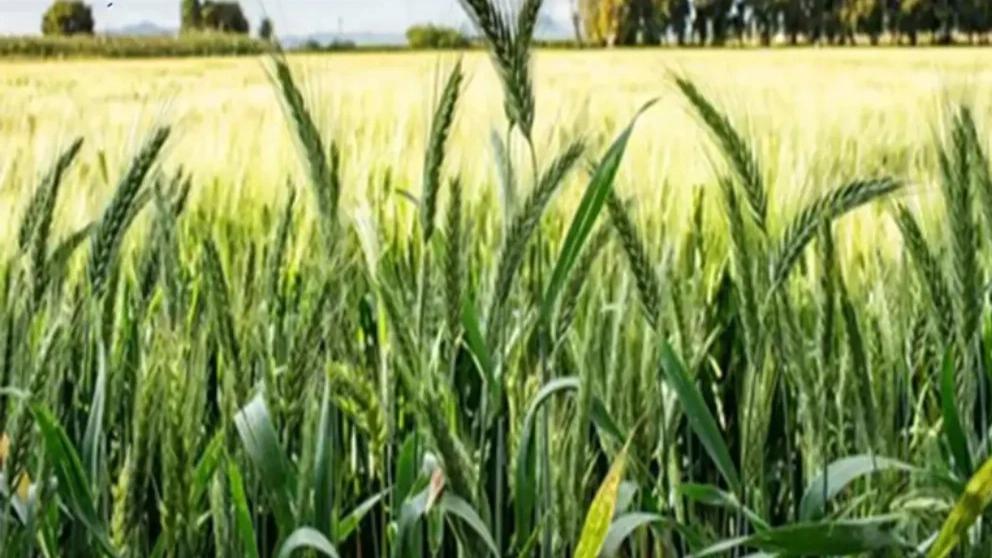
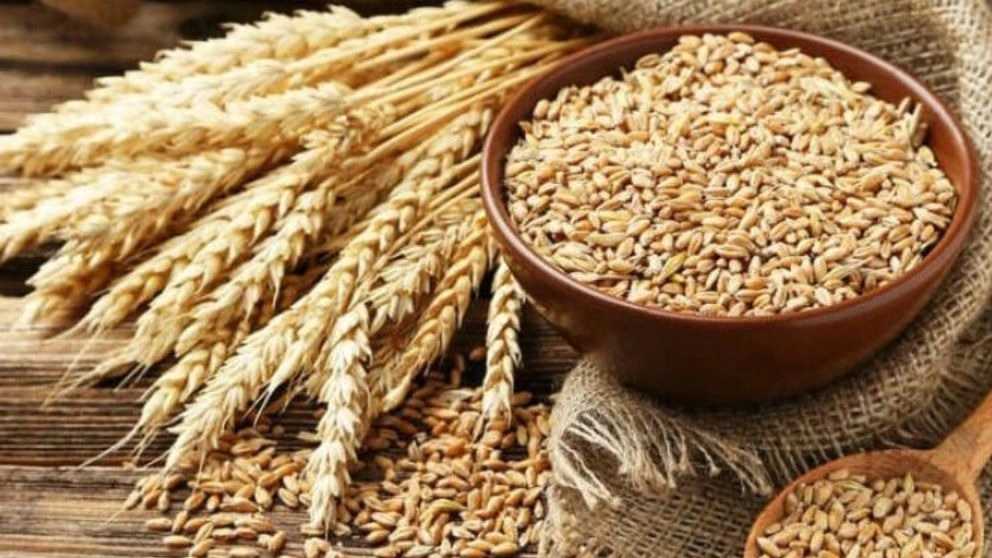

The most suitable weather conditions for wheat growth are cool weather during vegetative growth, moderate weather during seed formation and hot and dry weather during harvest. For this reason, the areas that get very cold in the winter will face problems such as frostbite for wheat cultivation.
Of course, it should be noted that the wheat plant does not have a high resistance to drought and cannot tolerate drought and drought conditions for a long time. But wheat is the most adaptable plant and adapts to dry conditions to some extent; In this way, it forms small cells that cause the formation of small leaves and eventually make the apertures smaller. As the apertures shrink, the plant's transpiration decreases and it is protected from problems caused by dehydration.
Wheat can grow in different climates and its highest growth has been seen in semi-arid and semi-humid areas. Of course, wheat growth has also been observed in dry areas where the rainfall is about 200 mm. But it will not be able to grow in areas with high temperature and humidity. Wheat planting is done in the cold seasons of the year and in tropical and subtropical regions. In order to be able to produce the most wheat crop, you must provide the right climate and carry out the cultivation at a certain time.
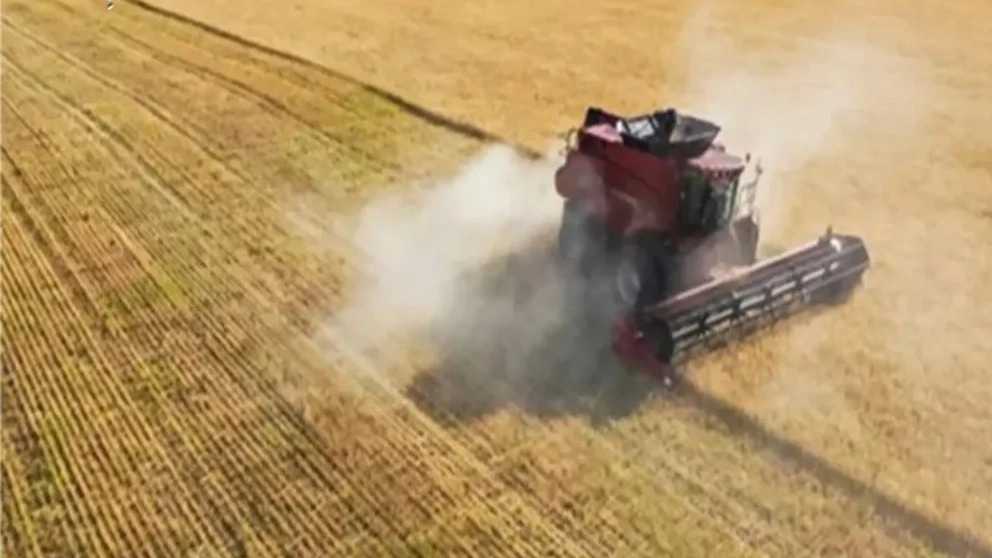
Common methods of wheat seed planting in Iran
Sowing wheat seeds in Iran is done by various methods, including strip, Kurti, Faroe, cultivation on long stacks, etc. In Iran, an attempt has been made to use multi-functional machines like the famous wheat producing countries. These machines have many capabilities and can do seed planting, fertilizing and disc work at the same time. Also, the use of these machines makes cultivation faster and uniform.