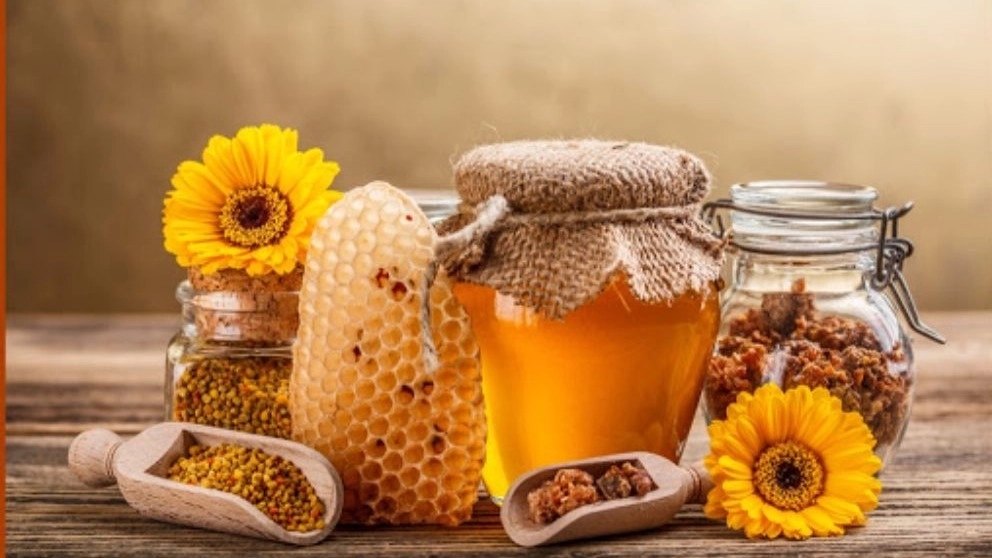
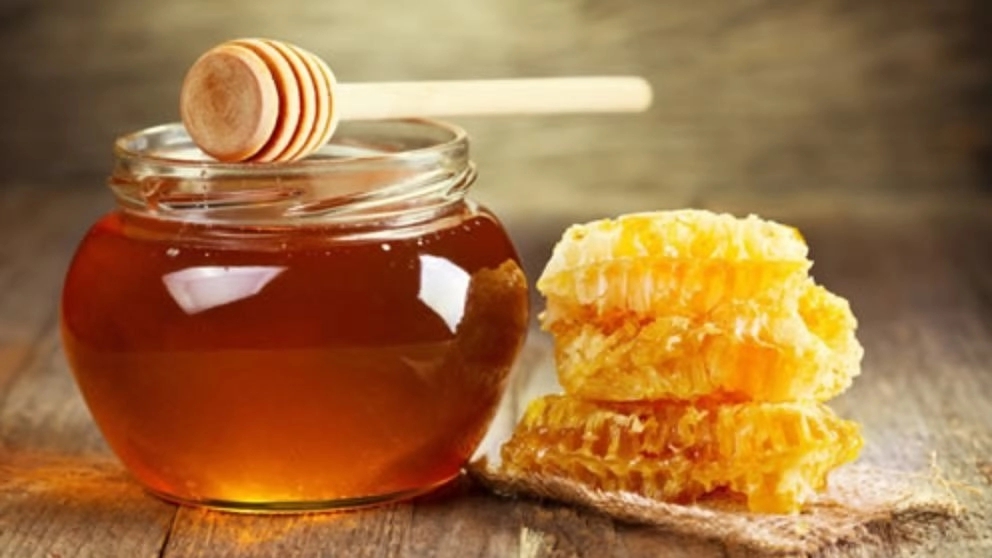


Organic honey is a term that we have heard many times in many sites and stores and even messengers, especially regarding honey as a tool that is unfortunately misused and products with Organic honey is sold at exorbitant prices.
Natural honey is produced by beekeepers in 4 different ways.
Honey is 100% fed with sugar, which is called nutritional honey.
Natural honey with plant nectar and auxiliary nutrition.
Natural honey with plant nectar and the use of medicines used in the beekeeping industry
Natural honey with the nectar of plants and in the closest state to wild honey without the use of any poison and... and in a state similar to nature.
The use of the word organic in the honey industry has a heavy responsibility, and people may unknowingly use this word and sell 100% nutritional honeys as 100% organic, which in itself has many sharia problems, even selling honey. 100% natural instead of organic honey has some disadvantages that we will describe in detail below.
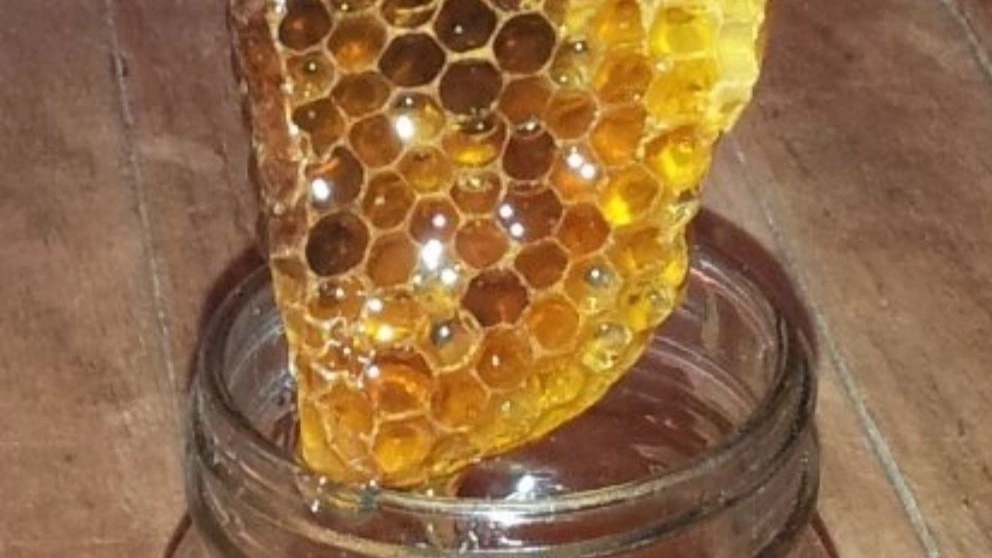
What organic honey is it?
1- It is organic honey that the beekeeper has not used any chemicals or antibiotics to strengthen the bees or pest control the bees. 2- It is organic honey that all the parts that the bee comes in contact with, such as the hive, honey comb, syrup containers (which have no place in organic honey), the wax used by the bee, etc., are free from any chemical and synthetic pollutants. It should be far away and not contaminated. 3- It is organic honey in which bees have been cut off from any access to trees and plains that have been sprayed with pesticides. 4- It is organic honey that is produced in wooden hives (not plastic) and is also packed in glass containers (please note that the best way to store honey is in glass containers and we also offer this option in the store) We have provided Angpin natural honey so that customers can order honey in glass containers. 5- In a word, it is organic honey that is produced similar to the natural state of bee life and far from any cultivation in the heart of virgin nature and free from any pesticides and bee antitoxins, etc., and therefore this honey is far more expensive than others. It is honey because the beekeeper harvests the least amount of honey at the highest cost, and most of the bee population is destroyed in the way of honey production and due to pests, and a number of bees are also lost due to nutritional poverty and great effort.