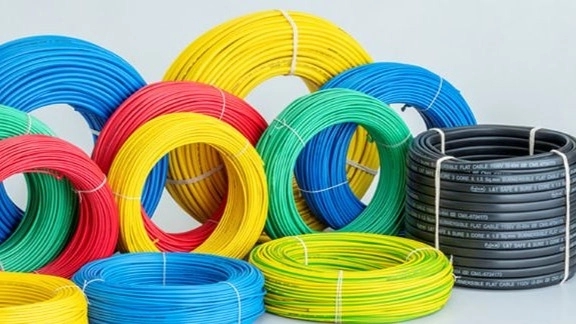
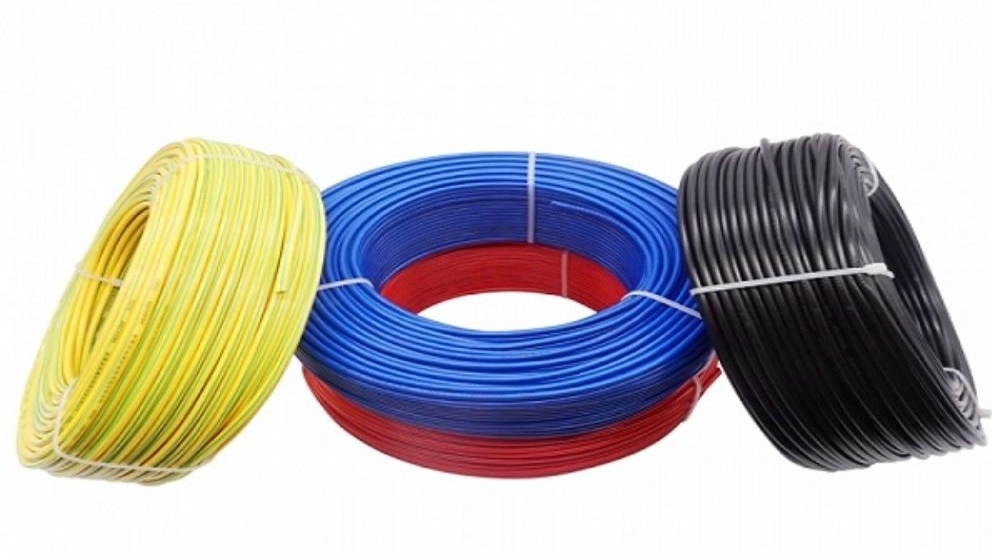



Electric wires and cables are one of the most important components of networks, circuits and power transmission systems and play a significant role in our use of various electrical and electronic devices. Electric wire and cable are used to transmit electric current, but we should not confuse these two with each other and we should also consider the difference between them.
Definition of Wire and Cable Power
Electrical wire: If we want to explain the electric wire simply, we should say that the electric wire is a thin conductive metal string that can transmit electrical energy and electric current, or in other words, It is a conductor for electric current. The power cord consists of two parts. A conductive part or conductor that includes a conductive string made of tin-coated copper metal or aluminum, and another part, an insulating layer that insulates the conductive part, so as not to damage the electric wire and disrupt the flow of electricity. It also prevents some risks, including electrocution.
Electric cable: In a simple definition, the electric cable is made up of two or more electric wires that are twisted together and covered with an insulating layer. Electric cables are like a strong and heavy rope, that's why they are used to raise the towing and transfer the traction forces. In general, the difference between cable and electric wire can be expressed as follows: the wire consists of a conductor string that is insulated by a layer, and the cables consist of two or more insulated conductors that are twisted together. The range of use of wires and cables can be different, but it is better to know that wires are more useful than electric cables.
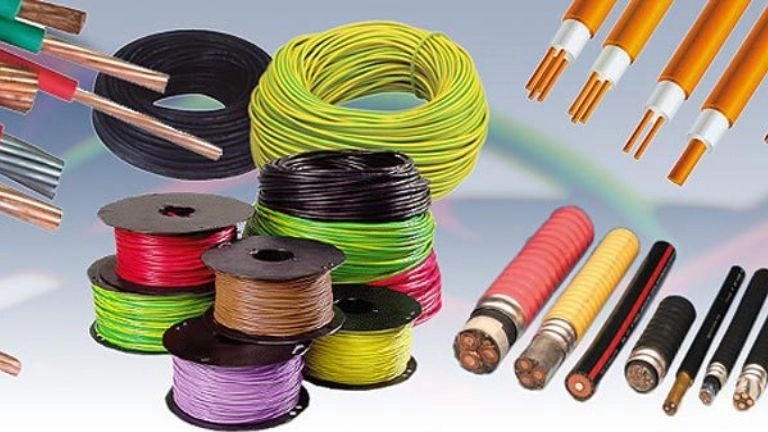
Types of cable and wire
One of the most important things when using wire and cable is to have the necessary information about its type, material and quality; Because each wire and cable has a different function. As mentioned, there are different types of wires and cables, some of which are mentioned below in the form of headlines: