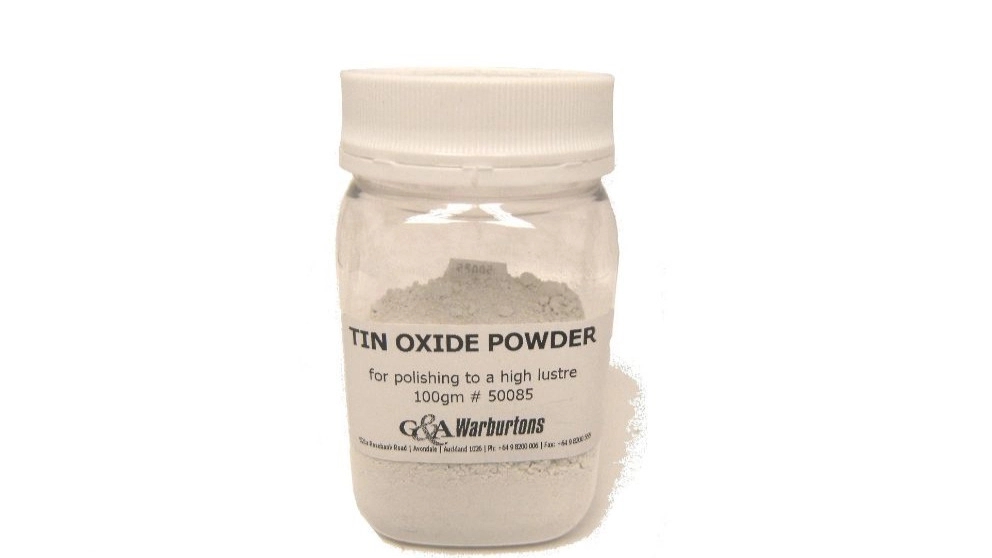
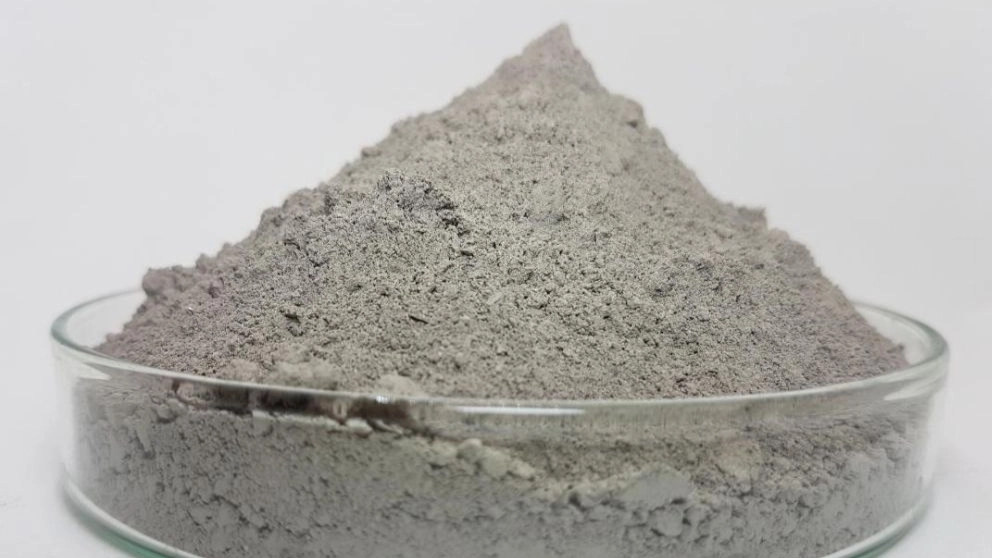
Tin oxide belongs to the transparent conducting oxide (TCO) family. This combination is used for single crystals and also for preparing thin films that are the basis of devices such as transparent electrodes, electronic devices and sensors.
Applications of tin oxide
Tin oxide is a versatile metal oxide due to two properties. The state of variable capacity and the presence of oxygen vacancy defects. Therefore, tin oxide is potentially widely used in decomposition, electrocatalysis, solar energy conversion, antistatic coatings, transparent conductive electrodes and electrochromic devices. Intrinsic redox plays an important role in the analysis. The properties of tin oxide can be modified by introducing cation or anion species in its structure and interacting with other oxides.
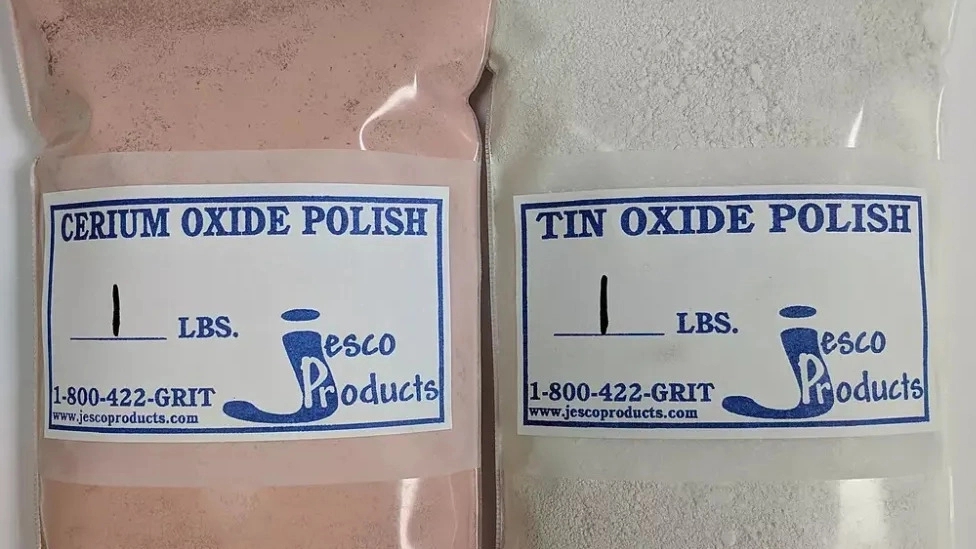
Tin oxides are technically very important with applications such as catalysis, production of transparent conductive oxides and materials inside batteries. The electronic structure of these materials plays a fundamental role in determining their properties and applications. Tin(IV) oxide has long been used as a white color in ceramic glazes. The use of tin (IV) oxide is common especially in the glaze of earthenware, sanitary ware and wall tiles. The tin oxide remains suspended in the glass matrix, scattering the light and hence increasing the opacity of the glaze. The solubility of tin oxide in glaze melting is generally low, but its solubility is increased by Na2O, K2O and B2O3 and decreased by CaO, BaO, ZnO, Al2O3 and to a limited extent PbO. It is used in the manufacture of glasses, glaze and ceramic glaze. Tin oxide in its pure state gives a milky white color, but other colors can be obtained with other metal oxides.