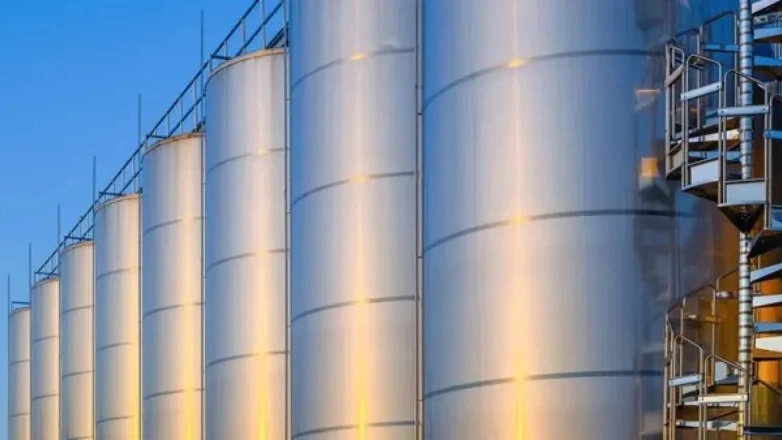
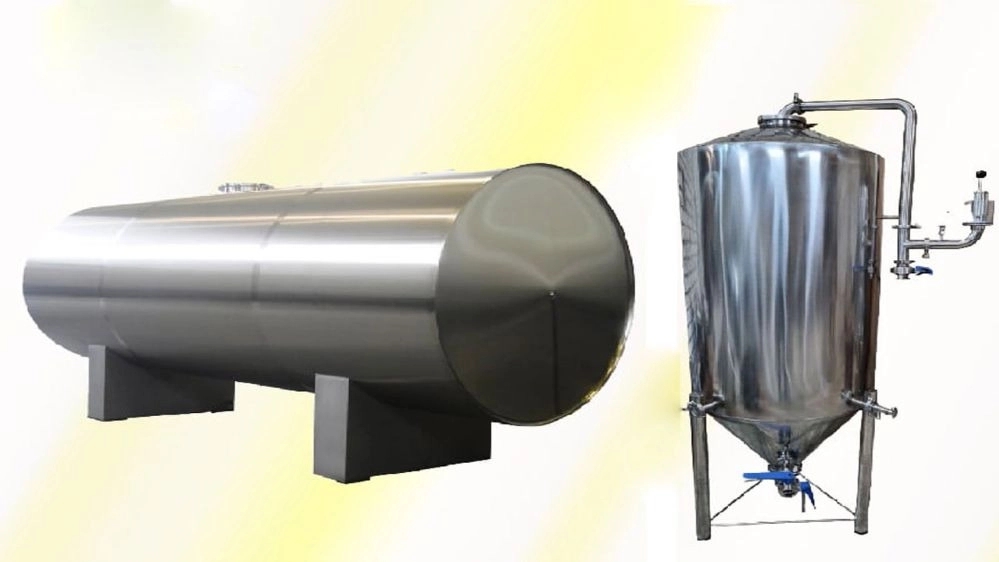


What is a tanker or storage tanks?
Mainly found in sectors such as oil and gas, chemical processing, water treatment and agriculture, these reservoirs play an important role in maintaining the continuity of industrial operations. Tankers are large containers designed to hold materials under specific conditions (atmospheric pressure, under controlled temperature, or in specific chemical environments) to ensure that these materials are available in sufficient quantity and, when needed, of the required quality. are preserved In this article, we comprehensively discuss the main aspects of tankers or storage tanks and cover the performance, types, materials, safety considerations and guidelines for choosing the right tank.
Key tasks of storage tanks
Storage tanks perform several vital functions that make their presence necessary in various industries. In the following, we will examine these functions.
Storage and protection
Tankers provide a way to store large volumes of materials so that they are available when needed. They also reduce losses that may occur through evaporation or spillage. These storage tanks enable efficient inventory management and support a steady supply of materials for ongoing operations without shortages.
Combination and mixing
Some tankers or tanks are designed to mix or combine different liquids or gases to create specific formulations.
Shipment
Tanker or portable storage tanks are used to transport liquids or gases over short distances. Wheeled tanker and car tanker are examples of types of tankers for transporting liquids.
Safety and adaptation
Proper storage of hazardous materials helps to comply with safety laws and regulations and preserve the environment. Tankers can protect these liquids well without causing leakage.
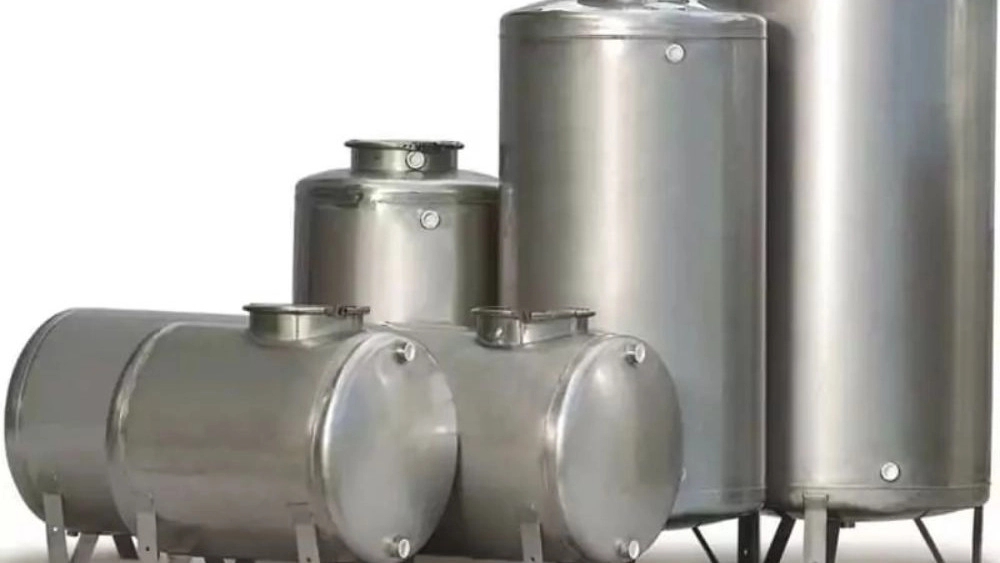
What materials are made of tankers or storage tanks?
The choice of materials for the construction of storage tanks is very important and depends on the chemical properties of the stored material, environmental conditions, cost considerations and the intended life of the tank. In general, some special materials are used to make tankers, which we will discuss further.
Steel
Steel is used in the tanker industry because of its high durability and strength. Different grades of steel offer different levels of corrosion resistance based on the material stored. To prevent steel from corrosion, it can be coated or plated. In this case, it will be suitable for a wide range of temperature and pressure.
Concrete
Concrete is preferred for large tanks that store water, sewage, and certain chemicals. This material offers structural integrity and fire resistance and is cost-effective for large volumes.
Plastic
To make tanks resistant to chemicals or water tankers in small to medium sizes, it is suitable to use polymers such as polyethylene. This type of tank is called plastic tanker. This material has a very good corrosion resistance. However, it may not be suitable for high pressure applications.
Fiberglass
Fiberglass tankers, with a capacity of up to 300 tons, are a good option for ground and underground storage. These tankers contain various types of industrial chemicals, from water and fuel, and are particularly resistant to external and internal corrosion. Their appeal lies in their affordability, exceptional durability and corrosion resistance, which eliminates the need for constant maintenance. Additionally, these tanks are significantly lighter than their concrete equivalents, making installation and transportation simpler. Their marketability makes them a preferred option in industrial warehousing, offering a balanced combination of affordability, longevity, and ease of transportation.
Stainless steel
This material is used for tanks that store aggressive chemicals or food products due to its corrosion resistance and non-reactive properties compared to normal steel. Stainless steel tank is the same steel tank that has many uses.
These materials have various advantages and are selected based on factors such as the type of material to be stored, durability requirements, affordability, and resistance to corrosion or chemical reactions.
Types of tanks in terms of shape and location installation
Tankers are divided into 6 categories according to the type of installation. These 6 groups are:
- مخزن هوایی: تانکر هوایی در ارتفاع نصب میشود و معمولا کاربرد آن ذخیره آب است.
- مخزن زمینی: انواع مخزن زمینی بر روی زمین قرار میگیرند و کاربردهای گستردهای دارند.
- مخزن زیرزمینی یا دفنی: این مخازن در زیر زمین دفن میشوند و کاربردهایی نظیر ذخیره سوخت، ذخیره آب و جمعآوری فاضلاب را برعهده دارند.
- مخزن ماشینی یا کامیون تانکر: برای حمل سیالات با حجم زیاد و در فواصل طولانی کاربرد دارند. نظیر انتقال سوخت بین استانها.
- مخزن چرخ دار: چنانچه بخواهیم سیالات را در فواصل کوتاه و حجم کم منتقل کنیم، میتوانیم از مخزن چرخ دار استفاده کنیم.
Safety of storage tanks
Safety is an important aspect of tanker or storage tank management, especially when storing hazardous or flammable materials such as diesel fuel. Proper protection and maintenance of storage tanks is necessary to prevent environmental damage, accidents and fire.
Fire safety measures including fire extinguishers, smoke detectors and automatic fire extinguishing systems should be implemented to prevent fires. Employees handling stored materials should be trained in safe handling, containment procedures, spill response, and emergency response. Regular safety and training sessions can reinforce safe practices and ensure employee awareness of the risks associated with storage tanks.
Regular inspection and maintenance of storage tanks is essential to ensure they are healthy and prevent leaks. Businesses that perform bulk storage are required to maintain records of inspection, maintenance and testing of storage tanks and related equipment.