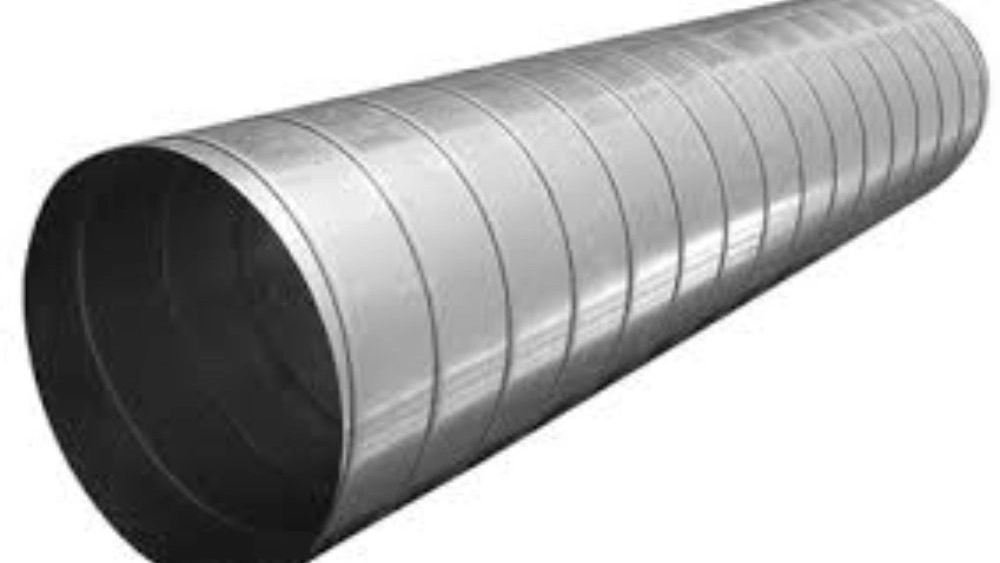
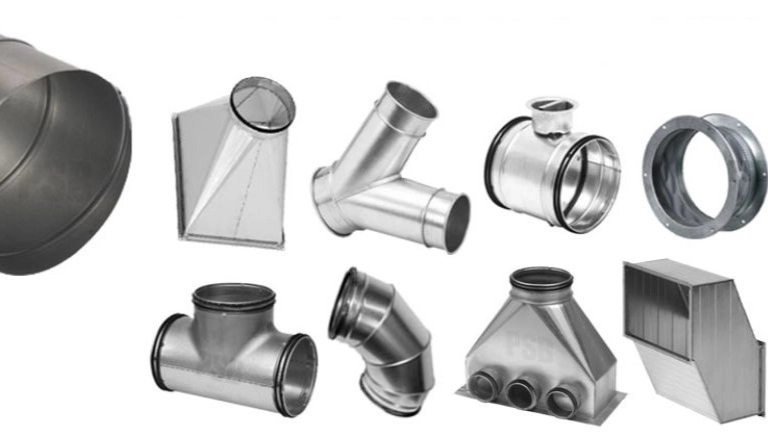



The production and use of spiral pipe in oil and gas transmission pipelines has taken a growing trend all over the world. With the increasing progress that the production technology of these pipes has had in the last few decades, we can now admit that the spiral steel pipe is of a quality that can compete with direct welding seam pipes. So that in most of the international standards, the quality control cases of these pipes are mentioned next to the direct welding seam pipes.
What is a spiral tube
Esman Ventilation Part's business has a brilliant history in the production of spiral pipes. Today, it is known as one of the leading manufacturers of spiral pipes in the region and sends its products to Sasser in the country.
Spiral
Understanding the complex process behind the production of spiral tubes is essential to understanding their quality, strength and reliability. This manufacturing method consists of a series of well-defined steps, each of which contributes to the unique properties of the spiral tube.
This process usually begins with the selection of high-quality materials, often steel because of their durability and strength. These materials are subjected to precise cutting to achieve the desired length and dimensions. Subsequently, the flat strip of material is subjected to a forming process in which it is formed into a continuous spiral and creates the desired spiral structure.
Welding plays an important role in the production of spiral tubes. Unlike seamed pipes where welding is done at both ends, spiral pipe production method involves a continuous welding process along the spiral. This step results in a seamless and robust structure that contributes to the superior strength of the spiral tubes.
Quality control measures are implemented at various stages of production to ensure that the final product meets industry standards. Non-destructive testing methods such as ultrasonic testing are used to identify any possible defects or weaknesses in the pipe. This rigorous quality assurance process is critical to the production of spiral tubes that can be used in a variety of applications.
Spiral Pipe Manufacturing Standard
The reliability and safety of spiral tubing is significantly dependent on meeting strict manufacturing standards. These standards are established by industry organizations and regulatory bodies to ensure uniformity, quality and performance of this pipe among different manufacturers.
For example, the American Society for Testing and Materials (ASTM) sets standards for materials used in spiral tubing and specifies composition, mechanical properties, and test methods. The International Organization for Standardization (ISO) also provides guidelines for production processes, ensuring consistency and quality in production.
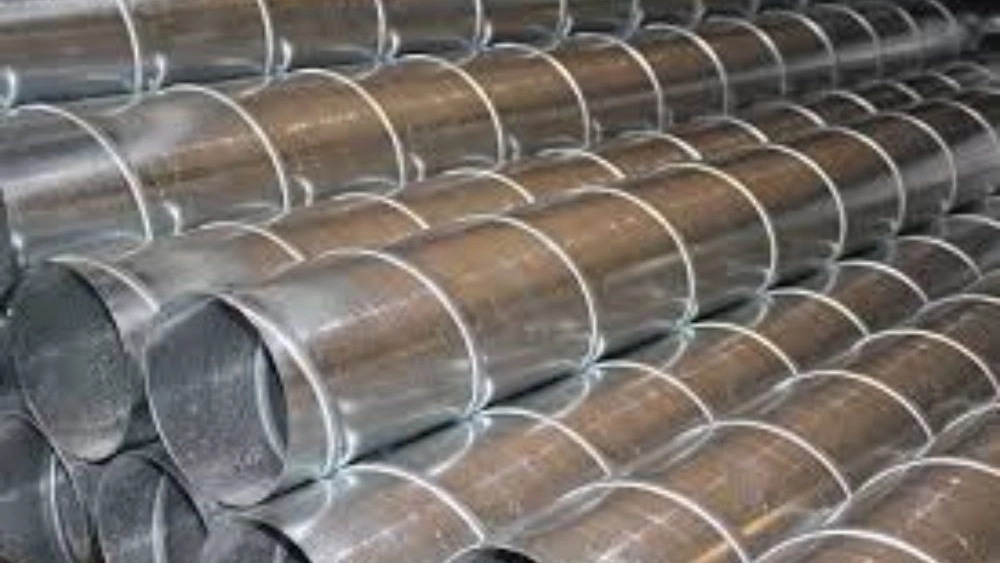
Spiral Tube Applications
Spiral steel pipe plays a central role in the field of construction and infrastructure. Its inherent strength along with the ability to withstand external pressures makes this pipe ideal for use in bridges, tunnels and high buildings. The helical configuration provides structural support and ensures the longevity and stability of these critical infrastructure elements.
Spiral pipe is used in industrial environments to transport liquid, gas or granular materials. The continuous spiral design minimizes the risk of leakage and increases the overall efficiency of material handling. Conveyor systems, pipelines and pneumatic transmission systems all benefit from the unique properties of spiral tubing.
The medical applications of the spiral tube are also significant, and the spiral tracheal tube plays a vital role in respiratory care. These specialized tubes are designed to assist with artificial ventilation and provide a pathway for air to reach the lungs. The helical structure ensures flexibility and ease of tube placement, making them indispensable in critical care situations.
Beyond these primary uses, spiral tubes are also used in sectors such as automotive, aerospace and even art installations. The ability to customize the bending and shaping of spiral tubes makes them suitable for complex designs and specialized needs in various industries.