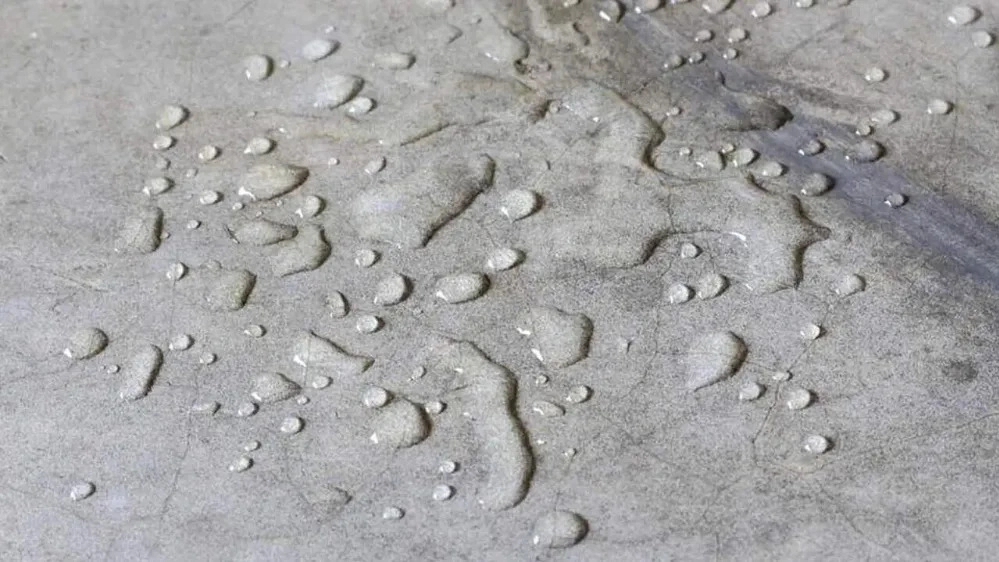
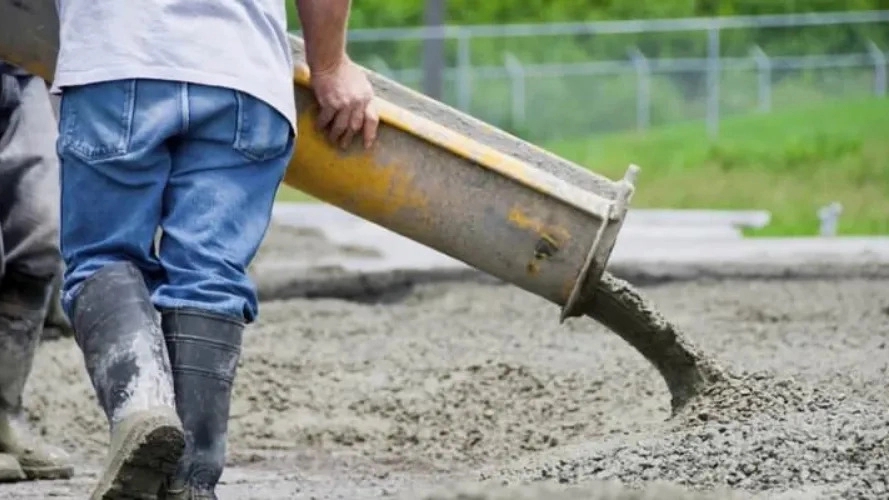
Concrete sealing is one of the basic and vital issues in the construction industry, which is very important in maintaining the durability and strength of structures. Due to its chemical and physical characteristics, concrete is exposed to the penetration of water and harmful substances, which may lead to destruction and reduction of the life of the structure. It is necessary to seal concrete in order to prevent the penetration of water and contaminated materials into the structures. This process is done through the use of various materials and techniques that help improve the strength and resistance of concrete.
How to Seal Concrete
Different methods can be used to seal concrete. In the first method, concrete can be sealed through its external surface. In the second method, sealing can be done through the inner surface, and in the third method, concrete can be sealed through concrete particles. The use of the third method has been very popular since 1980 and crystal additives are used for this purpose. In fact, in this method, concrete particles can prevent the passage of water and moisture from different directions. In general, the main methods of sealing are as follows:
Concrete Sealing System by Sheet
This method is one of the most common ways of sealing, although it has many limitations and high cost. Sealing sheets are basically sheets made of polymer materials, bitumen and polyethylene. The combination of these materials causes the sealing sheets to undergo less deformation and sensitivity to temperature changes. Sealing sheets will prevent dangerous chemical substances and poisons from approaching concrete and will increase tensile strength, increase resistance to acid soils, flexibility, self-healing and increase concrete bonding ability. In an article entitled "wall monolith" from the Madfoam site, a complete review of wall monoliths, their features and applications has been discussed, which can provide useful information to the reader.
Concrete Sealing System by liquid shell methods
In this method, you can also use materials such as urethane, polymeric asphalt, etc. and cover the concrete surface with a brush. This method is usually used for sealing the external surfaces of concretes, although nowadays with the advancement of various technologies, it can also be used for sealing the internal surfaces of concretes. The degree of success of sealing by liquid shells depends on their thickness and how they are applied, and the use of this method will be practical only when the use of prefabricated sheets is not possible.
Concrete Sealing Using Concrete Additives
The new and modern sealing method is to use different additives in its mixture. These additives are actually added to the concrete mixture during concreting and cause the concrete itself to become a barrier for water to pass through. These additives can have different types, such as concrete aerating additives, water repellent additives and crystal additives. The concretes made using these additives are considered as 3D panel walls and have many uses.
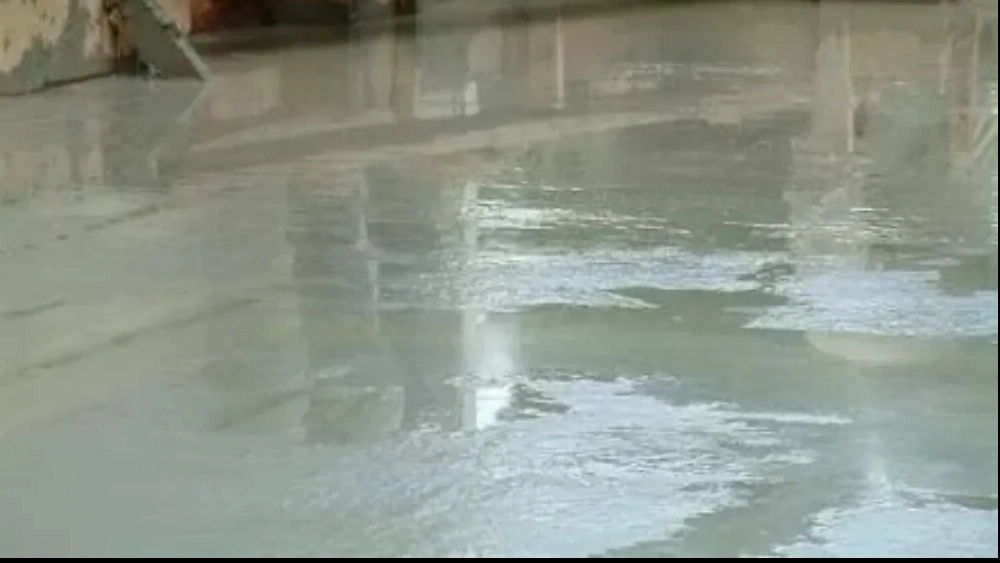
The Principles of Sealing in Concrete Structures
As mentioned, sealing can be done in different ways and each of these methods can have its own advantages and disadvantages. In general, sealing in different concrete structures should be done based on certain principles, which are as follows:
Primary sealing is a method in which concrete is sealed during production and construction. This method can be the best method in terms of efficiency, economy, etc.
Secondary sealing is also a method that is done after concrete production, and its basis is membrane sealing that can be done with different materials.
Why should we use concrete additives for water
1. Good and dense concrete with a water-cement ratio of less than 0.5, if it is well poured and shaken and properly cared for, it is usually waterproof.
2. For To prevent water from passing through a layer of concrete to the outside or from the adjacent soil into the concrete, two-component waterproofing agents are used. partially for the purpose of sealing Executive joints and the place where concrete is cut have become common. 4. All advanced countries use hydrophilic or bentonite seals in structures to seal executive joints. 5. Pipe rusting. Capillaries caused by evaporation of concrete water due to not using concrete additives lead to cracking.
6. This incident leads to intensification of permeability and a sharp decrease in the life of the concrete structure. .