Hashemi rice is one of the best and best Iranian rice. The aroma of rice that spreads in the back alleys after cooking. Due to the good quality, today a large amount of the country's production is dedicated to this product and it has even managed to find special and potential customers all over the world in addition to inside Iran.
Sale of Hashemi's Hashemi Rice
Hashemi rice was first discovered in Gilan province by Mr. Yousef Hashemizadeh. On one of the days of ****, when Mr. Hashemizadeh went to his agricultural land to check the condition of the rice clusters, he noticed that some of the clusters were different and not like the rest of the rice. When he looked more closely, he realized that these clusters have longer and thinner seeds than normal clusters. With the curiosity that Yusuf Hashemizadeh had, he collected these clusters in 3 years (more than 40 kg) and planted them in the ground the next year (in the first spring crop). Then, after harvesting, he took the paddy fields to the paddy fields of his village, Chaparkhane, to separate the rice skins.
What are the characteristics of Hashemi's rice?
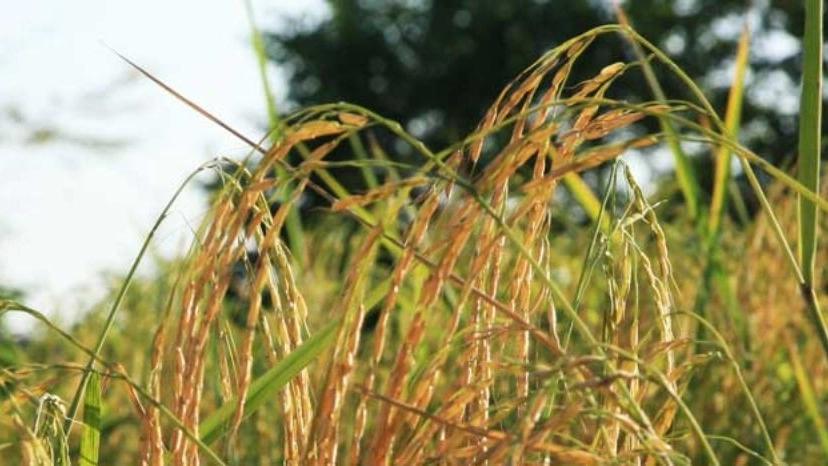
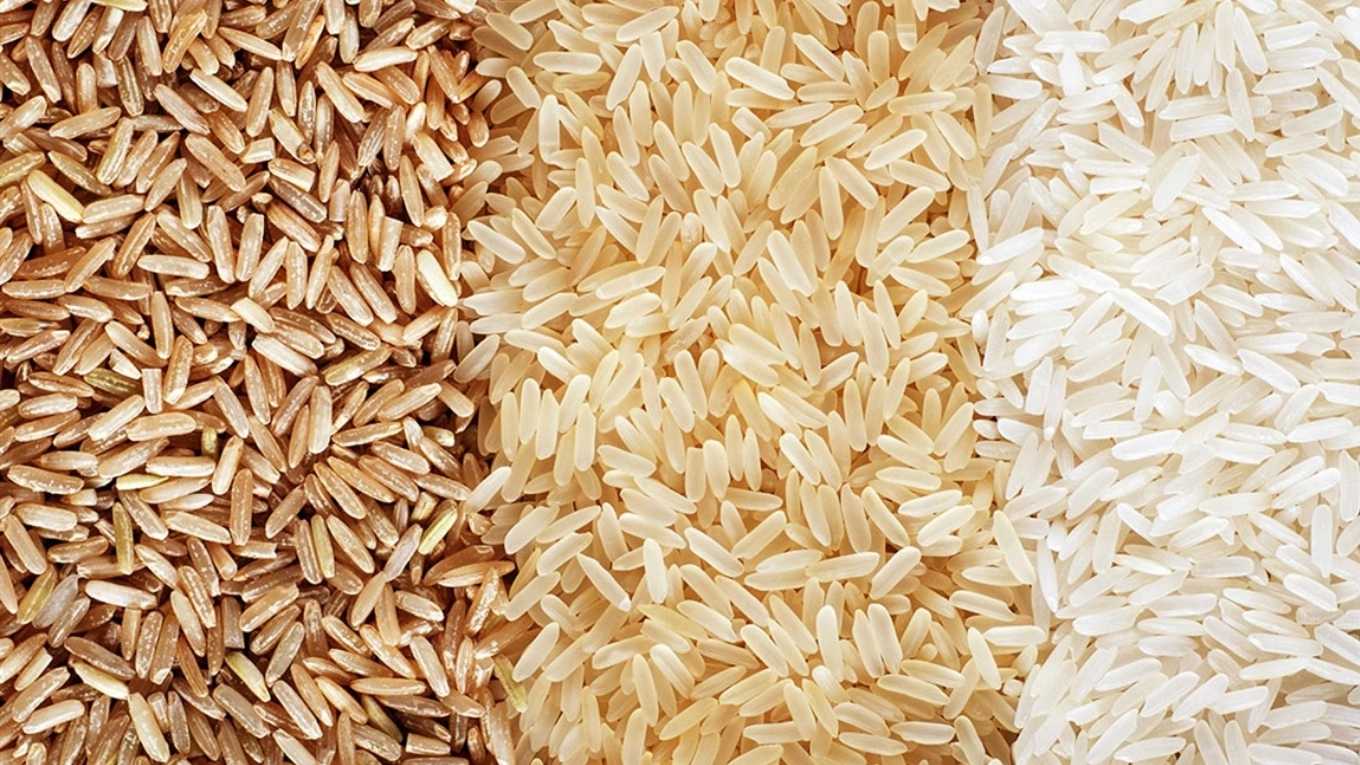
In general, Hashemi rice can be included among the best cooked Iranian rice. The appearance of the seeds is long and pencil-like, and its color is creamy white. The spikes of this rice are longer and more elongated than other rice. These rices grow well after cooking and have a unique aroma. Hashmi rice stays soft for a long time after cooking.
Hashemi's rice types
In general, there are two types of Hashmi rice: cold Hashmi rice and hot Hashmi rice. The fact that Hashmi rice is cold does not mean that it is cold in nature. Rather, it means that the cold type of Hashmi rice reaches one week to 10 days later than the hot type and can be harvested. According to Mr. Yusuf Hashemi (discoverer of Hashemi rice), the cold type of Hashemi rice is better than the warm type.
There is another category of Hashemi rice that goes back to the way of production and extraction in factories, which includes:
In what land is Hashemi rice cultivated?
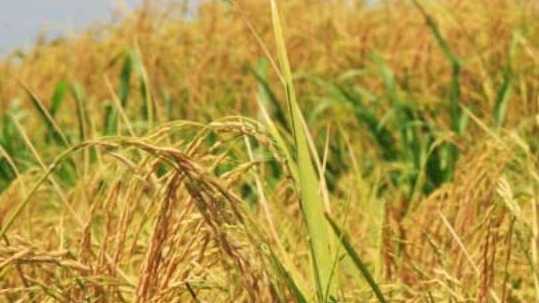
Hashemi rice grows mostly in lands whose soil is rich in nutrients and minerals. The soil that can be responsible for the growth of this variety of rice. For example, the central areas of Gilan province, which are located around the Anzali Marsh, are the best areas for Hashemi rice cultivation due to special weather conditions and fertile soil.
In fact, if these conditions are not provided, rice will bend during its growth process and its stalks will fall to the ground. In this state, it is said that the rice stalk is sleeping or fallen. An issue that is one of the main concerns of hardworking farmers and may cause them to bear heavy costs during harvest.
What are the properties of Hashemi's rice?
Hashmi rice has many properties like other rices, but due to the high amount of minerals and vitamins, it has become more popular than other rices. In the following, we mention some of its properties:
Constipation treatment
Hashmi rice has good fiber that you can help to improve your constipation problem by drinking some water.
Helping kidney health
Due to the diuretic property of rice, people's urine increases and uric acid is excreted.
Low prevention Blood
The iron in rice causes more blood hemoglobin formation and prevents anemia.
Helping the body's metabolism
Hashemi rice, due to the presence of useful elements such as vitamin D, fiber, calcium, iron, etc., always helps the activities of body cells and substances It provides the mineral needed by the body.
Improving the activity of nerve cells
Vitamin B in Hashemi rice causes the formation of nerve cell elements. And as a result, it improves all the activities of the body
Lower blood pressure
High sodium (Na) causes high blood pressure. Hashmi rice has a low level of sodium and causes less vasoconstriction. As a result, by consuming this rice, the possibility of heart attack and stroke is reduced.
Hashemi Rice Price
Because Hashemi rice is considered among the superior rices, it has a higher price than other rices. When you are in a rice shop, know that if you ask for Hashemi rice, you will be dealing with one of the most expensive Iranian rice.