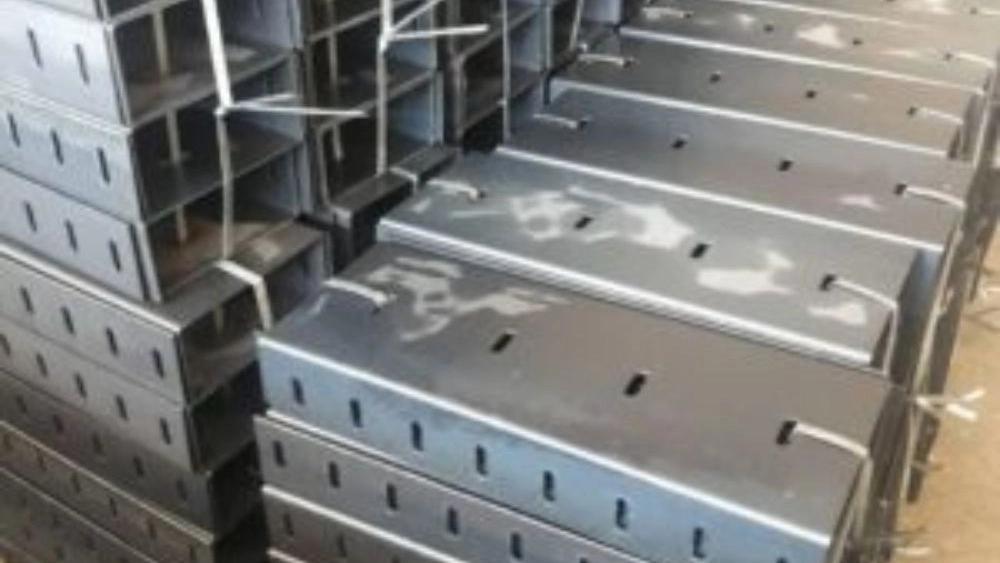
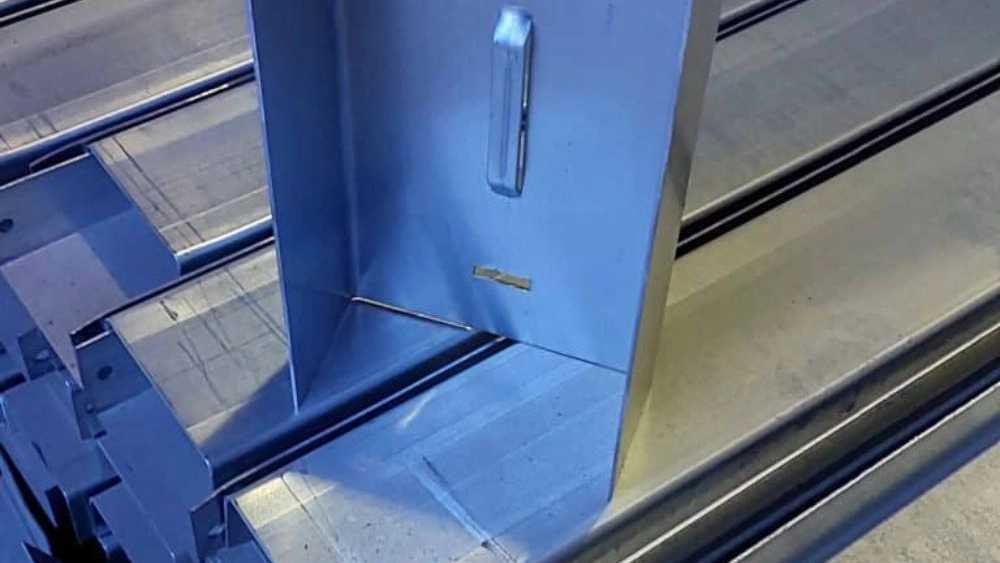
Post wall is a vertical or horizontal structure that is similar to a beam or column, but has a different application. This structure is generally used for safety and to prevent overturning.
The vertical post wall is used when the wall opening is large and it is fixed on the beam from the floor/slab to the ceiling beam/slab. According to the fourth edition of the regulation **** page 103, the maximum length of the non-load-bearing walls is 40 times the thickness of the wall or partition (blade) or 6 meters each less, and the maximum height of the non-load-bearing wall or blade compared to the level of the adjacent floor is 3.5 meters.
If the wall fits within these parameters, forced installation is not required. The ends of the blades should not be free. The free ends of the blades must be connected to another blade or wall or structural elements or wallpost. If the length of the blade is less than 1.5 meters, one side can be free.
The minimum ratio of thickness to non-bearing wall should not be less than 1/30. The reinforcements can be steel or reinforced concrete. Most of the time, the steel post wall is of profiles with angular shapes, U-shaped or box profiles. Both ends of these wall posts must be properly fixed to the floor and ceiling. The use of these forces in the building is to transfer wind and earthquake load to the structure frames and secure the wall from falling.
Wallposts
Vadars can be generally divided into 3 general categories in terms of how they are installed:
Vertical wallpapers
In some cases, design engineers, by examining the loads on the wall of the structure, recognize that bending loads overcome other types of loads on the wall. In these cases, the impeller must be installed vertically. In this situation, the wallpaper should be placed in such a way that the points to be installed in the main structure are located below and above it. Vertical and horizontal forcing may be similar in appearance, but you should note that in the vertical type, usually, the entire thickness of the wall is covered.
This type of wallpaper is welded inside the middle of the frame and from the beam of the lower floor to the beam of the upper floor. The rules and conditions for the implementation of wallpaper are written in clauses 8-5-5-7 and 7-5-3 of the eight national building regulations of the **** edition of the regulations for the design of buildings against earthquakes, the fourth edition.
In the case that the forceder is running vertically (upright), if it is placed on the blade, you must weld the bottom edge to the beam with a two-sided angle. But if it is on the floor, first a plate should be rolled to the floor and then welded on it with two corners to secure it very well. The same method is also used for the upper edge of the vertical wallpaper at the level of the ceiling.
Horizontal wallpapers
In some cases, the parts of the building that should be placed as forced supports are located in such a way that it is better to implement the forced horizontally. You should also note that wall post is usually used for parts of the building that are vertical, but the wall post can be installed horizontally. Sometimes, when installing horizontal wallpaper, a belt is used to make it stronger.
Another point in the implementation of the horizontal post wall and its greater direction is to connect it to the roof with ribbed bars of grade 14 or more and at intervals of 1 to 1.5 meters. Also, make sure that all the used profiles must be anti-rusted for forced production. For a better connection between the side walls and the side walls, as well as to prevent cracking resulting from lateral movements of the structure during joinery, you should cover it with chicken netting or rabits and fasten them with galvanized wires.
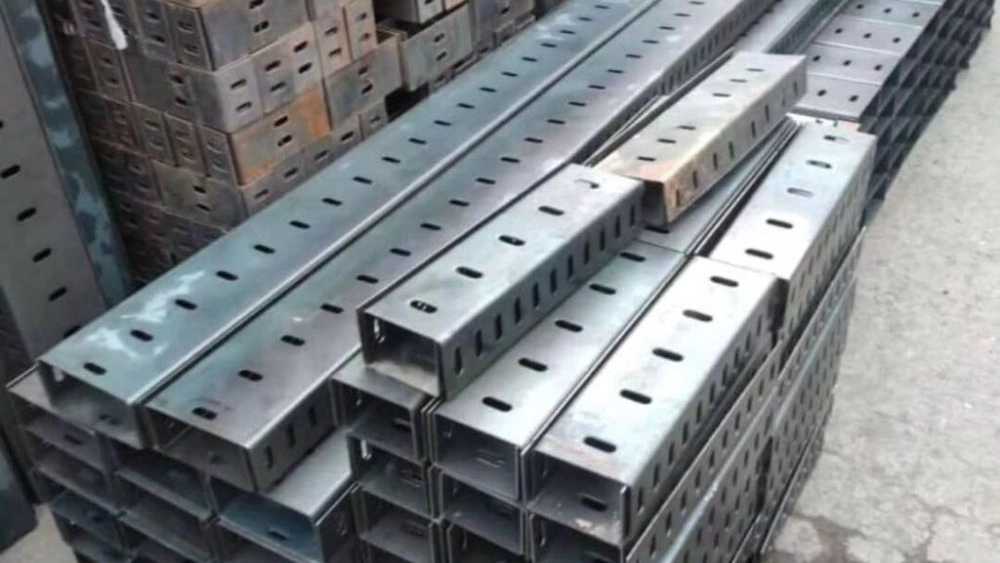
Combined Wallpost
In some cases and according to the conditions, several waders may be placed next to each other, in this situation, the simultaneous use of horizontal and vertical type in the wall is inevitable. Combined post wall is mostly used in tall towers and structures that are exposed to a lot of incoming forces to make the structure safe.
Unique features of the wallpapers
In most cases, the post wall is made of metal (steel) or concrete. Metal wallpaper is used in various forms, such as: corner, can, corner profile and stud. At the time of use, according to the application of each model, they are used in the right place and placed at certain distances. One of the main purposes of using them is to make the wall work in an integrated manner against destructive factors such as earthquakes. As mentioned, the forces are applied vertically (columns) or horizontally (beams) in the structure, and its location is connected to the wall on one side and its end to the frame.
Producing and implementing its wallpapers
In skeletal structures, wall posts are usually produced with steel materials, corner profiles, cans or studs. In general, to produce a wall post, 2 corners of 4 or 5 are sewn with the help of a rebar to the thickness of the wall. This stitching is better done in a zigzag manner. In the next step, we make all the components anti-rust and then brace the non-structural walls and blades inside. The fasteners must be correctly and appropriately engaged with other components of the upper and lower structures (beams). For this reason, we restrain it in metal skeleton by forced welding to the beam and in concrete skeleton by planting metal plates to the beam and forcing it. Likewise, we can put plates in the molds before concreting, and after concreting is finished, we use them to weld wall posts.
How to run metal wallpapers in light block
During the implementation of the metal post wall in the light blocks, in the first step, the location of the connection sheets to the ceiling and floor should be checked based on the map. Also, its location should be determined accurately. Then it should be connected by installing the sheets and forced to weld to the upper and lower sheets. After that, the block should be created on one side completely and on the other side, the wallpaper part should be created from inside the block.
The method of running the wallpapers in the concrete skeleton
To implement wall post in a concrete structure, in the first step, the location and construction of the wall post should be determined according to the plan. After that, we install the connection sheets on the floor and ceiling. Note that you have to keep the wall post installation distance empty when running the wall. In the next step, when lining up the blocks in every 2 rows, you must connect two separate walls with a fastener. After finishing the construction of the wall, we weld the sheets on the floor and ceiling using four rebars. In the next step, we use reinforcing wire and connect the rebars to the fasteners and mold the two sides of the wall. At the end, concrete is poured into the molds and at the end, after opening the molds, it is prepared and matches the thickness of the wall.