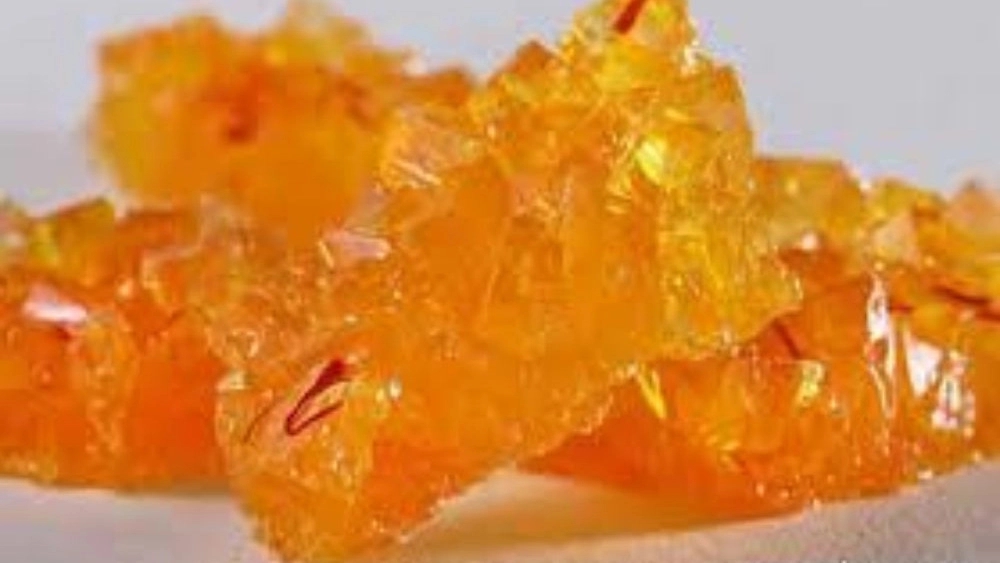
Nabat is a crystal-like sweet with a warm character, which is obtained from the combination of water and sugar. This sweet food is often found in all Iranian homes and it can be said that it is an integral part of Iranian culture. Iranians often dissolve it in hot tea and use it to relieve stomach and body cold due to its warming nature.
Candy
From a scientific point of view, nabat is a type of solid sugar that is formed from the crystallization of sugar solution in water and is known as a sweet with a pleasant and mild taste. There are different types of vegetables and they are available in the market with different types. Each type of vegetable has different characteristics and uses, which are explained below:
Candy Branch:
In this type of nabat, the process of its preparation is that thread threads are used as a base and nabat is formed on these threads in the form of crystals and long branches. This production method has turned Nabat into a type of sweet with a beautiful and attractive structure that is used in decoration and catering. Due to its unique appearance and the possibility of variety in flavors, the branch has its own attraction and is usually considered as a special and decorative sweet.
Candy -e -Nut:
Straw candy is a type of candy that has candy crystals formed on a straw and has a beautiful appearance and is also easier to use. This feature has boosted its popularity for entertaining guests as well as personal use. This type of candy is also known as lollipop. Currently, this type of candy is available in the market with a wide variety and comes in a variety of flavors. This includes white lollipop, saffron lollipop, and lollipop with different flavors such as cardamom, cinnamon, ginger, sour tea, green tea, borage, chamomile, thyme, mint, and lemon. becomes Omani.
Dental Candy (Negin):
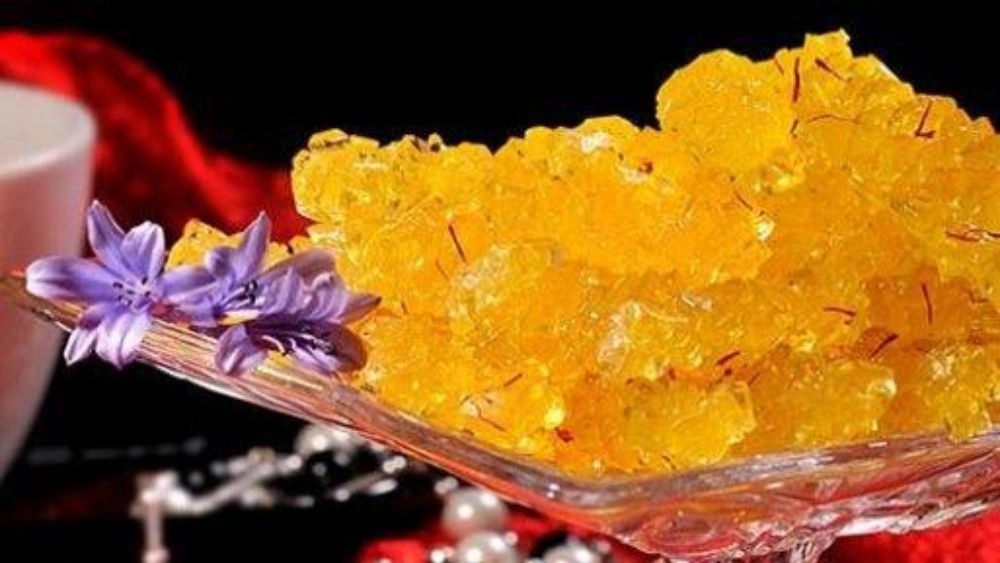
Sweet candy is the jewels of candy that are crushed into small seeds during packaging due to their high fragility. This type is usually used in domestic use and is more economical. Another advantage of this type is that it does not need to be broken before use. It also dissolves faster in water compared to sticks and branches.
Candy Boards:
Board plant or "board plant" is a type of plant that forms in the wall and bottom of the pots, and due to the high concentration of sap in the bottom of the pots, it causes the plant to turn into a dry and hard board. . This type of candy is known as another form of candy with a special and attractive appearance, and because of its high concentration, it dissolves more slowly than other types of candy, and it is usually used as a beautiful and different decoration in desserts, cakes and Sweets are used.
Candy (liquid candy):
"Plant juice" is actually the same as "spring nectar", but in liquid form. This sweet liquid is obtained from the process of crystallization of sugar in water, but its most important difference from dried fruit is that it has lost its consistency to form crystals and it does not have the ability to form crystals and gems. Also, it can no longer be used to produce dry sweets and remains in liquid form. In other words, the chemical and physical properties of cantaloupe juice are different from dry cantaloupe. Candied juice is mostly used as a decorative and sweetening element in the preparation of edible products and has a pleasant taste.
A variety of candy flavors and compounds
The use of plants to treat diseases also started in India and Iran. Fragrant, tasty and colorful plants, nuts, dried fruits, vegetables and even medicinal plants were combined with herbs and had edible and medicinal uses. Some of them were boiled with sugar solution and some were added during the crystallization process. Some flavors of sweets are still familiar to us today, such as:
- نبات و زعفران
- نبات گلمحمدی
- نبات هلدار
- نبات زجبیلی
The very good taste, the desire of people from old to young to consume cantaloupe and the healing properties of each of the plants combined with cantaloupe, made Iranian doctors recommend the use of all kinds of cantaloupe for various diseases. In the end, Nabata became a popular food and widely used medicine in Iran, and it was probably around this time in history that mothers and grandmothers turned to Nabata tea for minor and major pains in their homes.