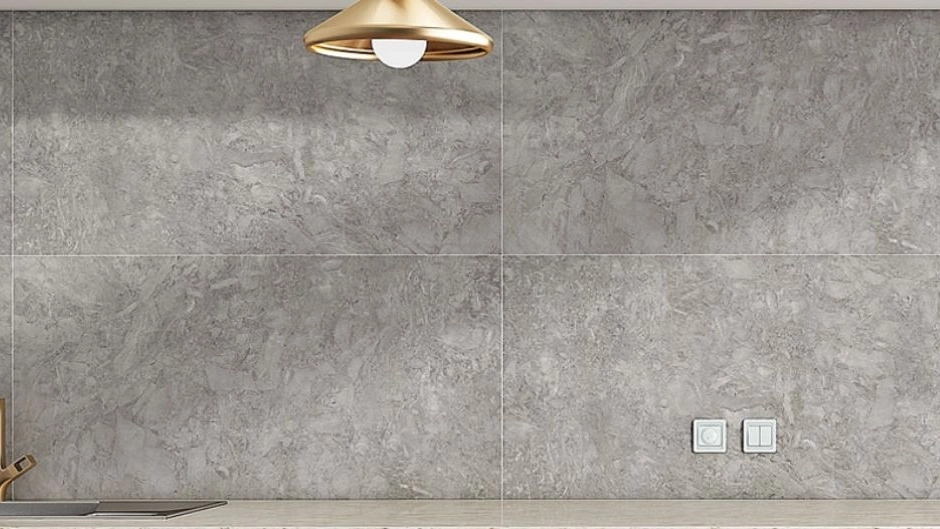
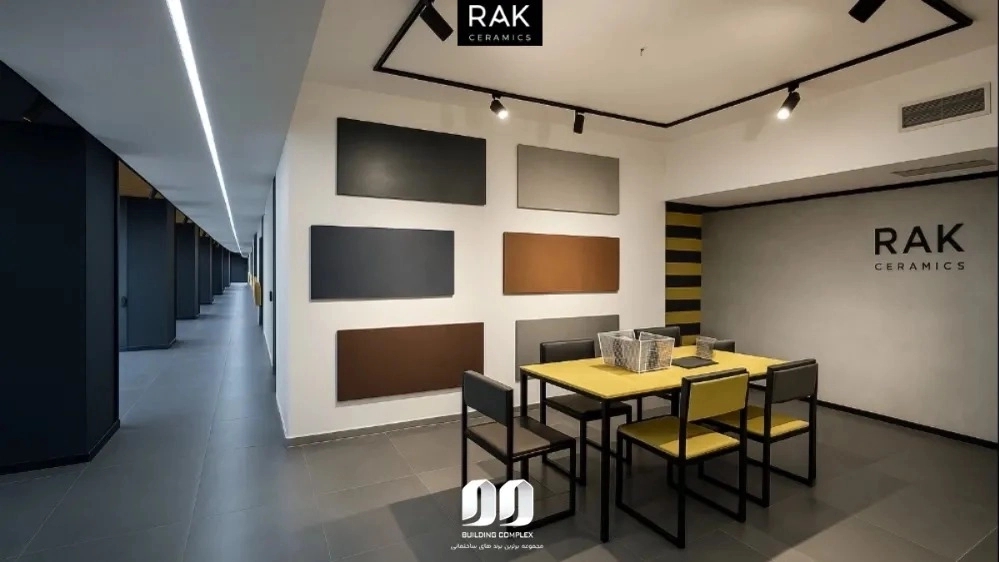
Tiles are products in the building and construction industry that are made of terracotta and ceramics, which are used in the carpentry stage of construction. Sometimes this product is also called artificial stone. Therefore, tiles are products of terracotta and ceramics that are used for Joinery and beautification of the building is used to cover the floor and wall surfaces, which is used in the joinery stage of building construction, and it is also called artificial stone.
Tile raw materials
The tile in the general and standard mode has two sections, which are described below:
1- The main body of the tile, which is the same piece of clay, and it is referred to as the skeleton of the tile, because the main part of the tile is this part.
2- The glaze and appearance on the tile, which is used for beautification, etc., is a material made of glass, and this glass is composed of materials such as glass and some metal oxides and minerals.
p>Tiles are classified into different types. The most important factor to distinguish between types of tiles is to use or not to use tile glaze. Permeability and permeability in the ceramic tile in the second stage has an effect on the classification of the ceramic tile. The type of color used to decorate the tile can be included in the original texture of the tile. The type of color used can be of different types, for example, clay or pigments, these colors are part of natural colors and are added to the clay before it is baked, and sometimes it is added to the body after baking. After adding the appropriate coloring as a glaze on the tile, it is re-entered in the kiln. Therefore, glazed tiles have more variety of colors than unglazed tiles.
Types of tiles according to the application
1) Floor tiles: There are tiles that are used to cover the floor of the building. Floor tiles should have relatively higher strength than wall tiles, the reason being that floor tiles have high friction in the vicinity, so it should be durable against wear and tear and its water permeability is relatively high. be down This is because these tiles are kilned at a higher temperature than wall tiles. In addition, floor tiles are thicker than wall tiles.
2) Wall tiles: As it was said, the temperature of the oven for baking these types of tiles is lower than the floor, so the amount of water absorption in them is relatively higher, and the glaze used in They are also more transparent due to the low cooking temperature. Water absorption in wall tiles is necessary and necessary if it is in accordance with the standards and is not considered a negative point in any way. Wall tiles should not be used for facades and exteriors of buildings because they have high water absorption. Except for special cases of tiles that have low water absorption. You can use the floor tile for the wall, but not the other way around. One example of these tiles is the three-dimensional inter-cabinet tile.
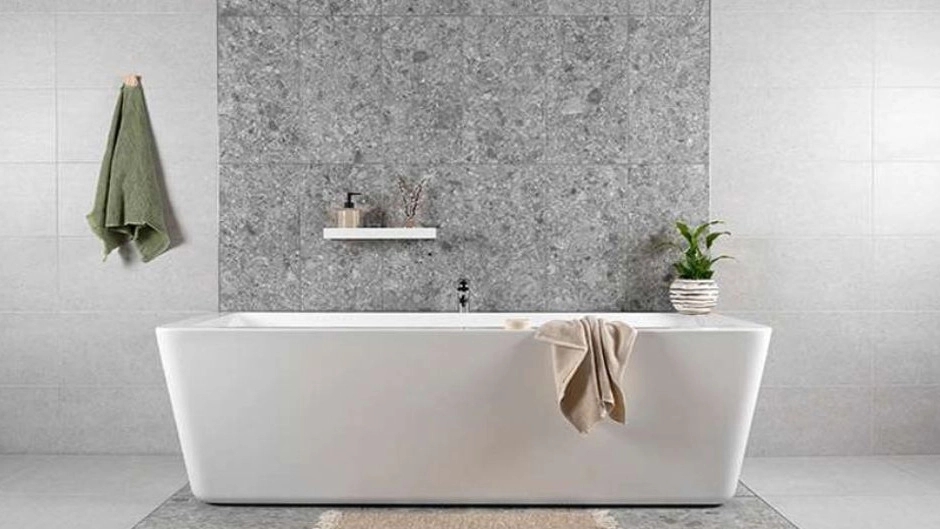
3) Porcelain tile: This type of tile is also made from white clay and baked under special conditions, which can be referred to as press pressure and high baking temperature, and the product obtained In this way, in terms of parameters such as fracture strength, wear is stronger and their permeability is much lower. This type of tile is highly resistant to frost, erosion and chemicals. Therefore, there is no problem using them in busy roads. The back of most porcelain tiles is white, but in some cases it may not be white.
4) Granite tile: A type of porcelain tile that is unglazed and polished is called granite. These tiles have high resistance like porcelain tiles and their water absorption rate is much less. Note that granite tile is completely different from granite stone.
What are tile applications?
Tile is one of the widely used materials, which, in addition to the facade of the building, is used in various parts such as toilets, bathrooms, kitchens, greenhouses, parking lots. The most important use of them is to protect the walls and floors of the building. against moisture. In health places such as hospitals or kitchens, tiles can be used as an antibacterial coating.
Tile is the only material that is used in chemical spaces, such as laboratories and factories.
Maybe many people know this material as a waterproofing material and only think of it as a bathroom and toilet. But with the progress of the tile and ceramic industry, today this building has a very wide application in other parts of the building. In addition to insulation, this glazed pottery is also used for building decoration
In the past, they were used in places such as mosques, tombs, palaces, or entrances to large markets. Its use in Islamic buildings was mostly decorative and it was used for the spiritual improvement of these buildings. But today, tile has become one of the important elements in interior decoration and we see its wider use.
Tiles are one of the most used materials for decorating the walls or floors of buildings. But it is not possible to use tiles together with other building materials. For example, you can't use paint and wallpaper from Tile. On the other hand, they have a smooth and slippery surface, and this feature is intensified by pouring water on them.