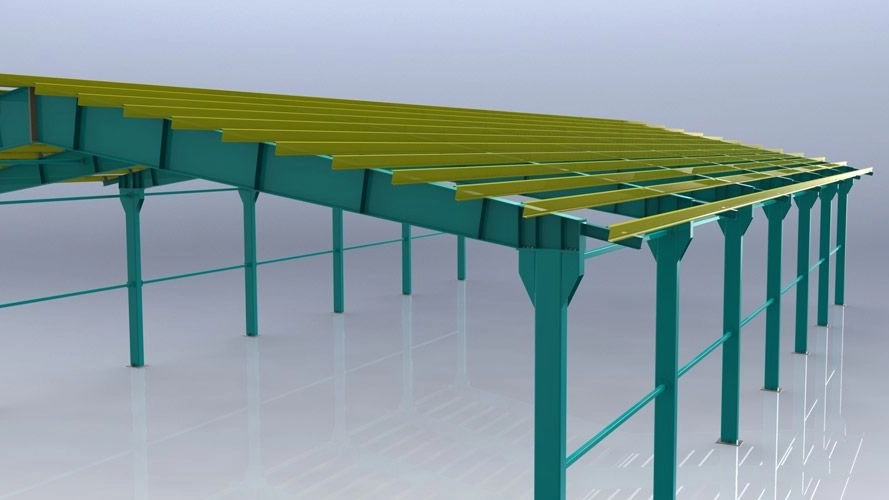
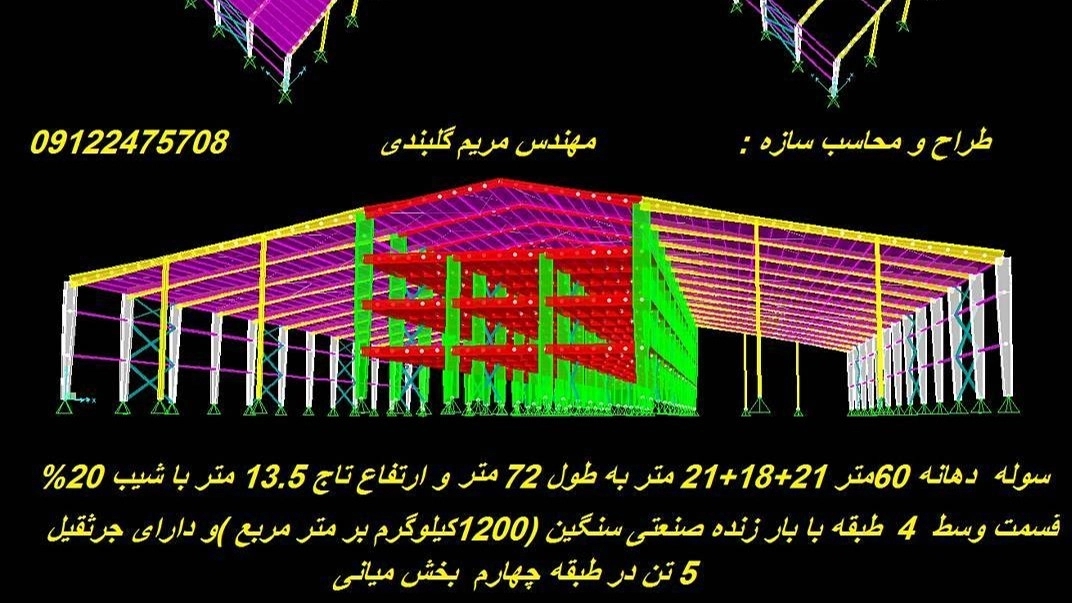
The first step in setting up an industrial factory is the construction of an industrial shed. Each industrial activity has its own set of industrial shed characteristics, which are created and used according to the intended function. The simplest to the most complex companies use industrial sheds in different ways. For maximum efficiency and productivity, several variables such as piping, air transfer systems, input loads, crane systems, etc. are considered in the design of the industrial shed based on the requirements and applications of the industry.
What is Industrial Set?
When many people hear the name of shed, they think that it was only used as a gym or a place to store products, but now it serves different purposes. But in simpler terms, industrial sheds can be defined as buildings with sloping roofs, large openings and special technological calculations. The industrial uses of these sheds include production halls, workshops, factories, halls, exhibition spaces and other places.
Types of industrial niches:
- سوله قوسی هلالی شکل
- سوله تمام قوسی
- سوله چند ضلعی
- سوله تک دهانه
- سوله دو یا چند دهانه با ستون مشترک
Industrial nest design
Designing and analyzing the industrial shed is a delicate and difficult task. Because despite the use of large and ten-ton cranes, industrial shed calculations are very sensitive.
When designing such structures, even the smallest inaccuracy creates significant risks when using cranes. Typically, a two- to three-story industrial shed structure can withstand 1,200 to 2,000 kg of load per square meter that has a medium to heavy industrial floor. This is the reason why more accuracy is used in the design and calculation of such structures.
Structural stylization serves as a basis for the work of designers in these industrial sheds. The price of designing and building an industrial shed is greatly reduced if this method is done correctly. On the other hand, when designers lack the necessary expertise to design an industrial shed, construction costs increase significantly.
Niche
Before building construction structures and industrial sheds, it is necessary to design the shed and its technical calculations first. So that the foundation and structure have enough resistance and strength along with economic calculations. Then the design and execution plans of the shed should be prepared.
Therefore, in order to build a factory, design a shed plan. In order to get a building permit and permit to build a shed, first of all, the design of the factory, calculations of the shed, and then the drawing of the shed should be done.
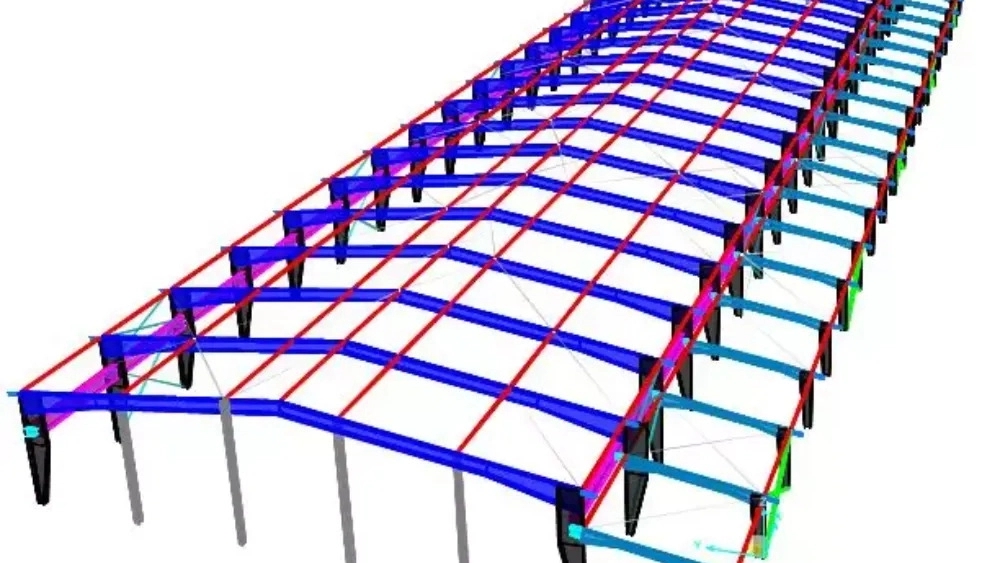
In short, the shed design is a process during which the architect engineer the architectural and facade plans, the structural engineer the foundation plans, the skeleton plan and the shed calculation book (structural plan and shed calculations) and the electrical and mechanical engineer the wiring plan and the ventilation plan. and provide mechanical facilities.
The collection of these maps is called a shed map, which must be delivered to the licensing authority after issuing the map order to obtain a permit. Paying attention to the design of the shed, in addition to increasing the quality and life of the structure, also helps us in estimating the construction cost and estimating the price of building the shed.
Structural design
According to the order of the map and the permitted occupancy level, the architect draws the architectural plans of phase one and delivers them to the accounting engineer. According to the architectural plan, the structural engineer starts calculating and designing the shed. In large and complex projects, conceptual design and phase zero are usually done before these stages.
is done on the shed. Finally, the foundation plan of the shed, as well as the plan of the skeleton of the shed, along with the calculation book, are prepared by the structural accountant engineer. The calculation of the industrial shed has many details that we have described below. So that you can enter into a contract for the shed design with sufficient information. Our consultation is free and you can contact us if needed.
Design and calculate industrial niches
An optimal, correct and principled shed design and calculation is very effective in reducing costs and preventing problems during construction. For the design and calculations of light and economical shed, the accountant must have enough experience for optimization. Also, industrial shed calculations can be stylized by following some points.
Although the truss shed calculations have their own specific details, their implementation requires a more experienced builder. Calculating the truss shed and optimizing it is a little more time-consuming. But sometimes the result will be economical and cost-effective. Determining the correct cutting method of sheets and irons in a way that has the least deviation is very effective in the cost of building the shed frame. In addition, using the minimum thickness of the sheet in such a way as to provide proper endurance against the incoming load reduces the cost of the shed skeleton.
With the same tariff, the calculation of the shed can be done easily and optimally. However, if the client is willing, it is possible to stylize the shed to a maximum extent by paying a small fee. All the optimization details can be recorded in the shed calculation book. But this is the shed calculation map that will contain the details of the optimal and light shed construction. The purpose of light shed calculations is to comply with all standard criteria in the calculation and design, and to optimize the weight and consumption of iron.
Niche
Shell calculations are based on a set of standards and regulations for the design of structures. For this, in Iran, internal standards and national building regulations are usually used, which are as follows:
The sixth topic of national building regulations (loads on the building: wind, snow, dead and live load of the shed)
Standard 2800 (design of buildings against earthquakes)
the ninth topic of the National Building Regulations (design and implementation of concrete structures)
the tenth topic of the National Building Regulations (design and implementation of steel structures)< br>
Publication 325 (design and implementation of industrial halls)
In some projects, international building and structure design standards and regulations, for example AISC360 and ASCE7, are used instead of internal standards, regulations and regulations. This issue is more relevant for the construction of sheds in open areas or abroad. Construction of sheds in neighboring countries is usually done according to international standards.