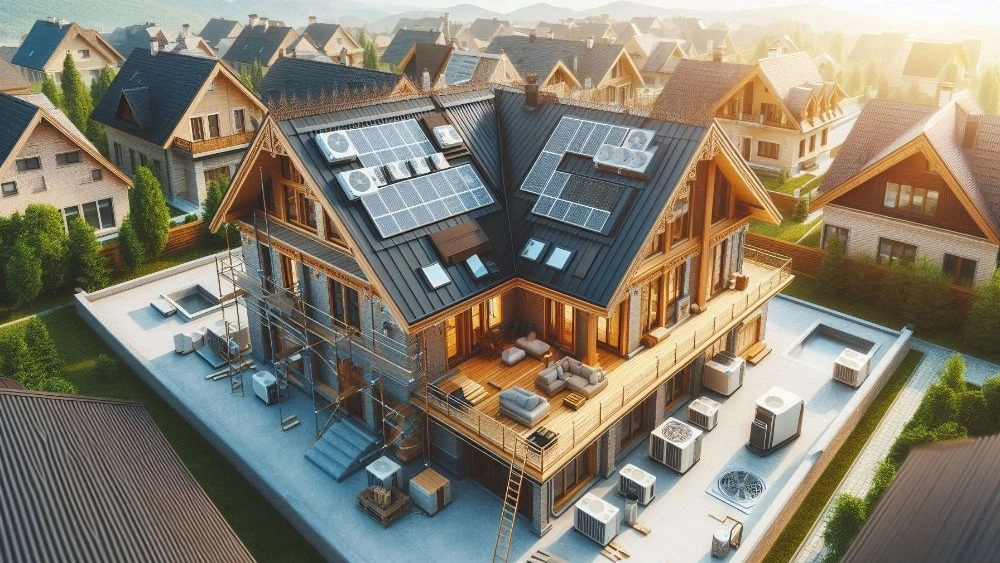


Cooling systems are used to reduce temperature and create cooling in an environment or space. These systems operate by transferring heat from one place to another and can generally be divided into two main categories:
1. Active Cooling Systems:
Active (mechanical) systems flow through a fan on the pad or damp membrane. Here are some examples of active evaporative cooling systems, including water cooler, Slinger cooler, mesh and the like. Subsequently examined the inactivated direct evaporative cooling systems.
Gas Cooler (Split and Window):
These systems circulate the refrigerant inside the coils using the condensed refrigeration cycle and cool the air by evaporation and condensation. The most widely used cooling system in homes and buildings is
Chillers:
Chillers are larger devices that cool water and this cool water is used to cool large spaces such as commercial, office and industrial buildings. Chillers usually work in combination with fancies or air conditioners.
Heat pumps:
These systems can be used for both heating and cooling. In cooling, the heat pump reduces ambient temperature by transferring heat from the inside to the outside.
Central air conditioning systems
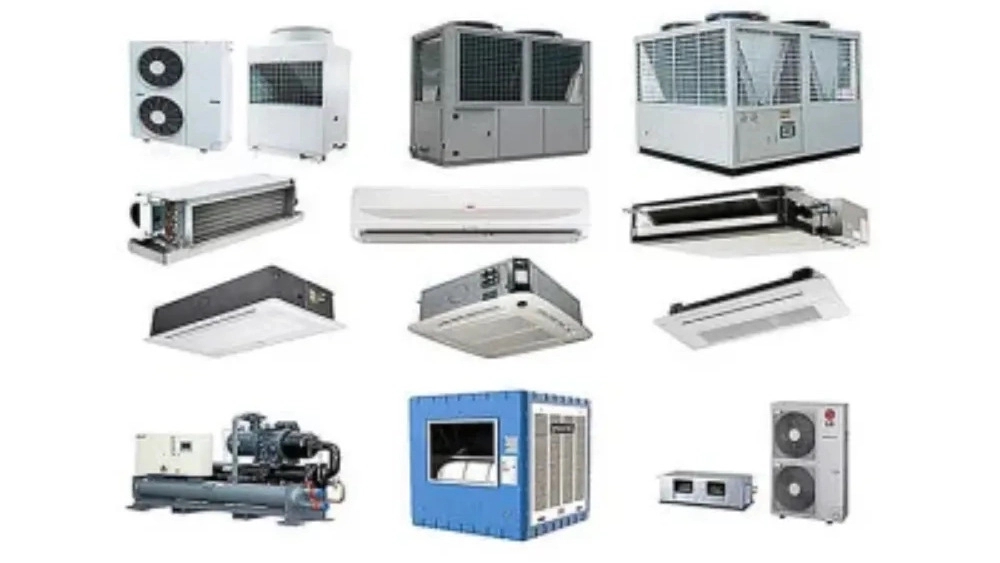
These systems include a central unit (such as chiller or heat pump) and a network of air canals that transmit cool air to different parts of the building.
Evaporative Cooler (Blue):
These coolers cool the air by evaporation. Water coolers are popular in hot and dry areas due to lower energy consumption and lower price.
2. Disable Cooling Systems:
Disable systems do not have fan and air flow is either naturally or by combining with some other systems such as solar chimney, windmill, ventilation wall, and so on. In these types of systems, a significant portion of the energy required is usually provided by renewable resources.
Natural ventilation:
can naturally reduce ambient temperature by using airflow, shadowers, proper design and use of cooling materials.
Shadowers:
by creating a shade, prevent direct sunlight from the building and help cool it.
Insulation:
Using thermal insulators, prevent heat transfer to the building and help maintain the optimal temperature.
Tips on Cooling Systems:
Selection of the right system: Selection of the right cooling system depends on a variety of factors such as weather conditions, space dimensions, budget and personal preferences.
Energy efficiency: When choosing a cooling system, pay attention to its energy efficiency to save power consumption.
Maintenance and repair: to maintain optimal cooling, maintenance and repair performance. It is essential.