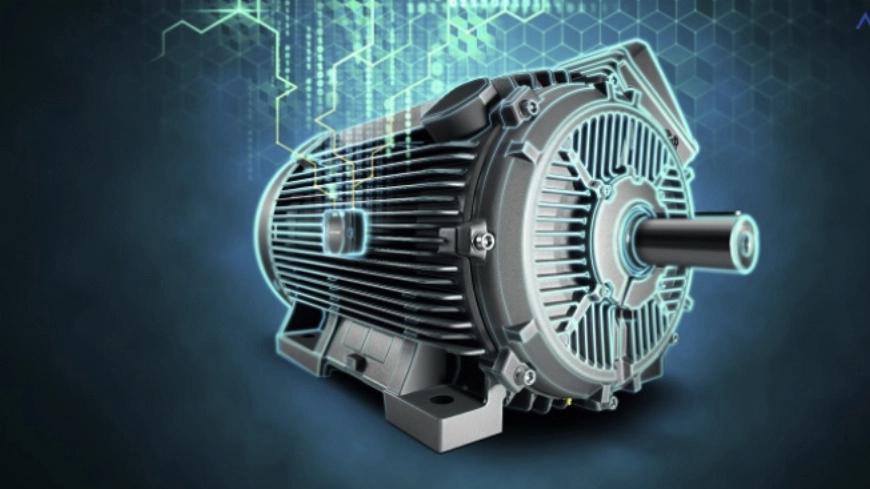
The electromotor plays a key role in our daily industries and life. This small and widely used device, by converting electrical energy to mechanically, causes multiple machines and machines to move; For this reason, it can be said that not only in the industry, but also in everyday life, electromotors are crucial.
What is an electric motor?
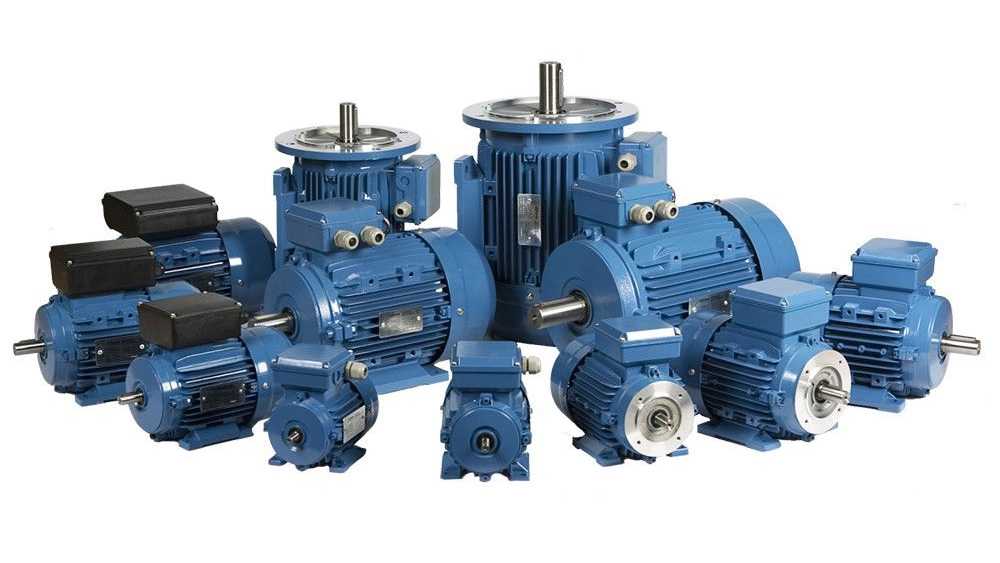
What are the types of electric motors?
electromotors are divided into two main categories:
- AC electric motors
- DC electric motors
Each of these categories is also divided into different subdivisions:
AC electric motors
AC electromotors (alternating current) are a type of electric motors that work using alternating current. These engines are mostly used in heavy industries and industrial machinery. The most important types of these engines are:
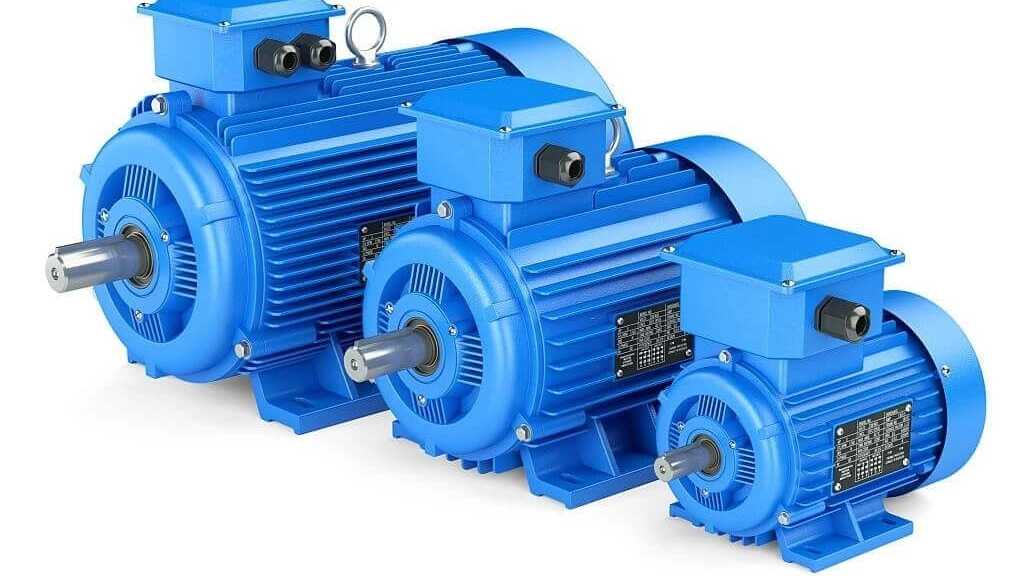
1. Synchronous motors
synchronous electromotors are engines in which the rotor rotation speed is equal to the frequency of the power current. These engines are suitable for applications that require constant speed, such as pumps and compressors.
2. Asynchronous motors (induction)
Asecron or induction engines are the most widely used type of AC engines. These engines are used in many industrial and domestic applications because of their simple structure and lower cost. Induction engines are divided into two single -phase and three -phase categories.
3. Single phase motors
These engines are mostly used in home appliances such as refrigerators, air conditioners and fan. Due to less power than three -phase engines, they are suitable for lighter applications.
4. Three-phase motors
Three -phase induction engines are used in larger industries. These engines have high performance and power and will be used in industrial machinery and production lines.
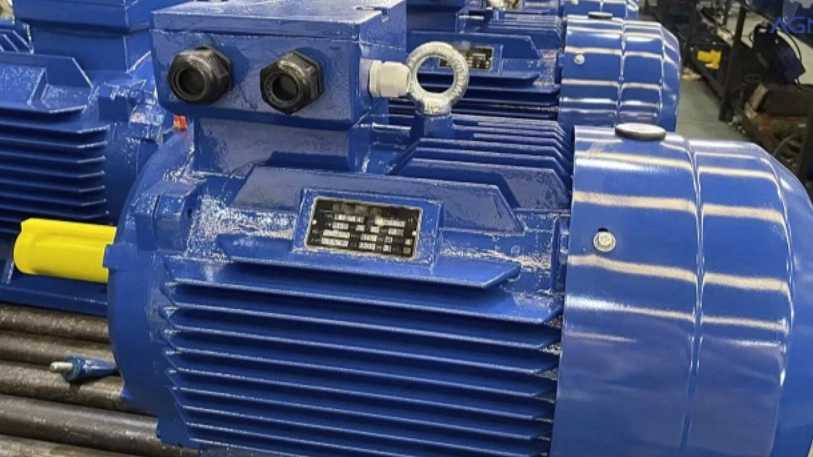
DC electric motors
DC electromotors (direct current) are engines that work using direct current. These engines are mostly used in applications that require accurate speed and torque control. Types of DC electromotors are:
1. Series engines
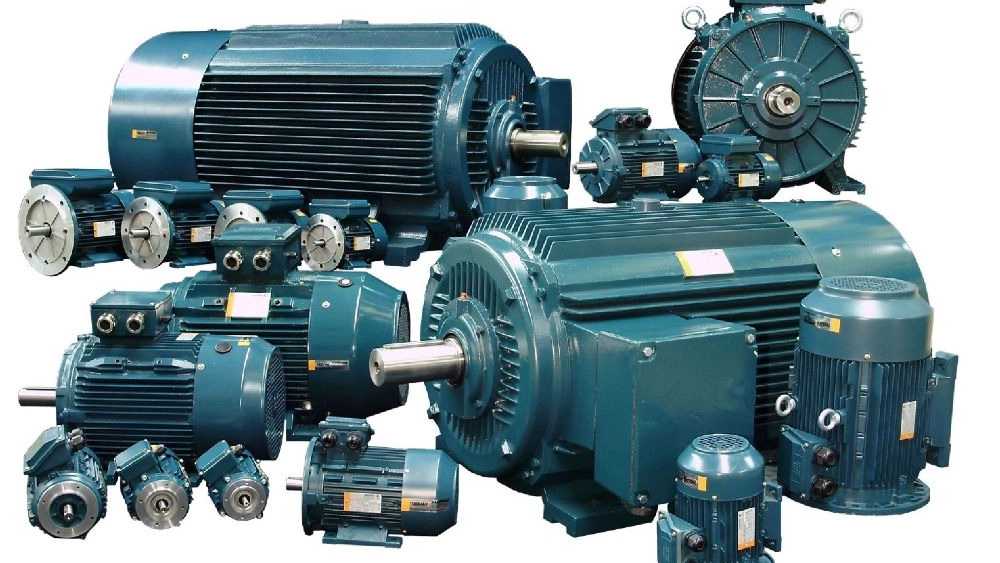
In this type of engine, the current flows into the rotor coil and the stator. These engines are capable of producing high torque at low speeds and are used in cases such as electric trains and electric cars.
2. Shunt motors
in the sand engines, the rotor coil and the stator are parallel to each other. These motors have precise speed control and will be suitable for applications such as welding machines and printing machines.
3. Compound engines
Composite engines are a combination of series and sand engines. These engines have the characteristics of both types and will be used where both high torque and speed control are required.
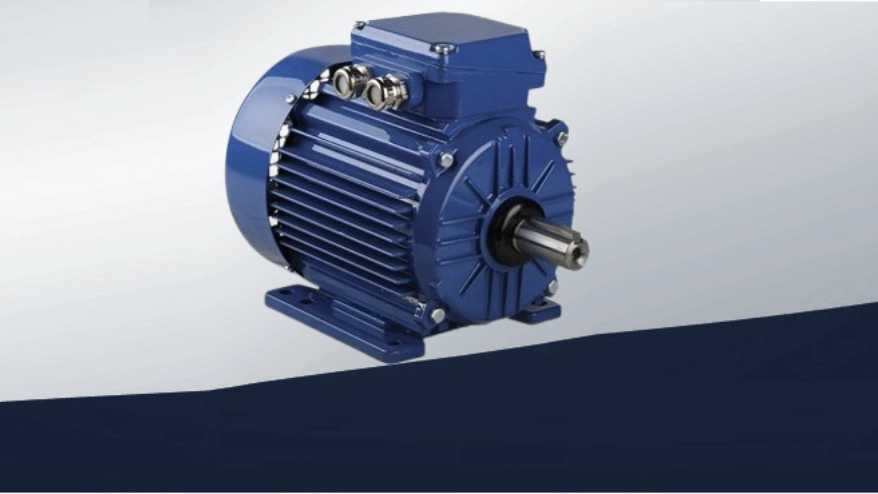
Universal engines
These types of engines are capable of working with both AC and DC currents. Universal engines are mostly used in home appliances such as vacuum cleaners and drills because they have high speed and low weight.
Electric motor repairs and maintenance
It is essential to extend the useful life of electromotors, regular maintenance and periodic services of this equipment. Some of the important points in this regard are:
- Regular replacement of bearing oil and grease: This will reduce friction and extend the useful life of the motor.
- Periodic inspection of the windings: The windings should be checked regularly to ensure that they are not damaged or burned.
- Cleaning the internal parts: Regular cleaning of the internal parts of the motor will help prevent clogging and reduce friction.
It should be noted that in order to optimize the performance of the electromotors, tips such as using appropriate equipment, regular maintenance and preventing additional loads should be considered. Reducing energy consumption and increasing productivity can significantly reduce operating costs.
Electromotors play a significant role in the industry and everyday life, and with technological advances, their role will increase in the future. Proper selection and proper maintenance of electromotors can help extend their useful life and improve the overall performance of industrial or home systems. In this article, you can read more about the storage of industrial electromotors.