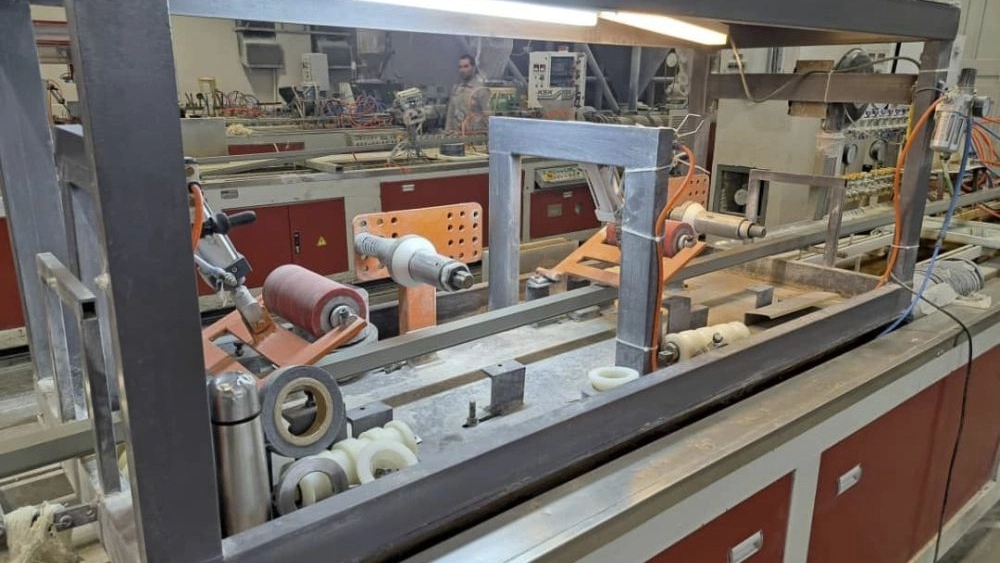

The current state of textile industries in Isfahan
The Role of Modern Technology in Optimizing Production Lines
The use of modern technology such as numerical machinery (CNC), robotics, artificial intelligence systems and industrial automation significantly optimizes the process of fabric production, yarn and other textile products. These technologies lead to reduction of waste, increased accuracy, more accurate quality control, and reduced human resources.
Industrial Automation in Textile Industries
Industrial Automation plays an important role in optimizing the production lines of modern textile industries in Isfahan. With the help of advanced sensors, stimuli and controllers, duplicate and precise processes are performed without manpower intervention. This improves speed, reduces human error and increased overall efficiency.
Artificial intelligence and machine learning
Another new approach in the textile industry is the use of artificial intelligence algorithms. By analyzing production data, the devices can be automatically adjusted to keep the quality and productivity at the desired level. Artificial intelligence even provides the ability to predict failures and preventive repairs.
Benefits of Optimizing Production Lines with Advanced Technology
1. Production speed increase One of the main advantages of optimizing the production lines of modern textile industries in Isfahan is the significant increase in production speed. Automated machinery can work without interruption and with the least stop, thus increasing daily production.
2. Reduction of energy consumption Many modern textile equipment has designs that minimize energy consumption. Reducing energy consumption not only reduces production costs but also has many environmental benefits.
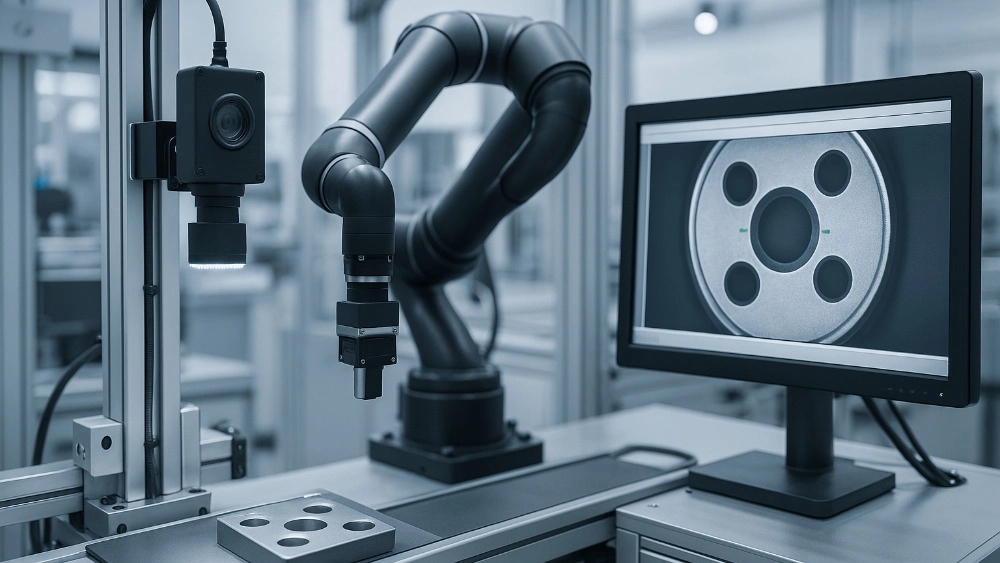
3. Reduce waste and increase quality New technologies allow accurate control over each stage of production. Using inspection cameras and digital quality control systems, the production of defective product can be prevented and thus minimizes waste.
4. Flexibility in Production New machinery can be adjusted to produce different types of fabrics with a variety of designs and textures. This is very useful for factories looking for diversity in products.
Challenges to implement modern technology in Isfahan textile industries
Despite the many benefits, the full implementation of modern technology in the textile industry also has challenges. One of these challenges is the high cost of buying and installing new equipment. Also, the need for a trained workforce to work with advanced devices is another significant problem. Meanwhile, companies that provide specialized engineering services play an important role in the transition to successful technology.
One of the most prominent and reliable brands is Maham FidarParseh Company in the direction of optimizing modern technology in Isfahan. This complex has been able to help many textile factories in Isfahan by providing specialized services in the field of advanced textile machinery.
Maham FidarParshow Services in the field of production line optimization
In recent years, several large textile factories in Isfahan, in collaboration with Maham FidarParshseh, have optimized the production lines of modern textile industries in Isfahan. These projects have shown how technological upgrades can increase profitability and competitiveness. For example, one of the textile factories in the Jay Industrial Area was able to increase its monthly production by up to 5 % after replacing older machinery with new automation systems.
The future of textile industries in Isfahan with modern technology
Summary Today, given the increase in competition in global and domestic markets, the textile industries in Isfahan must optimize their production structure using advanced technologies. This transformation not only contributes to increased productivity and cost reduction, but it will also improve product quality, reduce waste and develop export markets.