
To stay or leave for the next generation
Diesel generator confrontation with new energy
Despite the global need for sustainable energy sources, diesel generators have become more and more under the pressure of environmental groups and legislators. Even if they are unrivaled in many emergency and industrial situations, their impact on air pollution and audio cannot be ignored.
This fact has led many to believe that the life of diesel generators is coming to an end. But the substantive difference between the use of generators (usually for backup or emergency electricity) and renewable energy systems (designed for network base electricity) should also be considered. Comparing them, technically, is not always fair.
Emission regulations and economic pressure
One of the most important factors affecting the future of diesel generators is pollution regulations. The new standards, especially the fifth phase of emission control (Stage V), have led manufacturers to invest in expensive post -Safeguards technologies. These technologies not only increase the cost, but also make competition harder for diesel generators; Especially against renewable energies whose costs are constantly reducing.
Adaptation and change in business models
Diesel generator and technical productivity
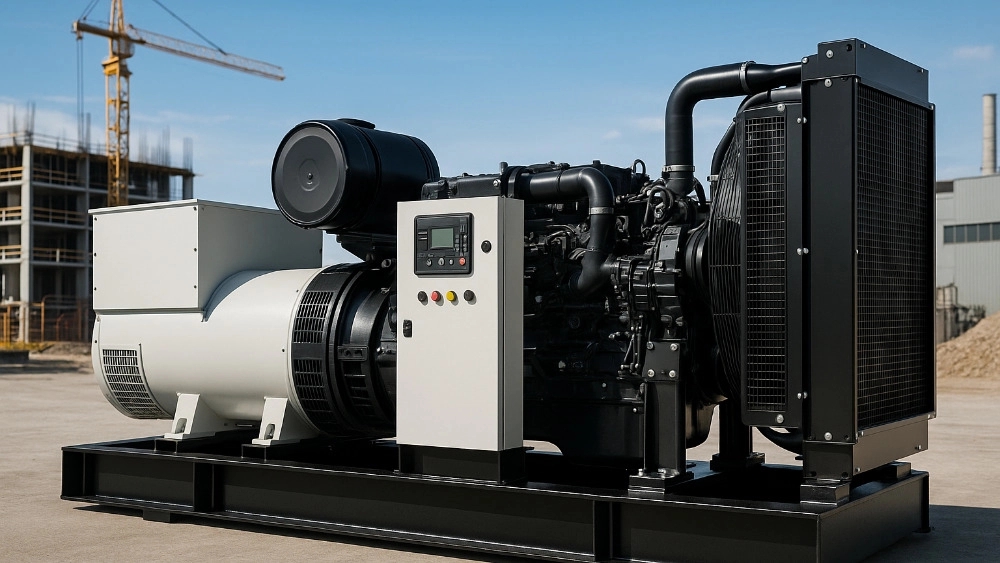
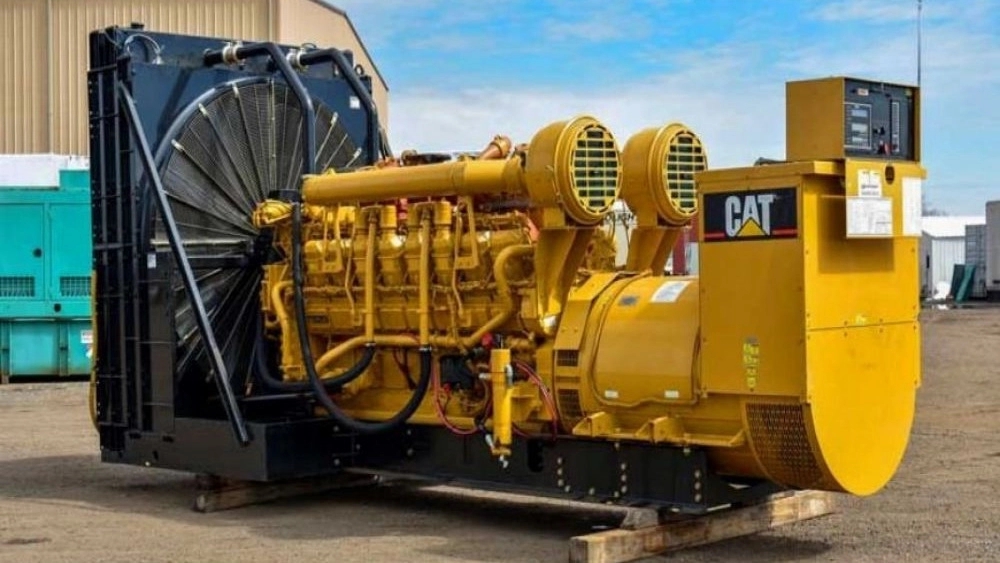
From a technical point of view, diesel generators still have benefits. Their fuel efficiency is higher than gasoline; Due to the compression of air and higher combustion temperature. Also, diesel fuel volume is higher than gasoline, which results in higher energy efficiency per liter.
modern diesel engines use direct injection systems and electronic motor management, which makes it possible to control both more accurate control and reduction of consumption and emission.
Conclusion: Staying or going?
The future of diesel generators will neither lead to complete elimination, nor permanent domination. Rather, their future path lies in "matching": adapting to new technologies, reducing pollution, and combining clean energy. In applications that require sustainable, rapid, and independent electricity, diesel generators still play a vital role - especially in large industries such as mines, hospitals and construction projects. But their survival will depend on the amount of adaptation to new rules, technological innovations, and the gradual acceptance of more sustainable solutions.