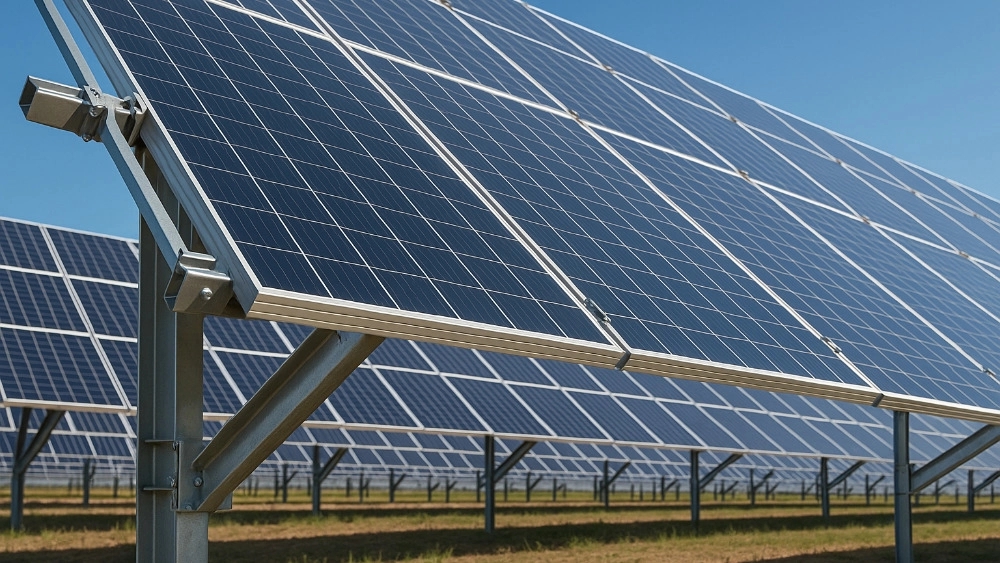

A solar design with engineered design and high construction quality guarantees maximum efficiency, longevity and entire system safety. In fact, investing in a standard solar structure means protecting your original investment, the expensive photovoltaic panels. In this article, we will comprehensively examine the types, design, importance and key points in the selection and implementation of solar structure, and we will highlight the role of leading manufacturers such as Roll Forming Tabriz Industry in promoting the quality of this industry.
Why is solar Strackle so so important?
The importance of a solar structure can be summarized in several key parts. Without a suitable backup structure, solar panels are defenseless against environmental factors and lose their performance.
Protection and Safety: The main task of solar structure is to maintain safe panels against natural forces such as wind, snow, rain and even earthquakes. A weak structure can lead to fractures of the panels, the fall, and the irreparable financial and financial damage. The engineering design of these structures must be based on loading bylaws and regional standards to ensure the stability of the system in the most difficult weather conditions.
Angle and directional optimization: The amount of energy produced by a solar panel depends directly on the angle where the sunlight shines on its surface. Solar structure allows the panels to be installed at the optimal angle (Tilt) to the ideal horizon and direction (usually facing the south in the northern hemisphere). This precise adjustment maximizes energy absorption during the day and different seasons of the year and dramatically increases the efficiency of the entire power plant.
Increased System Life: Solar panels are designed for more than 5 years. A quality solar structure, made of corrosion -resistant materials such as hot galvanized steel or anaded aluminum, guarantees that the backup structure also lives on the foot of the panels and does not have early burnout.
Cooling Panels: Increasing temperature reduces the efficiency of solar panels. The correct design of the solar structure by providing the right distance between the panel and the lower surface (such as the roof or the ground) allows the air to circulate and help the panels cool. This suitable ventilation prevents the decline of efficiency caused by overheating.
Types of Solar Stracks Based on Application
Fixed-tilt solar strata: in this system, the angle of the panels remains constant once at the time of installation. This is the simplest and most economical option for ground power plants.
Tracker or Tracker: These advanced systems, using smart motors and sensors, move panels throughout the day to follow the sun's path to the sky. Although they have a higher initial cost, they can increase energy production by between 2 % and 5 % depending on the type of detector (single or two -axis). Designing and manufacturing precise and durable parts for these moving systems requires advanced manufacturing technologies such as roll forming.
1. Solar Strappings (rooftop)
Installation of solar panels on the roof of residential, commercial and industrial buildings is one of the most common uses. The design of the solar ceiling solar structure comes with its own challenges. The most important point in this type of installation is the maintenance and sealing of the roof as well as the correct distribution of load on the structure of the building.
sloping ceilings: for sloping ceilings such as clay ceilings or shingles, special rails and stands are used directly to the beams or roofs. The panels are mounted in parallel with the roof slope.
flat ceilings: on flat ceilings, solar structure is designed as a sloping frame to reach the optimal angle. In this case, to counteract the wind force, the concrete weight is used to prevent the roof and damage to the moisture insulation. Or, in other cases, the structure with mechanical connections is inhibited to the main skeleton of the building. Lightweight, yet solid profiles play a key role in the success of these types of projects.
1. Solar Stracks as a Carport Canopy
This clever solution doubles the use of space. By installing solar panels on a canopy structure in the parking lots, in addition to producing clean energy, a shade is provided for cars. These structures can also be connected to electric car charging stations. The design of solar structure for this application requires precise structural calculations for the weight of the panels and environmental loads and is usually used for powerful steel profiles for large openings.
Key Role of Roll Forming Process in Solar Strack Production
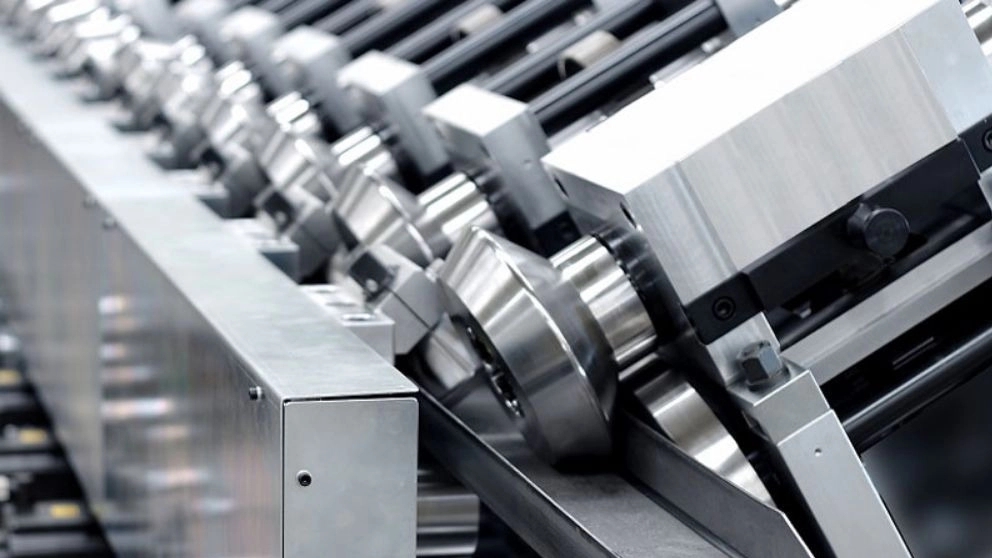
The quality, accuracy and durability of a solar structure depends heavily on the manufacture of its components and profiles. In the meantime, the Cold Roll Forming process is recognized as the most efficient and optimal method for mass production of profiles needed in the solar industry.
Roll forming is a continuous process in which a metal sheet (usually galvanized steel) passes through a set of rotary rollers and gradually becomes the desired cross -section. This method has numerous benefits for solar structure production:
High precision and uniformity: Unlike other methods such as Press Berke, roll forming profiles with completely identical dimensions and very low tolerances produce long lengths. This precision is critical for the quick and hassle -free assembly of structures at the project site.
High Weight Strength: The cold work process in roll forming enhances the strength of the steel yield. This means achieving stronger sheets with lower sheet thickness, resulting in a lighter and more economical solar structure.
High production speed and low cost: Roll forming is an automatic and continuous process that allows for high volumes of profiles in a short time. This high speed reduces production costs and makes the cost of solar structure more competitive for the end consumer.
Flexibility in Design: This technology can produce complex and customized sections designed to optimize the structure and ease of installation. The possibility of creating the necessary perforations and grooves during the process eliminates the post -production steps and increases the assembly speed again.
Roll Forming Bahman Industry Tabriz: Pishtop in Standard Solar Stranger Production
In the Iranian market, Tabriz Roll Forming Company, relying on modern technical knowledge, advanced machinery and long experience in the metal formation industry, is recognized as one of the leading and reliable manufacturers in the field of solar structure profiles. With a deep understanding of the needs of the photovoltaic industry, the company offers products that have all the features of a standard structure:
Using hot-dip galvanized sheets: The company's products are manufactured with high zinc, which guarantees maximum resistance to corrosion and rust, even in humid and corrosive weather conditions. This feature extends the longevity of solar structure to more than 5 years.
Custom Design and Production: Tabriz Bahman Roll Roll is capable of producing a variety of C, U, Z, Sigma and Profiles required by designers and executives of solar projects with great accuracy and quality. This flexibility helps to optimize the design and reduce the project's final costs.
precise quality control: All production steps, from the entry of the initial sheet to the final product packaging, are monitored and controlled to ensure that each piece of solar -manufactured solar is in accordance with national and international standards.
Selection of Tabriz Bahman Roll Forming Products for Your Solar Stratro Project means choosing quality, durability, speed and finally, relaxing for a long -term investment.
Processes of Designing and Implementation of a Solar Stratulator Project
Conclusion: Finally, it must be admitted that the solar structure is not a consumer or sub -component in a photovoltaic system, but rather the spine and its main foundation. Ignoring the importance of quality and engineering in this sector can endanger the entire investment and greatly reduce the efficiency of the plant. A good -natured solar structure not only guarantees the safety and stability of the system for decades, but also helps maximize energy production by optimizing the angle of radiation.
With the advancement of manufacturing technology, especially with the expansion of the use of roll forming, today, it is possible to produce lighter, more durable and economical structures than ever. Companies such as Bahman Bahman Roll Forming Tabriz play an important role in promoting the quality of solar energy projects in the country by providing standard and high quality profiles. Therefore, when planning for your solar project, whether on a small home and large -scale power plant, remember that choosing a suitable solar structure is not a cost, but a clever investment to ensure the future of clean energy.