
The importance of using aluminum melting furnace in the metal industry
At this point, Aluminum furnace plays a vital role. Without a suitable furnace, temperature control, metal purity and final quality of the product are not possible.
How the aluminum melt furnace works
Melting temperature and thermal process
Aluminum melting temperature is approximately 660 degrees Celsius. To reach this temperature, the furnace uses a heat source that can be natural gas, electricity or liquid fuel.
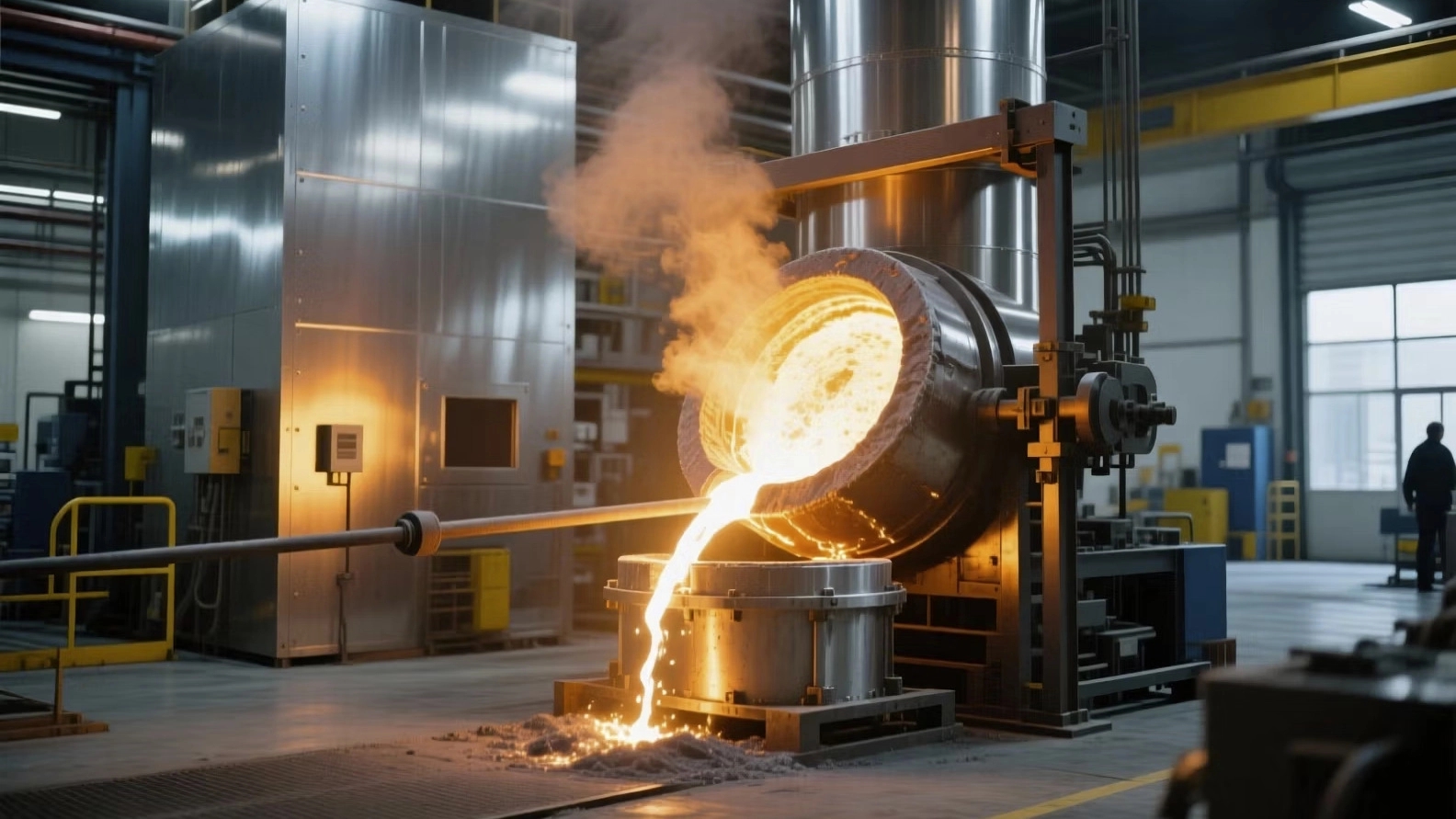
In aluminum melting furnace , the solid metal is first placed in a special plant or pan, the heat is constantly applied to reach the melt. The gross material is then separated from the molten surface and the pure metal is prepared for casting.
The control and adjustment of heat
heat control in these furnaces is very important. If the temperature is higher than the standard, the crystalline structure of the metal changes and its mechanical resistance decreases.
new furnaces have a digital thermocouple system that adjust the temperature precisely and this also reduces energy consumption.
Aluminum furnace
1. Flame furnace (gas)
These types of furnaces use natural gas or liquid gas to produce heat. Its features include fast launch, low cost and easy maintenance.
Aluminum melting furnace is commonly used in medium or small workshops.
2
The induction furnace uses the magnetic field to create a flow inside the metal. This method is very precise and fast, as it directly converts electrical energy into heat inside the metal.
Induction furnaces are widely used for melting high purity, especially in the aerospace, automotive and aluminum casting industries.
3. Resistant (electrical) furnace
In these types of furnaces, electrical energy is converted to heat through thermal elements. Although their power consumption is high, they are more accurate than gas furnaces.
These furnaces are used to produce aluminum sensitive parts or research operations.
4. Rotary furnace
Rotary Aluminum Melting Furnace has a cylindrical body that continuously rotates the melt.
its key advantage is the uniform melting and the appropriate combination of different alloys. In the recycling industry, this model is widely used.
The main uses of aluminum furnace
1. Automotive Industry
Aluminum is used in the production of body, wheels, motor parts and cooling systems.
Aluminum Melting Furnace In automotive factories, specific alloys are produced.
2. Aerospace Industry
Due to the need for low weight and high resistance, the aerospace industry uses high purity aluminum.
Induction furnaces play a key role in the industry.
3. Recycling Metals
One of the most important advantages of aluminum is its 100 % recovery.
In the recycling process, metal scrap is melted in aluminum melting furnace to re -convert it to bullion or industrial piece.
4. The packaging industry and home appliances
Aluminum sheets, beverages cans, packaging foil and even home appliances are all produced through the process of melting aluminum.
The benefits of using aluminum melt furnace
Difference of aluminum furnace with other metal furnaces
The operating temperature of the aluminum furnace is lower than the smelter or copper furnace.
Therefore, the insulation and heat control system should be designed more accurately to prevent metal burning or oxidation.
Also in aluminum melting furnace usually use special refractory coating with high chemical resistance.
Technical tips in installation and maintenance of aluminum furnace
- Before launching, the complete health of the internal insulation must be ensured.
- The ventilation system must be active so that hot gases and vapors can be removed from the environment.
- In inductive furnaces, coils should be regularly washed and tested. Prevent.
Common defects and methods of removing them
- Moltening Oxidation: caused by long contact with air; Solution of Protective Gas or Coating Materials.
- High impurities: Due to the use of contaminated scrap; It is eliminated by cleaning the raw materials.
- thermal drop during discharge: due to inappropriate design of the duct or refractory layer inside the furnace.
Regular maintenance and weekly review makes the function Aluminum melting furnace remain in the long run without quality loss.
Aluminum furnace design standards
Furnaces must be designed in accordance with international standards, such as:
- ISO 13577 for industrial thermal equipment
- Din EN 746 for thermal process safety
- National Iranian Standard 5852 for Induction and Resistance Furnace
Observing standards guarantees security, product quality and reduced energy consumption.
Short Introducing Lushan Alireza Automotive Relief and its Relation to Industry
may not be at first glance at the aluminum furnace and automotive relief services, but both are active in technical and industrial services.
Lushan Alireza Car Relief As it is on the roads, it provides professional relief services in accordance with the technical principles and speed of operation.
As a result, the combination of technical knowledge and performance speed is the subscription point of these two areas.
A site such as Lushan Alireza Automotive Relief shows the expertise, accuracy and service in any industry is the basis of progress and trust.
The future of aluminum furnace in modern industries
In the near future, the global trend is moving towards the use of clean energy and intelligent control systems.
new furnaces are capable of connecting to industrial Internet (IIOT) and instantly record and analyze melting and temperature data.
These technologies reduce production costs and increase productivity.
are also developing projects that use solar energy to melt aluminum.
soon, solar aluminum melting furnace can replace traditional methods.
Safety tips in working with aluminum furnace
Observing these points not only technically, but also for the health and safety of employees.
Conclusion
In a general conclusion, it can be said that Aluminum furnace is one of the key equipment of any casting or recycling plant.
Select the right type of furnace, precise temperature control, use of high quality raw materials, and observance of safety standards determine the final quality of the alloy.
Development of technology in this field has led to a significant increase in aluminum production efficiency in Iran.