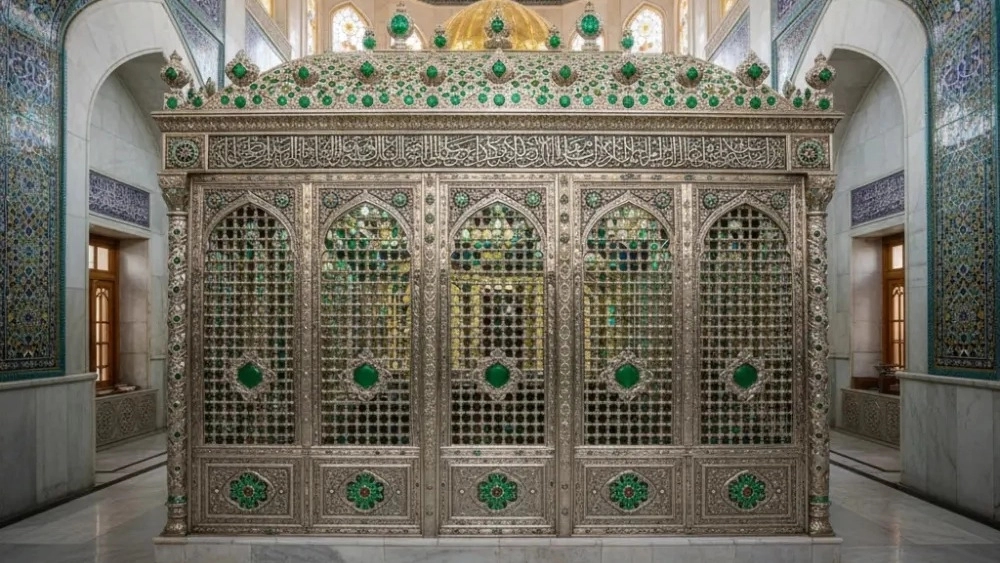
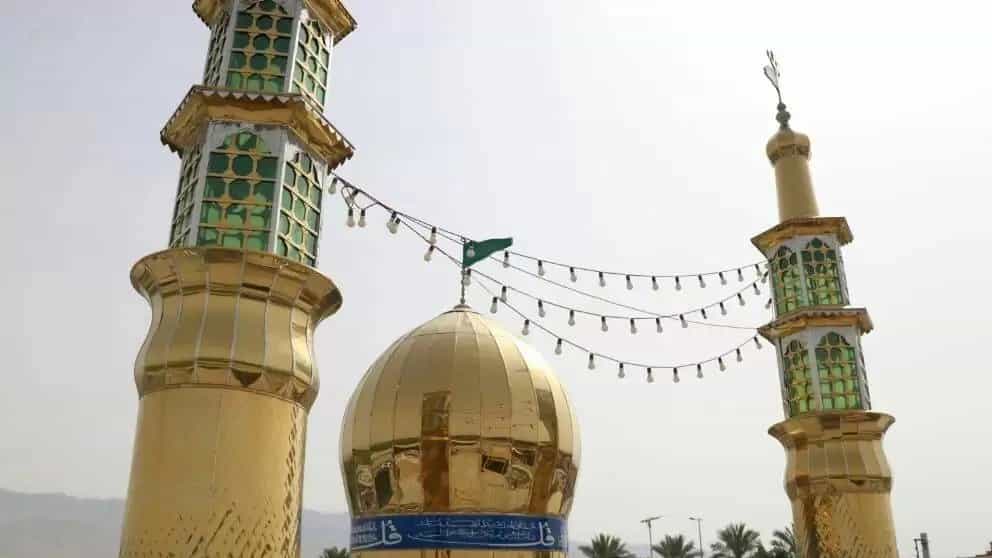

Islamic art and architecture has always been a manifestation of the love and devotion of artists to the sacred space of the Ahl al-Bayt and religious elders. Among all the components of religious architecture, the shrine has a special place as the most focal point of pilgrimage. Iran's specialized shrine making is not only an industry, but also an art that is rooted in the history, culture and beliefs of the people of this land. Today, prestigious collections such as Asadi Ahmadi Angali's Goldaste dome and mausoleum, using modern knowledge and traditional art, are the flagships of this field in the design, construction and installation of mausoleums for shrines and Imamzades all over the country and even outside the borders. In this article, we are going to examine in detail the stages of construction of the shrine, the importance of basic design and the key role of specialist collections in this field.
The history and importance of the art of making shrines in Islamic culture
When it comes to shrine building, our mind unconsciously goes towards religious cities and blessed places. Zareeh literally means a chamber or protection that is placed on the graves of religious elders. But in Shiite culture, the shrine is not only a protection; Rather, it is a window for the connection between the pilgrim's heart and the chanter. The art of making a shrine in Iran is several hundred years old, and the peak of its prosperity can be seen in the Safavid and Qajar periods. Iranian artists have created structures that dazzle the eyes of every viewer by combining various arts, such as calligraphy, enameling, inlaying, gilding, and carpentry.
Nowadays, Iranian specialized shrine making is known as a global brand. Elegance in the design of Slimi and Khatai motifs, precision in the selection of alloys and precise engineering of the structure are the features that distinguish the shrines made by Iranian masters from others. In the meantime, the Asadi Ahmadi Angali dome and shrine collection, with a deep understanding of this precious heritage, has tried to create lasting works by combining tradition and modernity, worthy of the royal court of Imamzadegan.
Implementation steps in specialized shrine building
The process of making a shrine is a long, complex and very precise process that requires the cooperation of a team of skilled engineers, artists and craftsmen. A shrine construction project can take months or even years from the moment of ordering to the final installation. In Esadi Ahmadi Angali collection, these steps are carried out with strict supervision and quality control at the highest level.
1. Shrine design; The first brick of spiritual architecture
The first and most important step in Iranian specialized shrine construction is design. shrine design should be done based on the exact dimensions of the shrine, the internal architecture of the building and the budget of the founders. At this stage, using engineering software as well as manual drawing, the designers specify the general map of the structure, the dimensions of the windows, the location of the inscriptions and the Taj Zareeh.
In designing a tomb, it is very important to pay attention to the verses of the Quran, hadiths and poems that fit the personality of the owner of the tomb. The calligraphies of Tholt and Nastaliq, which are engraved on silver and gold bodies, must be placed carefully in the design stage. The design team in the Asadi Ahmadi Angali Dome and Shrine collection, with complete mastery of the principles of Islamic geometry, presents designs that, in addition to strength, have extraordinary visual and spiritual beauty.
2. Construction of wooden structure and skeletonization
After the final approval of the design, it is time to build the skeleton of the shrine. Since the metal body and heavy gold and silver decorations must be mounted on a solid base, the construction of the wooden structure is of great importance. Teak wood is usually used in the construction of the shrine. Due to its high density, resistance to moisture and vermin (such as termites) and long lifespan (several centuries), teak wood is the best option for skeletonizing the shrine. Skilled carpenters in the shrine workshops connect the wooden parts with tongue and crotch joints without using ordinary steel nails (which rust over time) to form the main body of the shrine.
3. Goldsmithing, engraving and plating
Perhaps it can be said that the most difficult and artistic part of the work is the stage of goldsmithing and engraving. In this stage of Iran's specialized shrine making, silver, copper and gold sheets are formed by the masters of calligraphy.
- Kalamzni: Slime designs, flowers and chickens and geometric motifs are engraved on metal sheets using hammers and steel pens. The embossing on the shrine should be in such a way that, while beautiful, it does not harm the hands of the pilgrims and is not sharp and cutting.
- Rolling and bending: Parts such as spheres and masurahs (mesh windows of the shrine) should be made with millimeter precision. In the Asadi Ahmadi Angali Garland Dome and Shrine, the spheres and coils are made using the best alloys so that they do not wear out or change color due to the frequent contact of the hands of pilgrims. The thickness of the gold plating has a direct effect on the final price and durability of the shrine's brilliance.
4. Enamel and calligraphy
The azure and turquoise colors that stand out among the gold and silver shine of the shrine are the art of enameling. Qur'anic inscriptions and the names of the imams of Athar are usually executed on copper with the art of enameling and installed in the upper parts of the shrine. The construction and installation of the shrine is incomplete without linear inscriptions; Because these inscriptions carry the spiritual message of pilgrimage.
The importance of installing the shrine by professionals
After finishing the construction process in the workshop, the parts of the shrine must be disassembled (opened), packed and transported to the shrine. Installation of the shrine is one of the most sensitive stages of the work. The smallest error in leveling the wooden base or incorrect installation of the painted parts can cause damage to the structure or asymmetry in the final appearance.
The executive team of the Asadi Ahmadi Angali Shrine and Garland Dome, with years of experience in this field, carry out the process of installing the shrine with engineering precision. This process includes the foundation of the floor, the installation of the iron chassis (if needed), the mounting of the wooden coil, and finally the installation of the silver and gold parts and the internal lighting system of the shrine. Correct installation guarantees the long life of the shrine and its stability against the pressures of the pilgrim population.
Why Asadi Ahmadi Engali's Gonbad Dome and Shrine Complex?
In Iran's specialized shrine building market, choosing a committed and expert contractor is the main concern of the Board of Trustees of Imamzadegan and Benefactors. There are several reasons that make Assadi Ahmadi Angali collection a safe choice:
- A brilliant track record: Having a strong resume in making shrines for various blessed places, shows the trust of customers and the quality of the work output.
- Guaranteeing the quality of raw materials: The use of standard-grade gold, high-quality silver, and first-class teak wood is the red line of this collection. In religious projects, honesty in the material is the first word.
- Special design: Every religious place has its own architecture. Instead of using repetitive designs, this collection makes shrine design according to the space and needs of the client.
- Financial transparency: Providing accurate pre-invoice and specifying the costs related to each section (gold, silver, penmanship fee, structure construction), makes donors spend their capital in this way with ease.
- Services after sales and maintenance: Shrines need to be polished, repaired or replaced over time. Esdi Ahmadi Angali collection is committed to be with the care of the shrines even after the installation of the shrine.
Types of shrine building styles in Iran
In Iranian specialized shrine making, there are different styles, each of which has a unique beauty. Knowing these styles will help the trustees to make a better choice:
- Esfahani style: This style is the most famous style of shrine construction in which the use of meandering Slimi and Khatai motifs, Shah Abbasi flowers and very fine and elaborate penmanship can be seen. Most of the big shrines in Iran and Iraq follow this style.
- Modern and integrated style: In recent years, some designers, while maintaining traditional principles, use more geometric and simple designs that give a different effect to the shrine.
- Wooden and mesh shrines: For some old shrines or special spaces, instead of using metals Precious, all-wood shrines are used with the art of knotting and carving, which has a traditional and warm atmosphere. Asadi Ahmadi Angali's Goldaste Dome and Shrine Collection has the ability to perform all these styles with the highest quality.
Factors affecting the price of construction of the shrine
One of the frequent questions of donors and the board of trustees is the cost of building and installing the shrine. The final price depends on many factors and it is not possible to set a fixed price for it. But the most important factors are:
- Dimensions of the shrine: Of course, the greater the length, width and height of the shrine, the amount of raw materials and construction time will increase.
- Weight of gold and silver: A major part of the cost of making the shrine is related to precious metals. The daily price of gold and silver directly affects the project budget. Of course, the costs can be managed by changing the thickness of the sheets or the amount of plating.
- Type of engraving: Embossed and three-dimensional engravings done by top-level masters have a higher salary than simpler designs. The elegance of penmanship determines the artistic value of the shrine.
- The material of the internal structure: The use of imported teak wood is more expensive than ordinary wood, but it guarantees the durability of the shrine for a hundred years.
- Installation and transportation costs: The distance from the workshop to the installation site and the technical complexities at the project site are also part of the costs.
Esdi Ahmadi Engali's Goldaste dome and shrine construction experts are ready to hold consultation meetings and suggest the best options according to the budget of the respected founders, so that the sacred construction of the shrine can be done with the best quality and cost management.
The role of the shrine in attracting pilgrims and religious tourism
The visual beauty and spiritual grandeur of a shrine has a direct effect on the inner space of the shrine and the attraction of pilgrims. When the pilgrim enters the shrine, the first thing that catches his eye and draws him to him is the shrine. A luxurious and artistic shrine not only respects the owner of the tomb, but also promotes religious tourism in the region. Many imamzadegans in remote villages have seen a significant increase in pilgrims after the reconstruction and installation of new and beautiful shrines. This shows the importance of investing in Iran's specialized shrine building.
Technical tips in maintaining the shrine after installation
After the construction and installation of the shrine is finished, it is time to maintain it. The custodians of the shrine must observe some points in order to preserve the shine and luster of the shrine:
- Basic cleaning: Using acidic detergents or rough towels can damage the gold and silver plating layer. Soft cotton cloths and special polishing materials recommended by the manufacturer should be used.
- Moisture control: Although teak wood is durable, excessive humidity in the environment can cause silver to oxidize more quickly over time. Proper ventilation of the shrine is essential.
- Prevention of scratches: Collision of sharp objects or pilgrims' rings with the body of the shrine is inevitable, but the high quality of painting and the final coating in the Asadi Ahmadi Angali Shrine construction greatly increases the resistance of the structure against these wears.
dome and garland; Complementing the beauty of the shrine
In addition to the shrine building, the exterior of the shrine, i.e. the dome and garlands, are also of great importance. Usually, the reconstruction projects of blessed places are defined comprehensively. The harmony of the artistic style of the dome and garland with the inner shrine creates a spiritual harmony. Asdi Ahmadi Angali dome and shrine collection, as its name suggests, has a special expertise in making metal domes and garlands (gold, steel, copper designs) and tiling. Entrusting 0 to 100 projects (from the dome to the shrine) to a single contractor leads to greater coordination in design, cost reduction, and speed in project implementation.
last word
The art of Iranian specialized shrine making is a mixture of love, art and craft that has remained for centuries as a symbol of Iranians' devotion to the family of innocence and purity. These sacred structures are a legacy for future generations and should be built with the best quality and the most original art. If you are a member of the board of trustees of Imamzadegan, the founders of Khair, or the people responsible for the reconstruction of Atbat, choosing a reliable construction group is your most important decision.
Esdi Ahmadi Engali Dome and Shrine Building Collection, relying on years of experience, using prominent pen and woodworking masters, and commitment to engineering and ethical principles, is ready to accompany you in the construction, design and installation of shrines and imamzadegan shrines. We do not sacrifice quality for cost, because we believe that these works will last for centuries and will be a testament to the efforts of their founders. You can contact our experts for free advice on shrine design, cost estimation, and examples of executed works and take a big step towards improving the religious architecture of your region.
Making a shrine is not just the construction of an enclosure; Creating a piece of heaven on earth. Let's build this piece of paradise with the most beautiful art and the best quality.