With the increase in the consumption of all kinds of polymer pipes in the construction, agriculture and utility industries, the amount of plastic waste has also grown significantly. Pipe recycled granule as an economical and environmentally friendly solution, plays an important role in the cycle of recycling and reproducing polymer materials.
In this article, we will comprehensively examine recycled pipe granules, types, applications, advantages, production process and factors affecting its price.
What is recycled pipe granule?
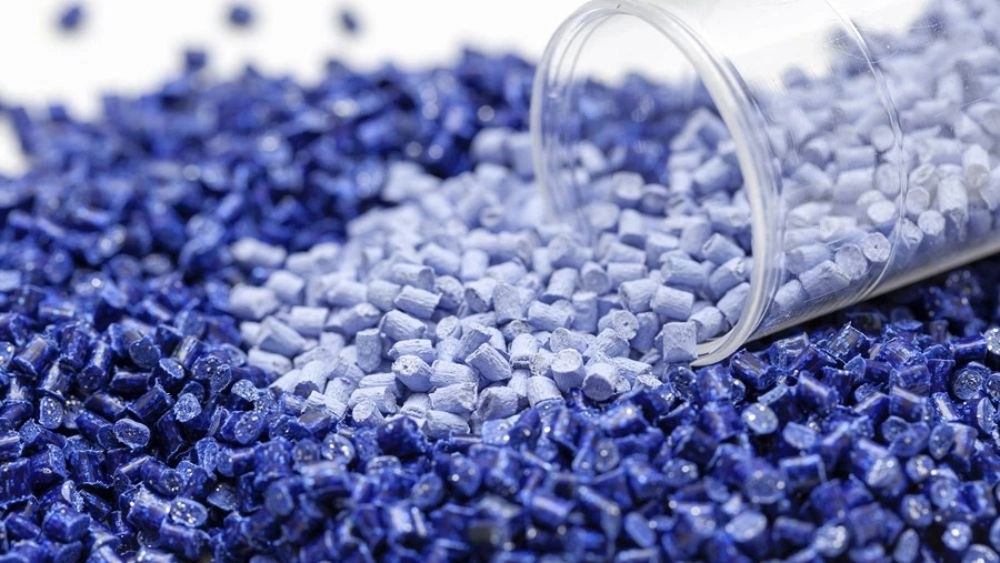
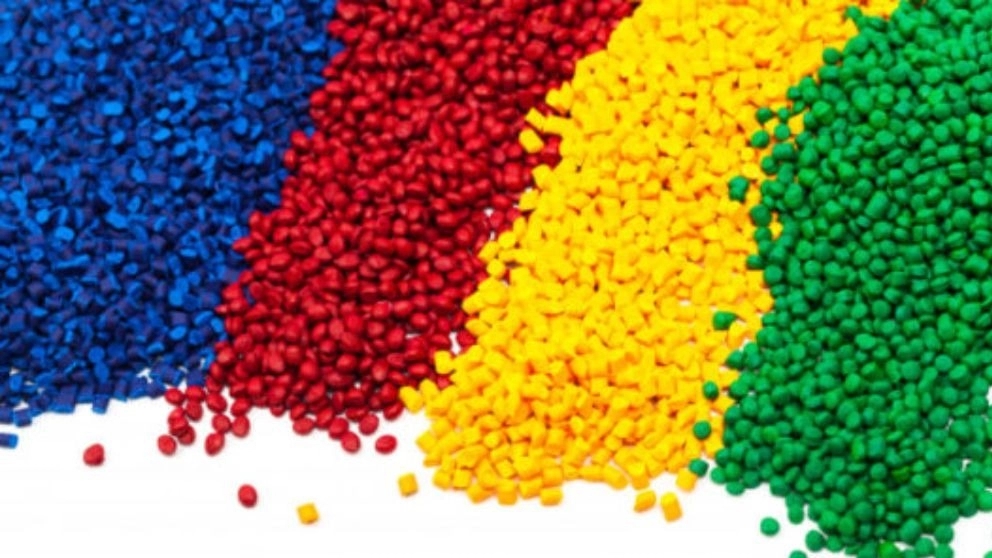
Recycled pipe granule is a polymer material that is produced from the recycling of waste plastic pipes such as polyethylene and polypropylene and is in the form of small grains (granules). These granules are again used as a raw material in the production of various plastic products.
Raw materials recycled pipe granules
The raw materials used in the production of pipe recycled granules usually include the following:
- HDPE and LDPE polyethylene pipe waste
- Agricultural used pipes
- Water supply polyethylene pipes
- PP polypropylene pipe waste
- Industrial and sewage pipes
- The quality of the final granule is directly related to the type of pipe, the level of pollution and the way of washing and processing.
The process of producing recycled pipe granules
Production of pipe recycled granules includes several main steps:
1. Collection and segregation of waste
At this stage, pipe wastes are separated based on the type of polymer, color and degree of contamination.
2. Grinding (grinding)
The pipes are turned into smaller pieces by the grinding machine.
3. Washing and drying
It is done to remove dirt, oil, fat and surface contamination.
4. Melting and extruder
The crushed materials are melted in the extruder machine and come out in the form of strings.
5. Granulation
The molten strands are cut and turned into granule grains.
Types of recycled pipe granules
Recycled polyethylene HDPE granule
- The most widely used type
- High mechanical resistance
- Suitable for the production of pipes, fittings and tanks
Recycled polypropylene PP granule
- Light weight
- Suitable chemical resistance
- Application in injection and industrial parts
Grade 1 and grade 2 recycled granules
Applications of recycled pipe granules
Recycled pipe granules are used in various industries, including:
- Manufacturing non-pressure polyethylene pipes
- Manufacturing plastic fittings
- Manufacturing buckets, boxes and industrial parts
- Manufacturing plastic tanks and barrels
- Injection molding industries
- Civil and construction parts
Advantages of using recycled pipe granules
Using recycled pipe granules has several advantages:
✅ Reduce production cost
Help to preserve the environment
✅ Industrial waste recycling
✅ saving on consumption of new materials
✅ Easy access and wide market
✅ Suitable for mass production
✅ increasing the quality and quantity of the final product
Possible disadvantages of recycled granules
Besides the advantages, there are also limited disadvantages:
❌ Slight reduction of mechanical properties compared to new materials
❌ High sensitivity to the quality of raw materials
❌ The need to control the production process carefully
- By choosing a reliable manufacturer and proper quality control, these disadvantages will be minimized.
Factors affecting the price of recycled pipe granules
The price of recycled pipe granules is determined by the following factors:
- Polymer type (HDPE, PP, etc.)
- Quality grade (grade one or two)
- Granule color
- The degree of purity and odor of the material
- Fluctuation of the polymer market
- Order volume
Important points in buying recycled pipe granules
For a safe purchase, pay attention to the following points:
Summary
Recycled pipe granules are a smart choice for manufacturers looking to cut costs and protect the environment. By correctly knowing the types, applications and production process, it is possible to choose the best granule according to industrial needs and increase production efficiency significantly.