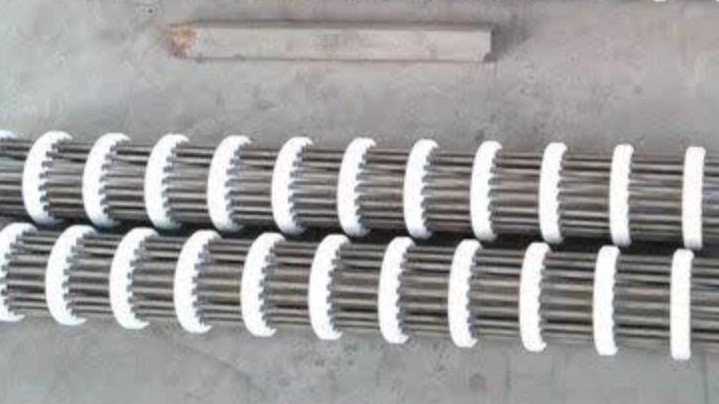
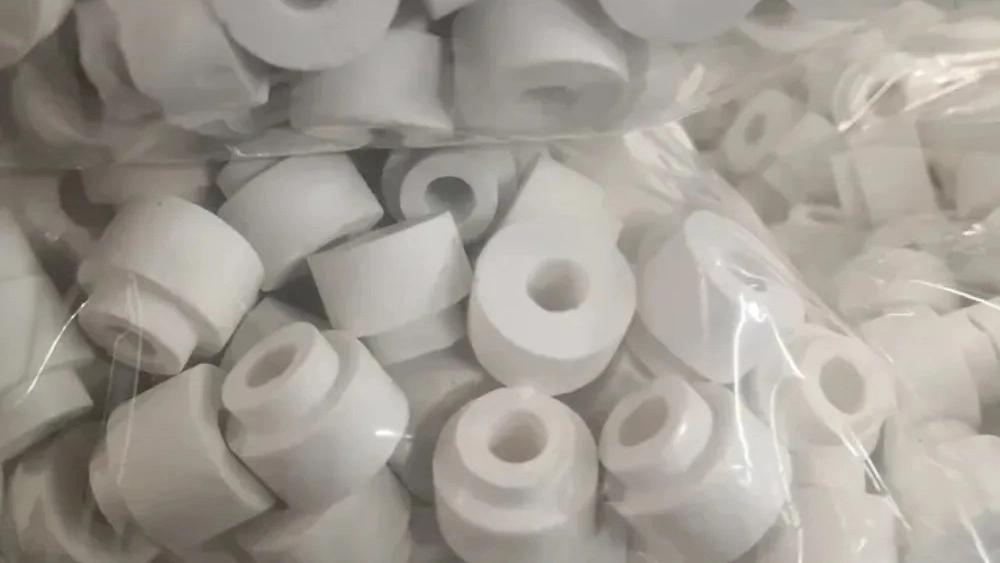
Furnace elements are generally divided into two main categories:
- Element of melting furnaces
- Element of heat treatment furnaces
Choosing the type of element depends entirely on working temperature, type of process and furnace conditions.
1. Element of melting furnaces
Smelting furnace elements are usually used for metals with a melting temperature lower than 1400 degrees Celsius.
The reason for this limitation is the heat bearing capacity of the wire element alloy, which is generally made of a combination of chromium and nickel.
Currently, the strongest element wires available in the world market under the brand names A1 and APM are produced by the reputable Swedish company Kanthal. These wires:
- They have a maximum temperature tolerance of about 1300 to 1400 degrees Celsius
- At higher temperatures, they undergo a molecular density reduction
- and enter the so-called sintering or structural melting process
For this reason, the use of these types of wires is not recommended for furnaces with temperatures higher than this range.
Centigrad is proud to serve the country's thermal industry by supplying class A element wires from the Kanthal brand and provides the needs of electric melting furnaces with the highest possible quality.
2. Element of heat treatment furnaces
Heat treatment furnaces have a wider range in terms of application and variety compared to melting furnaces.
In these furnaces, element wire type according to:
- Type of process
- Maximum required temperature
- Working voltage
- Internal space of furnace
is selected and designed.
Types of wires used in heat treatment furnaces
Element wires that can be used in these furnaces include the following:
- A1
- APM
- D
- Family AL-CR-O (aluminum-chromium-oxygen)
- Nicrotals:
- 80/20
- 70/30
- 40/60
- AF range
- RESISTOHM 30/20
All these wires are specially selected, designed and produced based on working conditions and customer requests.
Practical example
For example, in ceramic firing furnaces which require a temperature of about 1100 to 1200 degrees Celsius, the following wires can be used:
- D
- A1
- Nicrotal 80/20
The final selection of each of these wires depends on the supply voltage and the internal dimensions of the oven.
Lower temperature furnaces
The mentioned wires can also be used in furnaces with a working temperature of less than 1000 degrees Celsius, in which case:
- The lifespan of the element increases
- The thermal efficiency of the furnace improves
However, due to the higher price of these wires, it is economically recommended to use AL-CR-O family wires for this temperature range, which have a good balance between price, lifetime and thermal performance.
summary
Correct choice of furnace element direct role in:
- Safety
- Thermal efficiency
- Furnace life span
- and reduction of maintenance costs
has.
Centigrade with technical knowledge, industrial experience and access to standard and high-quality global wires, is ready to consult, design and produce various elements of melting furnaces and heat treatment according to the needs of different industries.