Purchasing hardware is one of the most important and costly steps in any construction and industrial project. The quality of steel sections is directly related to the safety of human lives and the durability of the structure. Unfortunately, in recent years, the entry of non-standard, counterfeit and workshop steel sections into the market has increased. These products, which are often offered at attractive prices but of extremely low quality, can cause irreparable damage.
To avoid these problems, it is necessary to know the methods of differentiating genuine products from fake samples. In this comprehensive article, we provide a complete checklist for identifying standard irons so that you can make your purchase with complete confidence. At the end, we will introduce a reliable solution for the preparation of these products.
The importance of using standard iron in construction projects
Using high-quality and standard steel sections is the foundation of any safe structure. Structural steel is responsible for bearing the tensile and compressive loads of the building. When non-standard products are used, the structure becomes highly vulnerable to natural disasters such as earthquakes and landslides.
Standard iron tools are produced according to precise alloy formulation and under the supervision of national and international standard organizations. On the other hand, counterfeit sections are usually made from low-quality iron scraps and without meeting the melting and rolling standards. This issue causes a sharp decrease in their tensile and bending resistance. In order to have a stable structure, the first step is to buy standard hardware from reliable and well-known authorities.
Examining signs and engravings on the body of standard irons
One of the simplest and at the same time the most reliable ways to confirm the authenticity of steel sections is to check the abbreviations engraved on their bodies. Reputable factories producing steel in Iran and the world engrave their brand name or characteristic mark along with technical specifications on the product.
- Rebars: On the body of standard rebars (especially ribbed rebars), the abbreviation of the manufacturer along with the type of production method (such as Termax) and the size of the rebar are embossed. For example, there are specific marks for large factories such as Isfahan Iron Smelter, Kashan Desert Steel and Khorasan Steel, which guarantees the authenticity of the product.
- Girders: In standard girders, the manufacturer's abbreviation is embossed on the wing or girder at certain intervals.
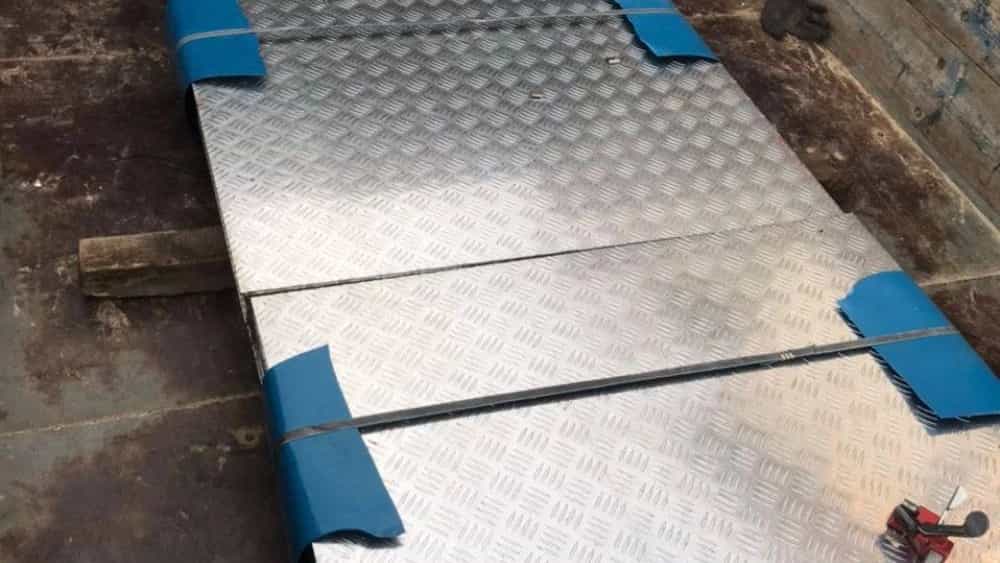
- Steel sheets and pipes: These products They usually have technical information printed on their body, including thickness, dimensions, melting number and factory name.
If a product does not have any prominent engraved marks or its marks look illegible and uneven, it is highly likely that it is fake or factory made. In this situation, buying standard hardware from official dealers such as Ahan Ahan store is the best way to avoid this trap.
Measuring weight and comparing it with the Stahl table
One of the most specialized parts of the quality check list is matching the weight of the steel section with international standards. The Stahl table is the reference standard for the geometric weight of steel sections around the world.
Cheating manufacturers produce steel sections with less thickness or with lower density to make more profit. This makes the final weight of the product much lower than the standard weight of the Stahl table.
To use this method:
- First, measure the weight of a branch or one meter of the desired steel section with accurate scales.
- Compare the obtained weight with the weight specified in the Stahl table.
- A slight weight loss of a few percent is normal based on the allowed tolerance of the national standard.
Always remember that buying standard heavy-duty steel in accordance with national standards will ensure the safety of your structure in the long run.
Evaluation of color and appearance of steel sections
The appearance and color of iron can give us a lot of information about the quality of construction and their maintenance conditions. Standard steel products have a uniform appearance, without cracks, without scales and without illegal curvature.
- Color of new steel: Newly produced iron should be dark gray or bluish-black in color (due to the protective oxide layer from hot rolling).
- Severe rust: The presence of deep rust and scaling of iron indicates improper storage in wet warehouses. This corrosion reduces the useful thickness of the steel section and weakens its connection with concrete or other components. Of course, surface and yellow rust, which is easily removed by hand, usually does not cause a problem, but dark and deep rusts are a serious alarm.
- Distortion and curvature: A beam, can or tube that has longitudinal curvature or deformation in the corners, has not gone through the rolling process properly and is non-standard.
Checking the license plate and birth certificate attached to the shipment of iron ore
Each shipment leaving accredited factories has a technical ID or a sturdy metal/plastic plate attached to the shipment's straps or straps. This birth certificate contains vital product information that the buyer should check. The information in these plates are:
- Manufacturing factory name and its official logo
- Smelting number and bandil number for quality tracking
- Production standard type (such as Iranian national standard or DIN and ASTM international standards)
- Steel size, grade and length
- Production date and quality control (QC) stamp
It is very important to match the information of this license plate with the balance sheet and the purchase invoice. Counterfeit products do not have standard license plates or their license plates are written manually without stamps and valid information. With the purchase of standard hardware from reliable collections, the product's official identification card will be delivered to you.
Conducting simple workshop tests to determine quality
In addition to visual and visual inspections, you can perform some simple workshop tests for the initial assessment of steel quality:
- Impact and Sound Test: Striking a standard iron with a metal object produces a clear, continuous ringing sound. If the output sound is muffled, booming and interrupted, it indicates the presence of internal cracks, air bubbles or severe impurity in the steel alloy structure.
- Bending test (for rebar): Standard rebar should have proper flexibility. If the rebar suddenly cracks or breaks during cold bending at standard angles, it is made of non-standard dry steel and is not suitable for use in concrete structures.
These methods help you to quickly measure the initial quality of the cargo at the place of unloading.
Detailed metallurgical and laboratory tests
For large construction and industrial projects, visual and workshop inspections are not enough. In these projects, samples of the sections should be sent to accredited metallurgical laboratories so that detailed tests can be performed on them:
- Tensile test: This test measures the yield strength and ultimate tensile strength of the steel to determine how the steel behaves under pressure.
- Chemical analysis (quantometry): The exact percentage of steel constituent elements such as carbon, manganese, phosphorus and sulfur is determined in this test. The high percentage of sulfur and phosphorus causes brittleness of steel, which is very common in forged iron due to the use of low-quality waste.
The results of these tests must be fully consistent with the standards included in the product's technical certificate.
Financial and life risks of buying counterfeit iron
Buying cheap and fake steel sections may reduce project costs at first, but the later consequences will be very heavy. The reduction of the structure's resistance to earthquakes, the early destruction of concrete due to the lack of proper adhesion with non-standard rebars, the deformation of the beams under the load of the roof and the exorbitant costs of reconstruction and retrofitting are only part of the financial losses of buying non-standard iron bars. On the other hand, the collapse of a building due to the use of poor-quality materials can result in a great tragedy that is irreparable.
So, prevention is always better than cure. By using the mentioned checklist and cooperating with experienced suppliers, ensure the security of capital and human life.
A guide to buying standard irons without intermediaries
The best and surest way to avoid the trap of dealers and sellers of fake products is to buy directly from reliable and long-established businesses. Reputable suppliers always provide buyers with documents of product authenticity, official invoices, and accurate balance sheets.
Ahan Ahan store, as one of the reliable and active sources in the country's hardware market, supplies all its products directly from the country's leading factories. By choosing this collection, you can prepare all kinds of standard steel sections with ease and benefit from the quality, originality and real prices of the market. Our experts are ready to help you in all stages of selection and purchase. For a safe and professional shopping experience, contact the experts of Ahan Ahan store now and place your order.